

Selecting the right vertical baggers for global sourcing requires more than comparing catalog prices. These machines must match the product, film structure, production speed, and operating environment. A bagger that performs well in a dry-food plant may struggle with powder, dust, oil, or irregular pieces. The details matter. A weak sealing jaw, unstable film tracking, or difficult cleaning process can quickly increase operating costs.
Experienced buyers usually begin with measurable requirements. Define target weights, bag dimensions, filling accuracy, cycle rates, and available floor space. Then review the machine’s forming collar, dosing system, sealing method, control interface, and changeover time. Ask suppliers for test videos using your actual product. Better still, send representative samples for a controlled factory trial. Test results are more useful than polished brochures. They also expose problems that sales conversations often miss.
Global sourcing adds another layer of responsibility. Evaluate the manufacturer’s quality system, traceability, spare-parts support, training, and after-sales response. Confirm electrical specifications, documentation, packaging standards, and applicable market requirements with qualified professionals. Do not assume one certificate covers every destination. It may not. A supplier should explain maintenance intervals clearly and provide practical drawings, manuals, and replacement-part lists. Factory audits, reference checks, and independent inspections can reduce avoidable risk. Still, no purchasing process is perfect. Forecasts change, operators make mistakes, and a technically sound machine may disappoint in daily production. The best decision balances verified performance, total ownership cost, supplier reliability, and room for future improvements.
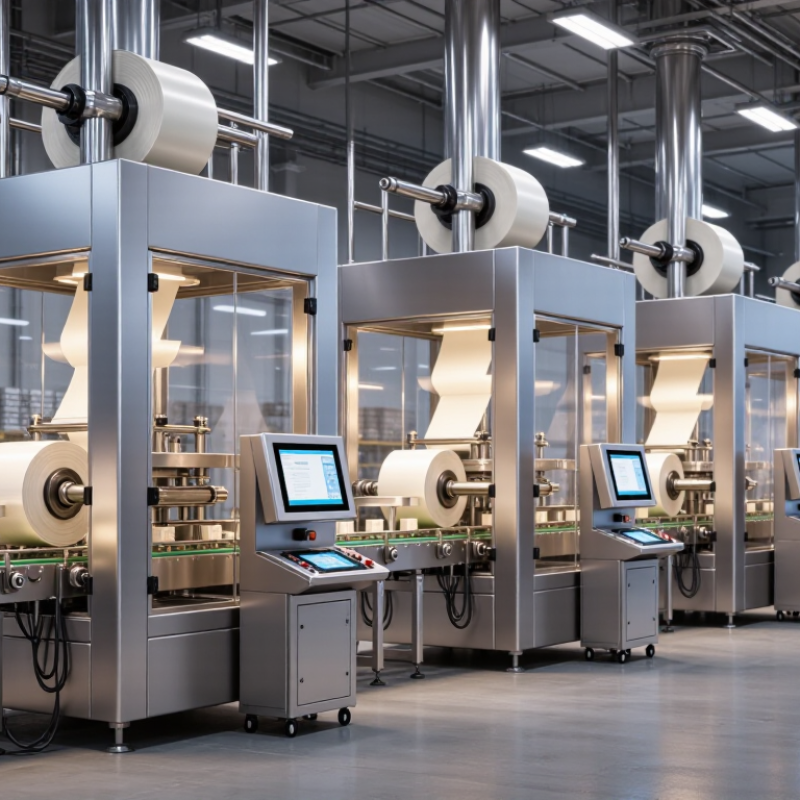
How to Choose the Best Vertical Baggers for Global Sourcing?
Vertical baggers form bags from rollstock, fill products, and seal packages in one compact line. Their types suit different packaging applications. Intermittent-motion VFFS machines fit powders, snacks, grains, and frozen foods with moderate output. Continuous-motion models support higher speeds and stable product flow. Auger fillers handle flour or spices. Multihead weighers suit irregular snacks, while liquid pumps serve sauces and detergents.
Smithers’ The Future of Flexible Packaging to 2028 forecasts the global flexible packaging market will approach US$300.5 billion by 2028. That growth increases pressure on suppliers to deliver accurate, flexible equipment. However, speed alone misleads. A bagger rated at 100 bags per minute may slow sharply with dusty powder, weak film, or frequent size changes. Test the actual product and film before purchase.
In global sourcing, inspect seal temperature control, film compatibility, electrical standards, cleaning access, and spare-part availability. Food applications need hygienic frames and controlled contact surfaces. Recyclable films may require different sealing jaws and tighter temperature control. PMMI packaging reports continue to identify labor efficiency and automation as major investment drivers in packaging operations. Yet automation is not always the best answer. A simpler intermittent machine can be more reliable for seasonal products, especially where local technical support is limited. Request factory acceptance tests, energy data, changeover videos, and documented maintenance records. Small details matter.
| Vertical Bagger Type | Typical Operating Principle | Common Bag Styles | Suitable Products | Typical Speed Range* | Key Packaging Applications | Main Advantages | Important Limitations | Best Sourcing Considerations |
|---|---|---|---|---|---|---|---|---|
| Intermittent-Motion VFFS Bagger | The film stops during forming, filling, sealing, and cutting cycles. | Pillow, gusseted, block-bottom, and occasional quad-seal bags. | Powders, granules, snacks, frozen foods, pet food, and non-food products. | Approximately 20–70 bags/minute | General-purpose food, agricultural, chemical, and household product packaging. | Flexible format options, relatively simple operation, and good suitability for changing pack sizes. | Lower output than continuous-motion systems; stopping cycles can reduce efficiency at high speeds. | Confirm film width range, sealing temperature control, changeover time, and access to spare forming tubes and sealing parts. |
| Continuous-Motion VFFS Bagger | The film moves continuously while longitudinal and transverse sealing operations are synchronized. | Pillow, gusseted, and high-speed laminated film bags. | Free-flowing snacks, confectionery, dry foods, and other products with consistent dosing behavior. | Approximately 50–150 bags/minute | High-volume retail packaging where consistent output and reduced cycle interruption are priorities. | Higher production capacity, smooth film handling, and improved efficiency for long production runs. | Usually more complex and costly; less suitable for products that are difficult to dose or that require frequent size changes. | Evaluate synchronization accuracy, servo performance, sealing-jaw design, operator training, and local technical support. |
| Multi-Lane Sachet Bagger | Several narrow film lanes are formed, filled, sealed, and cut in parallel. | Three-side-seal and four-side-seal sachets. | Powders, liquids, sauces, creams, granules, and single-use portions. | Approximately 100–600 sachets/minute | Condiments, pharmaceutical samples, cosmetic sachets, instant beverage portions, and promotional packs. | Very high unit output and efficient use of floor space for small packages. | More difficult cleaning and lane balancing; a fault in one lane may affect overall production. | Check the number of lanes, filling accuracy, liquid or powder cleaning procedures, tear-notch quality, and spare-part availability. |
| Stick-Pack Bagger | Narrow film webs are formed into elongated packs and sealed longitudinally and transversely. | Three-side-seal or four-side-seal stick packs. | Sugar, salt, coffee, powders, granules, gels, and liquid supplements. | Approximately 30–300 sticks/minute | Single-serve food, beverage, nutraceutical, pharmaceutical, and personal-care packaging. | Portable format, controlled portioning, low material use per unit, and convenient dispensing. | Limited package width and more demanding film tracking and dosing requirements. | Specify stick dimensions, lane count, tear-notch or easy-open requirements, product flow behavior, and allowable weight tolerance. |
| Auger-Filler VFFS System | A rotating screw meters powder into a formed bag before sealing. | Pillow, gusseted, block-bottom, and sachet-style bags. | Flour, spices, milk powder, coffee, chemical powders, and other dry powders. | Approximately 15–80 bags/minute | Retail powder packaging and applications requiring controlled volumetric or weight-based screw dosing. | Good control for many powders and adaptable dosing through screw and speed adjustments. | Dust generation, powder bridging, and product compression can affect accuracy and cleaning time. | Request product trials, dust-control provisions, auger size options, contact-material certificates, and tool-free cleaning features. |
| Multihead-Weigher VFFS System | Multiple weighing heads calculate a target combination and discharge the selected product into the bag. | Pillow, gusseted, quad-seal, and stand-up pouch formats. | Chips, nuts, candy, frozen foods, fresh-cut produce, and irregular free-flowing pieces. | Approximately 30–120 bags/minute | High-accuracy retail packs where product shape and weight vary between pieces. | Fast combination weighing, strong accuracy potential, and suitability for mixed or irregular products. | Higher equipment cost, greater height, and possible product damage for fragile items. | Confirm weigh-head quantity, contact-surface material, product-drop height, washdown requirements, software language, and electrical compatibility. |
| Volumetric-Cup VFFS System | Adjustable cups measure a defined volume before releasing the product into the bag. | Pillow and gusseted bags. | Uniform granules, rice, pulses, seeds, hardware, and other consistent free-flowing products. | Approximately 20–100 bags/minute | Cost-sensitive packaging of products with relatively stable bulk density and particle size. | Simple dosing concept, comparatively low operating complexity, and easy adjustment for several volumes. | Weight accuracy changes when bulk density, moisture, particle size, or product distribution varies. | Test the actual product, define acceptable weight variation, verify cup adjustment range, and confirm calibration procedures. |
| Net-Weigh VFFS System | A weighing hopper reaches the target weight before discharging the batch into the bag. | Large pillow, gusseted, block-bottom, and bulk bags. | Rice, grains, pellets, pet food, fertilizer, animal feed, and other bulk products. | Approximately 10–50 bags/minute | Medium- to large-format packaging where weight control is more important than maximum speed. | Good target-weight control and suitability for heavier products and larger bag sizes. | Batch weighing may reduce output; product flow and settling can influence cycle time. | Check maximum load, weighing resolution, dust protection, bag support, discharge height, and integration with conveyors or palletizing equipment. |
| Liquid or Paste VFFS System | A pump or piston filler doses liquid or viscous material into a formed bag before heat sealing. | Three-side-seal, four-side-seal, pillow, and spouted pouch formats when compatible. | Sauces, detergents, lotions, edible oils, gels, and liquid concentrates. | Approximately 20–100 bags/minute | Single-use portions, refill packs, sample packs, and flexible liquid packaging. | Efficient use of flexible film, adjustable filling volume, and compatibility with a broad viscosity range when properly configured. | Product dripping, seal contamination, sanitation requirements, and viscosity changes can affect package quality. | Confirm pump type, hygienic design, clean-in-place needs, anti-drip functions, film compatibility, and validation of seal integrity. |
| High-Barrier or Gas-Flushing VFFS System | The bag is formed and filled while air is displaced or modified gas is introduced before sealing. | Pillow, gusseted, quad-seal, and other hermetically sealed flexible bags. | Coffee, snacks, nuts, bakery products, and oxidation-sensitive dry foods. | Approximately 20–100 bags/minute | Applications requiring extended shelf life, aroma retention, or reduced oxidation. | Can reduce residual oxygen and support improved product protection when the film and sealing process are correctly selected. | Requires gas supply, monitoring, compatible barrier film, and careful control of leaks and seal contamination. | Specify gas type, target residual oxygen, film barrier properties, leak-testing method, gas consumption, and local cylinder or generator availability. |
*Speed ranges are indicative industry ranges for standard applications. Actual output depends on product characteristics, target fill weight, bag dimensions, film properties, sealing method, dosing system, and required quality controls.