10 Vertical Packaging Tips for Global Buyers?

Global buyers rarely purchase a machine alone. They purchase uptime, consistency, compliance, and measurable value. Vertical packaging systems must perform across different products, films, climates, and production skills. A coffee pouch may face humidity in Southeast Asia, while frozen vegetables demand reliable seals at low temperatures. Small design choices can create large operational consequences.

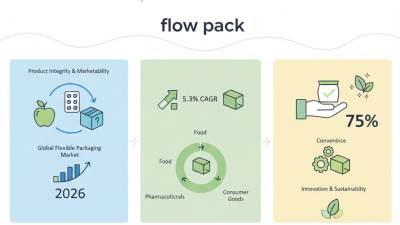
Industry data supports this practical concern. The OECD’s Global Plastics Outlook reports that global plastic waste reached 353 million tonnes in 2019, while only 9% was recycled. This pressure is changing expectations for films, material reduction, recyclability, and responsible sourcing. UNEP’s Turning off the Tap report states that plastic pollution could be reduced by 80% by 2040 through reuse, recycling, and redesign. These targets affect packaging specifications, not only sustainability reports. Smithers’ flexible packaging research also identifies continued market growth, driven by convenience, portion control, and lightweight formats. Forecasts differ, however, because regional demand and material regulations remain difficult to predict.

The following 10 vertical packaging tips focus on decisions buyers can test before signing a purchase order. They address machine flexibility, sealing performance, film compatibility, dosing accuracy, sanitation, automation, service support, and total cost. Factory trials matter more than attractive brochures. Request sample runs using your actual product and film. Measure waste, changeover time, seal strength, and operator workload. Some recommendations may require more investment than expected. That is uncomfortable, but ignoring them can produce expensive downtime later. A reliable packaging strategy should survive real shifts, not only demonstrations.
10 Vertical Packaging Tips for Global Buyers?

Understanding Vertical Packaging and Its Global Applications

Vertical packaging uses a vertical form-fill-seal process to create, fill, and seal bags from a continuous film roll. It serves food, pet nutrition, household products, and regulated healthcare applications. Smithers projects the global flexible packaging market will exceed US$300 billion by 2028. That growth reflects demand for lighter packs, efficient shipping, and convenient portion sizes.

Global buyers should examine ten practical points: film barrier, seal strength, filling speed, pouch format, zipper performance, dust control, local climate, recycling guidance, machine compatibility, and after-sales support.

In humid warehouses, moisture-sensitive powders may bridge inside the forming tube. That small detail can reduce output quickly.

Test real products, not only empty film. A clean seal is not enough. Drop tests, compression tests, and aging trials reveal weaknesses before shipment.

PMMI’s packaging industry research consistently identifies automation, sustainability, and flexible formats as major investment themes. However, a thinner film may create weaker seals or more production waste. That trade-off deserves honest review. Buyers should request documented specifications, production samples, and measurable acceptance criteria.

Packaging engineers should also check transport vibration, temperature changes, and local recycling infrastructure. One pouch design rarely performs equally well everywhere. Small regional adjustments may improve reliability, even when they complicate procurement.


Evaluating Product, Material, and Format Requirements

10 Vertical Packaging Tips for Global Buyers?

Evaluating Product, Material, and Format Requirements

Vertical packaging starts with the product, not the pouch shape. A powder needs controlled dusting and reliable sealing. A liquid needs leak resistance and accurate dispensing. Oils, acids, and essential compounds can weaken some films over time. The 2024 Food Waste Index Report estimates that 1.05 billion tonnes of food were wasted in 2022. Packaging cannot solve waste alone, but poor protection can increase it. I have seen attractive packs fail because the product was tested too late.

Material selection should follow shelf-life targets, filling conditions, and transport risks. High-barrier structures may protect aroma and moisture-sensitive goods, while recyclable mono-materials can simplify recovery where suitable systems exist. Smithers forecasts the global flexible packaging market will exceed 300 billion dollars by 2028. Growth creates more choices, but not always better decisions. Ask for oxygen transmission, water vapor transmission, seal-strength, and drop-test results. Data matters more than appearance.

Format decisions must match equipment and user behavior. A stand-up pouch may improve shelf visibility, but its gusset needs stable filling and stacking. A narrow sachet saves material, yet it can be difficult to open cleanly. Check spout torque, cap retention, filling speed, and carton efficiency. Run pilot production under real humidity and temperature conditions. Small details matter. A useful review also questions its own assumptions. The cheapest format can become expensive after rejects, slow packing, or damaged shipments.

Choosing Machinery, Seals, and Packaging Performance Standards

10 Vertical Packaging Tips for Global Buyers?

Choosing machinery, seals, and performance standards requires more than comparing hourly output. Smithers’ 2024 flexible packaging report values the global market at over USD 300 billion, showing why small design errors can scale quickly.

Tip 1 match the machine to film thickness and stiffness.
Tip 2 confirm bag dimensions under real production speed.
Tip 3 request documented changeover times.
Tip 4 test voltage, air pressure, and safety functions locally.

Seal quality deserves stricter attention. ASTM F88 measures seal strength, while ASTM F1929 and ASTM F2096 help detect channel leaks and gross leaks.

Tip 5 define minimum seal strength by product and film.
Tip 6 validate seals after transport simulation.
Tip 7 inspect wrinkles near the sealing jaws.

A clean seal can still fail later.

PMMI’s 2024 industry outlook identifies labor availability and sustainability as important machinery investment drivers.

Tip 8 choose controls that operators can understand quickly.
Tip 9 measure film waste during startup, not only during stable production.
Tip 10 require maintenance access without removing major guards.

Use ISO 9001-style document control for settings, tests, and corrective actions. One weakness remains common: buyers often approve samples made under perfect conditions. Real factories are less forgiving. Salt dust, humidity, inconsistent film rolls, and rushed operators should enter the trial plan.

Meeting International Safety, Labeling, and Sustainability Rules

10 Vertical Packaging Tips for Global Buyers

Vertical packaging must protect products across borders, climates, and handling conditions. In export packaging reviews, I check seal strength, material structure, and label placement together. Tip 1: Test the package upright and tilted. Tip 2: Leave space for required warnings. Tip 3: Confirm dimensions against shipping cartons. A narrow pouch can tip easily. Tip 4: Use readable contrast and durable printing. Labels may face heat, moisture, or abrasion.

Tip 5: Translate instructions for every target market. Do not rely on direct translation alone. Local reviewers should confirm wording, symbols, and measurement units. Tip 6: Display net quantity correctly. Tip 7: Separate mandatory information from promotional claims. Safety details must remain visible. Requirements differ by country, so verify current rules with qualified regulatory professionals. This step is often rushed, and that creates avoidable rework.

Tip 8: Select materials that support local recycling systems. A package may appear recyclable but fail because of mixed layers or dark pigments. Tip 9: Reduce unnecessary material without weakening the seal. Tip 10: Keep batch codes and traceability marks scannable after transport. I have found that small details, such as a barcode near a fold, can cause practical failures. Sustainability targets also need evidence, not vague promises. Review the design with suppliers, compliance specialists, and logistics teams before production. There is no perfect format. Recheck it.

10 Vertical Packaging Tips for Global Buyers? - Meeting International Safety, Labeling, and Sustainability Rules

No. Global Packaging Dimension Verified Requirement or Data Point Recommended Buyer Action Relevant Official Reference
01 Map the destination-market rules Packaging obligations vary by destination, product type, material, and sales channel. The EU Packaging and Packaging Waste Regulation entered into force on 11 February 2025 and generally applies from 12 August 2026. Create a country-by-country compliance matrix before approving the package structure or artwork. EU Regulation (EU) 2025/40
02 Confirm food-contact suitability EU food-contact materials must not transfer constituents to food at levels that endanger health, cause unacceptable compositional changes, or impair taste and odor. Request a current Declaration of Compliance, material specification, intended-use conditions, and supporting migration evidence. Regulation (EC) No. 1935/2004, Article 3
03 Control overall and specific migration Migration testing should reflect the actual food type, contact time, temperature, package thickness, and intended storage conditions. EU plastic food-contact rules use a general migration limit of 10 mg/dm², subject to applicable exceptions and specific limits. Test the final printed and laminated structure, not only individual raw-film components. Commission Regulation (EU) No. 10/2011
04 Prepare multilingual labeling For prepacked food sold in the EU, mandatory information must appear in a language easily understood by consumers in the member state where the product is marketed. The EU allergen list contains 14 regulated categories. Reserve artwork space for local language, ingredients, allergens, net quantity, dates, storage instructions, and operator details. Regulation (EU) No. 1169/2011, Articles 9, 15, and Annex II
05 Display accurate net quantity Net quantity must be declared using an appropriate unit of measurement. U.S. consumer packages generally require both metric and U.S. customary units under the Fair Packaging and Labeling Act framework. Validate fill-weight tolerances, unit symbols, decimal formatting, and country-specific measurement rules before printing. U.S. 21 CFR §101.105; Fair Packaging and Labeling Act
06 Use recycling claims carefully A package should not be described as recyclable solely because a material is technically recyclable. Collection, sorting, and reprocessing infrastructure must exist in the target market. Substantiate “recyclable,” “recycled content,” and disposal instructions with market-specific evidence and avoid vague environmental claims. ISO 14021; U.S. FTC Green Guides; EU Directive 2005/29/EC
07 Design for packaging recyclability Complex multi-material structures, incompatible layers, dark pigments, non-detachable components, and problematic adhesives can reduce sorting or recycling performance. Prioritize mono-material structures where performance allows, minimize non-compatible components, and verify compatibility with local recycling guidance. EU Regulation (EU) 2025/40; ISO 18604
08 Measure material efficiency Packaging sustainability should consider material weight, product protection, manufacturing waste, transport efficiency, and end-of-life management rather than material reduction alone. Record package weight, product-to-package ratio, recycled content, production scrap, and damage rates for each format. ISO 18601; ISO 18602
09 Validate vertical-pack performance Seal strength, leak resistance, puncture resistance, compression performance, and drop performance can change with film thickness, seal temperature, filling speed, and product geometry. Test production-equivalent packs under expected transport hazards, including vibration, compression, drops, temperature, and humidity. ASTM F88/F88M; ASTM F2029; ISO 11607-1; ISTA 3A
10 Maintain traceability and compliance records Traceability records should connect raw materials, converting batches, printing and lamination parameters, testing results, finished-pack lots, and shipment details. Set document-retention periods, lot coding, change-control procedures, complaint handling, and recall-readiness requirements in the purchase specification. Regulation (EC) No. 1935/2004, Article 17; ISO 22000 principles
Note: Requirements may differ by product category, material composition, destination country, and intended use. Confirm the latest local legislation before commercial production.

Comparing Suppliers, Costs, Testing, and Long-Term Support

When comparing vertical packaging suppliers, request the same specification from each company. Include bag dimensions, film structure, filling speed, product density, and sealing temperature. A reliable supplier explains tolerances clearly. Ask for machine drawings, utility requirements, spare-part lists, and operator training details. These documents often reveal differences hidden behind similar quotations.

Compare total cost, not only the purchase price. Include tooling, freight, installation, maintenance, energy use, and expected downtime. A low-cost machine may require frequent adjustments. That lesson is easy to underestimate. I have seen small seal defects create large material losses during production. Request sample runs using your actual product and film. Check seal strength, drop resistance, leak performance, print alignment, and weight accuracy. Keep dated samples and record every setting. Test results without production records are difficult to trust.

Long-term support should be measurable. Ask about response times, remote diagnosis, technician availability, software updates, and spare-part lead times. Confirm whether manuals are clear enough for new operators. Discuss preventive maintenance before signing. A supplier should explain what happens after the warranty ends. Also review changeover time between bag sizes. Five extra minutes per change can become hours each week. Do not assume every promised feature will perform equally in your factory. A short pilot run may expose humidity, powder buildup, or film variation that standard tests miss.