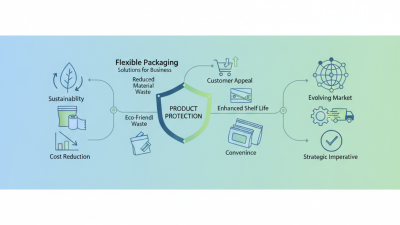
Why Choose Flexible Packaging Solutions for Global Sourcing?
Global sourcing demands more than a competitive price. It requires dependable quality, clear communication, and packaging that performs across long supply chains. Flexible packaging solutions can support these needs through lightweight structures, efficient storage, and adaptable designs. A pouch, rollstock, or laminated film may reduce shipping volume compared with rigid alternatives. That matters.
From supplier selection to final delivery, practical details shape the result. Teams should review material specifications, sealing performance, barrier requirements, and print consistency before placing large orders. Factory audits, sample approvals, and documented quality checks can reduce avoidable surprises. A package may look excellent on screen but fail beside a hot warehouse dock. This happens.
Experienced sourcing teams also consider regional regulations, recycling guidance, labeling rules, and changing customer expectations. These requirements vary by market, so professional advice and current documentation remain essential. Reliable suppliers should explain their materials clearly, provide test evidence, and communicate limitations without hiding them. Trust is built slowly.
The strongest sourcing strategy is not always the cheapest option. A thinner film could lower costs, yet create weaker seals or more product damage. Conversely, an overengineered structure may waste resources and budget. Careful trials reveal the balance between protection, appearance, logistics, and responsible material use. There is no perfect solution. However, flexible packaging solutions give global buyers a practical starting point for making informed, measurable decisions.
What Are Flexible Packaging Solutions?
Flexible packaging solutions are containers made from films, foils, papers, or layered materials. They include pouches, sachets, wraps, bags, and rollstock used for filling. Unlike rigid containers, these packs bend around the product. This can reduce storage volume and shipping weight.
A suitable structure depends on product sensitivity and market requirements. High-barrier films help protect moisture-sensitive goods. Heat-sealable layers support efficient filling lines. Clear windows can improve product visibility, but they may reduce light protection. Sourcing teams should review seal strength, puncture resistance, print quality, and recycling guidance. A package that performs well in one climate may weaken in another. Testing under heat, humidity, and transport vibration is essential. Small details matter, such as a zipper that remains usable after repeated opening. Flexible packaging is efficient, but it is not automatically sustainable or suitable. Material choices need evidence, not assumptions.
Tips: Request technical data before approval. Compare samples from the same specification. Check dimensions, barrier performance, and seal temperatures. Ask for migration and compliance documents for the destination market. Keep a retained sample from every approved production batch. Also, question impressive claims. A lighter package can still fail if it leaks, wrinkles, or cannot be properly processed after use.
How Flexible Packaging Supports Global Sourcing
Flexible packaging supports global sourcing by making products easier to pack, ship, and store across markets. Pouches, films, and rollstock often use less material than many rigid formats. They also reduce empty space in cartons and containers. This can lower freight volume and improve warehouse efficiency. In practical sourcing work, this matters when orders move between several countries. A supplier can adjust pack sizes, seals, printing, and barrier layers for different products. Moisture-sensitive goods may need stronger protection. Fresh products may require controlled airflow. The right structure depends on testing, not assumptions. Small details matter.
Reliable sourcing also depends on repeatable production. Clear specifications should cover thickness, seal strength, dimensions, tolerances, and approved materials. Pre-production samples can reveal weak seals or color shifts before a large order. Factory audits, batch records, and inspection plans provide useful evidence. However, flexible packaging is not automatically the cheapest option. A thinner film may reduce material use but increase damage risk. I have seen attractive cost estimates change after transport testing. That is an imperfect lesson, but an important one. Requirements vary by destination, so local compliance checks remain necessary.
Tips: Test before scaling. Keep backup suppliers. Document every change. Compare total landed cost, not only the unit price. Ask suppliers for test data, storage guidance, and realistic production timelines. Review performance after arrival, because warehouse conditions can expose problems that factory tests miss.
Why Choose Flexible Packaging Solutions for Global Sourcing?
Flexible packaging can reduce packaging weight and improve pallet utilization, helping global sourcing operations lower transport intensity and simplify cross-border distribution.
Representative empty-package weights for a 1-liter packaged product: flexible pouch 10 g, carton pack 28 g, PET bottle 37 g, and glass bottle 360 g. Actual weights vary by product design, barrier requirements, and filling system.
Which Materials and Formats Are Commonly Used?
Flexible packaging offers practical advantages for global sourcing. It reduces shipping volume and supports efficient warehouse storage. Material selection, however, determines performance, cost, and environmental impact.
Common materials include polyethylene, polypropylene, polyester, paper, and aluminum foil. Each material serves a different purpose. Polyethylene provides flexibility and reliable heat sealing. Polypropylene offers clarity and strong resistance to moisture. Polyester improves strength and print quality. Paper can create a natural appearance, but it may need a protective coating. Aluminum foil delivers excellent light and oxygen protection for sensitive products.
Formats vary with filling equipment and product requirements. Pouches, sachets, rollstock, stand-up bags, and flat bags are widely used. Spouted pouches support liquid products and controlled dispensing. Zippers help consumers reseal dry goods. Rollstock can reduce packaging costs when local filling lines are available. Yet, that assumption sometimes fails. Equipment compatibility, minimum order quantities, and transit conditions must be checked before approval. Barrier layers also require careful testing, especially under heat and humidity.
Tips:
Request complete material specifications, seal-strength data, and migration test reports. Confirm dimensions with production samples, not drawings alone. Compare total delivered cost, including freight, tooling, testing, and waste. Ask whether the structure can enter local recycling systems. It may not. That detail deserves early attention.
What Factors Influence Supplier and Format Selection?
Why Choose Flexible Packaging Solutions for Global Sourcing?
Supplier and format selection should begin with the product, not the lowest quotation. A liquid, powder, or oxygen-sensitive food needs different barrier, sealing, and handling performance. The Flexible Packaging Association reported that the U.S. flexible packaging market reached approximately $39.5 billion in 2022. That scale reflects strong demand, but it also increases supplier complexity.
Ask suppliers for recent test results, production capacity, lead-time records, and traceability procedures. Material consistency matters when packaging crosses several borders. A small variation in film thickness can affect sealing, filling speed, and product protection.
The Smithers report The Future of Global Flexible Packaging to 2028 identifies sustainability, lightweighting, and recycling infrastructure as major market influences. These factors should shape sourcing decisions, not merely marketing language.
Format choice also depends on equipment and distribution conditions. Rollstock may reduce shipping volume, while pre-made pouches can simplify smaller production runs. Barrier films may protect sensitive products, yet they can complicate recycling in some markets.
Check local recovery systems before selecting a structure. The Ellen MacArthur Foundation’s Global Commitment reports that flexible plastic packaging remains difficult to recycle at scale, despite ongoing design improvements. That limitation deserves honest discussion.
I would not treat one “eco-friendly” format as universally suitable. Pilot testing, drop trials, seal checks, and shelf-life studies reveal problems that a spreadsheet often misses.
Cost still matters. It should not be the only factor.
How Do Flexible Packages Improve Supply Chain Efficiency?
Flexible packaging can improve supply chain efficiency by reducing weight, volume, and handling time. In global sourcing, these small gains become significant across thousands of shipments. A laminated pouch may weigh far less than a rigid container with similar capacity. More units fit on each pallet, while fewer pallets require truck space. This can lower freight consumption and reduce warehouse congestion.
Efficiency also improves during production and fulfillment. Flexible formats can arrive in rolls or compact bundles, leaving more room for components and finished goods. Their lighter structure often makes manual packing easier, especially where workers move cartons repeatedly. Clear filling tolerances and strong seals help reduce leaks, rework, and customer complaints. From sourcing experience, packaging specifications should include drop tests, seal checks, and humidity trials before large orders begin.
But flexible packaging is not a perfect answer. Mixed materials can complicate recycling, and thin films may suffer punctures during rough handling. That weakness matters. Buyers should compare barrier performance, local recycling systems, and supplier quality records, not just unit price. A practical audit can examine sample lots, production controls, and delivery consistency. When data is incomplete, pilot shipments provide useful evidence. They also expose assumptions that spreadsheets often miss. Good packaging supports a predictable flow, but only when design, manufacturing, transport, and end-of-life planning work together.