

Packaging is easy to notice when it arrives, but its environmental footprint begins much earlier. A box, pouch, or bottle uses resources during production, then travels through storage, shipping, and disposal. Sustainable packaging materials matter because they can reduce avoidable impacts while still protecting products from damage, moisture, and contamination. That balance is practical. A lighter package may use fewer materials, yet it must remain strong enough for its journey.
The phrase sustainable packaging materials does not describe one universally best choice. Recycled paper, reusable containers, and certain recyclable or compostable formats each have different benefits and limits. Their performance depends on the product, local collection systems, material sourcing, and whether people can follow disposal instructions. A label alone proves little. A package marked recyclable may not be accepted everywhere, while a reusable option only helps when it is used repeatedly.
This article looks at why material choices matter, how packaging can support product protection and resource efficiency, and what trade-offs buyers and businesses should examine. It also considers durability, recycled content, reuse, and end-of-life pathways without treating any single feature as a complete solution. Details matter. Using credible data, supplier information, and local disposal conditions is more reliable than relying on green-sounding claims. There is no perfect package, and that is worth admitting. Better decisions usually come from asking what the package protects, what it contains, and what happens after use.
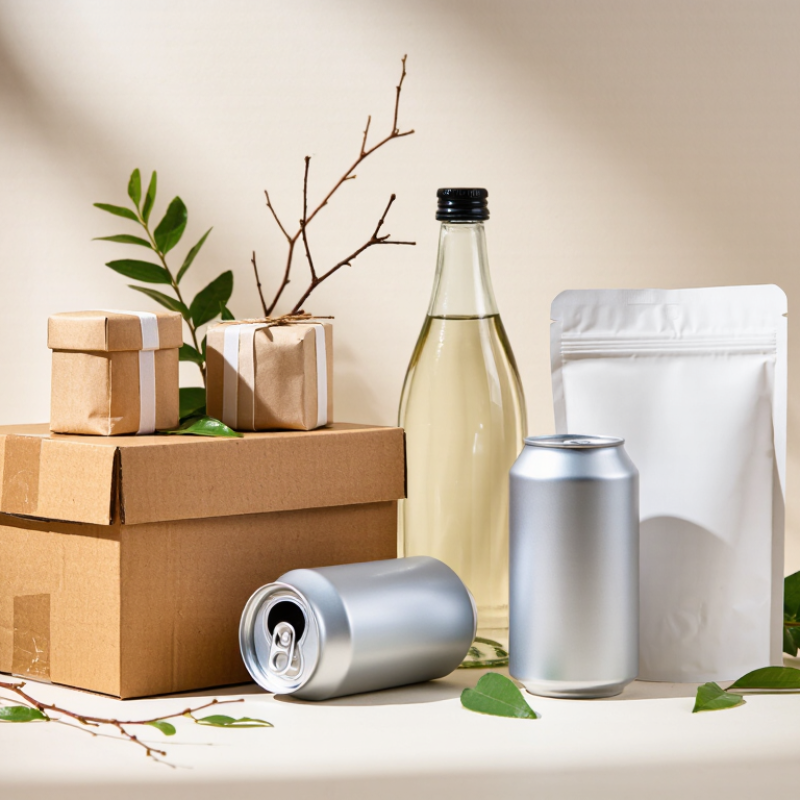
Sustainable packaging materials are selected to reduce harm across sourcing, production, transport, use, and disposal. They include recycled paper and cardboard, molded fiber, reusable glass or metal, recycled plastics, and some plant-based or compostable materials. A material is not automatically sustainable because it feels natural. Local recycling or composting facilities must be able to process it.
The OECD’s Global Plastics Outlook (2022) estimates that the world generated 353 million tonnes of plastic waste in 2019, and only 9% was recycled. Packaging accounted for about 40% of plastic waste. That makes material choice significant, but design matters too: a coated paper pouch may be difficult to recycle, while a heavier reusable container only makes sense if people reuse it enough times. Small detail, big difference.
The word “compostable” can mislead. Some items need industrial composting conditions and may not break down in a home compost pile. UNEP’s Turning off the Tap report (2023) estimates that system-wide changes could reduce plastic pollution by 80% by 2040; this is not a prediction for one packaging material. In practice, teams should check material composition, local collection rules, and whether a package protects the product without excessive layers. Those checks are easy to overlook.
| Material or format | Typical source | Potential sustainability benefits | Important considerations | Common applications | End-of-life considerations |
|---|---|---|---|---|---|
| Paper and corrugated cardboard | Wood fiber from forests or recovered paper fiber | Often lightweight, widely used, and recyclable where collection and processing are available. Recycled fiber can reduce demand for virgin fiber. | Forest management, manufacturing energy, water use, transport, and protective performance all affect overall impact. Coatings or food residue may complicate recycling. | Shipping boxes, paper bags, cartons, and protective inserts | Keep clean and dry for paper recycling. Local rules vary, especially for coated, laminated, or heavily soiled items. |
| Recycled-content paper or cardboard | Recovered paper and cardboard, often blended with some virgin fiber | Uses material already in circulation and can reduce reliance on virgin fiber. Recycled content can support demand for recovered-material markets. | Fiber quality declines after repeated recycling, so virgin fiber may still be needed. The environmental benefit depends on sourcing and production practices. | Mailers, cartons, boxes, and secondary packaging | Usually follows local paper-recycling rules when clean and free from incompatible coatings or components. |
| Glass | Mineral ingredients, principally silica, with recycled glass often used as cullet | Can be reused and recycled repeatedly without the same fiber-length limitations associated with paper. | Heavy weight can increase transport impacts. Melting requires high temperatures, and collection and recycling access vary by location. | Beverage bottles, jars, and some food containers | Reuse or place in glass recycling only where accepted. Some collection systems do not accept every type or color of glass. |
| Aluminum | Bauxite-derived aluminum or recycled aluminum scrap | Lightweight and highly recyclable in established collection systems. Recycling aluminum generally uses substantially less energy than producing primary aluminum from ore. | Primary production is energy-intensive. Small items, mixed-material packaging, and food residue can reduce recovery in some systems. | Beverage cans, trays, foil, and closures | Recycle where accepted and follow local preparation instructions. Composite packaging may require specialized recovery. |
| Recyclable mono-material plastic | Plastic resin designed around a single polymer type, such as PET or HDPE | Low weight can reduce transport mass. Simple material construction can make sorting and recycling more practical than complex laminates. | Recyclability depends on local collection, sorting, and processing capacity, as well as color, labels, additives, and package design. Recycling does not guarantee another packaging application. | Bottles, tubs, containers, and selected flexible packaging | Check local recycling guidance and resin acceptance. Emptying and keeping items free of excessive residue can support sorting and processing. |
| Compostable plastic | May be made from plant-based feedstocks, fossil feedstocks, or a blend | Can be suitable for specific applications where certified composting and collection systems are available, particularly when packaging is designed to be composted with food scraps. | “Biobased” does not necessarily mean compostable, and compostable does not mean home-compostable. Many products require controlled industrial composting conditions. | Selected food-service items and packaging intended for compatible organics programs | Use the designated composting route only if the local facility accepts the item. Otherwise, it may be treated as waste or interfere with other recycling streams. |
| Reusable packaging | Durable materials such as glass, metal, or robust plastics | Repeated use can reduce single-use material demand when the package completes enough reuse cycles and return logistics are efficient. | Benefits depend on actual reuse frequency, cleaning, breakage or loss rates, transport, and the material being replaced. | Refillable containers, returnable transport packaging, and reusable food-service containers | Designed for cleaning and repeated use; recycle or recover the material when it reaches the end of its service life. |
The most suitable option depends on the product, required protection, package weight, reuse potential, and local collection and processing infrastructure. Material choice alone does not determine a package’s overall environmental impact.