What Is Post Packaging and What Type Is Best for Buyers?

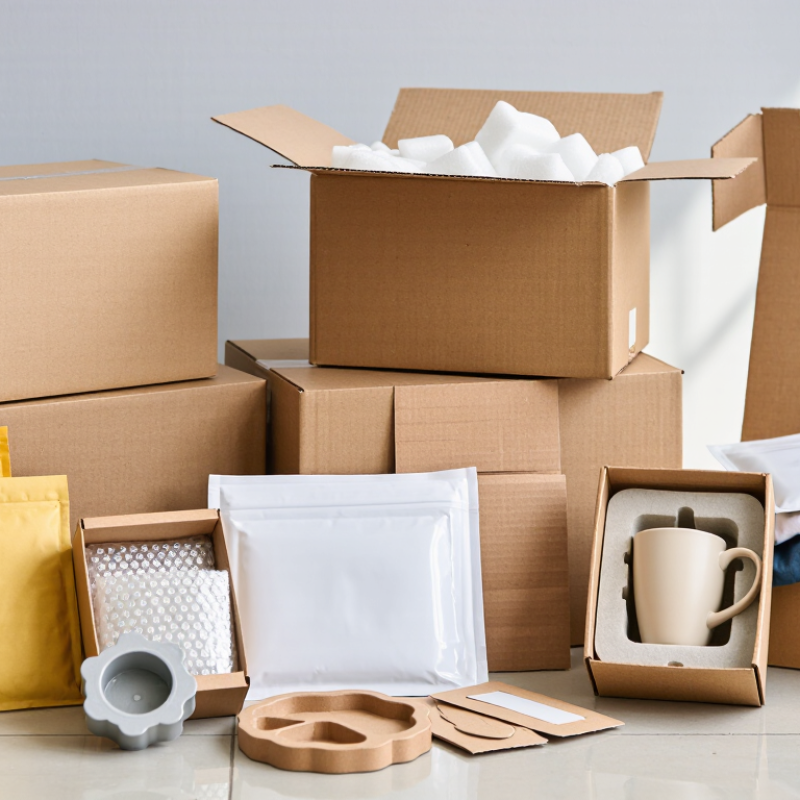
Post packaging refers to the materials used to protect, contain, and present products during shipping. It includes corrugated boxes, paper mailers, padded envelopes, poly mailers, and custom inserts. Each option serves a different purpose. A small clothing order may travel safely in a lightweight mailer. A ceramic mug needs stronger protection, such as a fitted box, cushioning, and careful sealing. The best choice depends on product weight, fragility, destination, return risk, and brand expectations.

For buyers, reliable protection should come before attractive printing. In practice, packaging that arrives crushed can damage trust quickly. A well-designed corrugated box can reduce movement and limit impact. Paper-based materials may suit buyers seeking recyclable options. However, sustainability claims require evidence, not attractive wording. Buyers should check material details, recycled content, certifications, closure strength, and supplier testing. Water resistance also matters when parcels face rain or damp storage.

There is no perfect choice.

A low-cost mailer may reduce shipping expenses, yet it may not protect delicate goods. Excessive packaging can create waste and frustrate customers. The right balance is often found through small trials. Send sample packages through normal delivery routes. Inspect corners, seals, moisture exposure, and product movement afterward. This simple test can reveal weaknesses that product photos hide. I would not treat one packaging type as universally best. Conditions change, and supplier quality can vary. This article examines post packaging options through practical performance, buyer needs, environmental considerations, and dependable purchasing checks.
What Is Post Packaging and What Type Is Best for Buyers?

What Is Post Packaging?

Post packaging is the protective packaging used to move products through postal and parcel networks. It includes mailer boxes, corrugated cartons, padded envelopes, paper mailers, and protective inserts. Unlike shelf packaging, it must survive drops, compression, vibration, weather, and repeated handling. A loose mug inside a thin envelope is a clear failure.

The scale is substantial. Pitney Bowes’ Parcel Shipping Index reported 161.8 billion parcels worldwide in 2022. Each parcel adds pressure to packaging design, transport systems, and waste management.

The U.S. Environmental Protection Agency’s Advancing Sustainable Materials Management report recorded 82.2 million tons of containers and packaging in municipal solid waste during 2018.

These figures show why post packaging needs both protection and material discipline.

For buyers, the best format depends on the product, route, and return risk. A strong corrugated mailer suits books, electronics, and boxed goods. A padded paper envelope may protect small, lightweight items from scratches and minor impacts. Moisture-sensitive products need stronger barriers, but excessive layers create unnecessary waste.

The Packaging Corporation of America’s e-commerce packaging guidance stresses right-sizing, because empty space increases movement and material use. However, “minimal” is not always better. My practical concern is that lightweight packaging can fail during wet delivery conditions.

A damaged product creates more waste than a slightly heavier package. Testing with drop, compression, and moisture simulations remains essential. Feel matters, too. A crushed corner can reduce buyer confidence before the product is opened.


How Post Packaging Protects Items During Delivery

Post Packaging: How It Protects Items During Delivery

Post packaging shields products from drops, pressure, vibration, dust, and changing moisture levels. During delivery, parcels may be stacked beneath heavier boxes. A strong outer layer helps prevent crushing and surface damage. Internal padding also stops items from moving inside the package. Movement is often the hidden cause of cracks, dents, and broken corners.

Different products need different protection. Corrugated boxes suit heavier or fragile items because their walls resist compression. Padded mailers work well for books, clothing, and other flexible goods. Paper envelopes may suit flat documents, but they offer limited impact protection. The best choice for buyers is not always the largest package. Excess space can make an item slide and strike the box walls. A snug fit, suitable cushioning, and secure sealing usually provide better control. Still, no packaging can prevent every delivery problem. That is worth remembering.

Tips: Shake the sealed parcel gently. If the contents move, add padding. Leave a small buffer around fragile surfaces. Use moisture-resistant wrapping for items affected by damp conditions. Check corners, seams, and the closure before handing over the parcel. A quick test helps, although it cannot replace careful material selection.

What Is Post Packaging and What Type Is Best for Buyers?

Post packaging is the protective packaging used to prepare products for shipment through postal and parcel-delivery networks. A corrugated box with internal cushioning is generally the most versatile choice because it helps resist crushing, impacts, vibration, and movement during transit.

The chart shows commonly referenced free-fall drop heights from ASTM D5276-style package testing by gross package weight. Heavier packages are tested from lower heights because they generate greater impact energy. Buyers should select packaging based on product fragility, size, weight, moisture exposure, and the expected handling environment.

Key Materials Used in Post Packaging

What Is Post Packaging and What Type Is Best for Buyers?

Post packaging refers to materials managed after a product is opened, used, or discarded. Buyers should inspect more than appearance. They need to consider protection, recovery options, and local collection systems. The OECD Global Plastics Outlook reports that only 9% of plastic waste was recycled globally in 2019. This figure exposes a practical problem: recyclable does not always mean recycled.

Key Materials Used in Post Packaging

Paperboard remains popular because it is lightweight, printable, and widely collected. However, food grease and plastic coatings can reduce its recovery value. Recycled paper fibers also weaken after repeated processing.

Glass provides strong barrier protection and can be recycled repeatedly, but its weight increases transport emissions.

The International Aluminium Institute states that recycled aluminium requires about 95% less energy than primary aluminium production. It is durable, though its extraction and forming stages still deserve scrutiny.

Plastic packaging often uses PET, HDPE, or flexible films. PET and HDPE have established recycling streams in many regions. Flexible films can use less material, but collection and sorting are more difficult. The OECD data suggests that material efficiency alone is insufficient. Design matters. Clear labels, fewer mixed materials, and compatible closures can improve recovery.

The choice is rarely perfect. A paper pack may absorb moisture. A glass container may break. A lightweight plastic pack may travel efficiently but face poor recycling access. Buyers should question both material claims and local infrastructure. The Sustainable Packaging Coalition’s guidance also stresses that recyclability depends on collection, sorting, and end-market demand. Packaging decisions need evidence, not attractive symbols.

Main Types of Post Packaging for Different Products

Post packaging is the protective material used to send products through postal networks. Its best form depends on the product’s weight, shape, fragility, and moisture risk. A good package should fit closely, but not tightly enough to crush the contents.

Padded envelopes suit clothing, books, small accessories, and other flexible goods. Their bubble or paper cushioning reduces light impacts and keeps postage costs lower. Corrugated boxes work better for shoes, kitchen items, tools, and several products packed together. Use inner paper, air cushions, or molded inserts when movement could cause damage. Rigid mailers protect documents, photographs, and thin printed materials from bending. For posters, maps, and long objects, mailing tubes provide useful shape support. They can be awkward to store, though.

Paper mailers may suit lightweight, non-fragile products and create less plastic waste. However, they perform poorly against heavy rain unless they include a reliable moisture barrier. Test the package before shipping. Shake it gently, place it under moderate pressure, and check whether the product shifts. A drop test from table height can reveal weak corners. Not every parcel needs expensive protection. Overpacking increases material use and handling costs. Still, saving a few cents can become costly after one damaged delivery. I sometimes choose a box when a padded envelope seems sufficient. That caution is not always efficient, but product value and customer expectations matter. Packaging decisions should be reviewed after real delivery feedback, not only from a packing table.

How Buyers Can Choose the Best Post Packaging Type

Choosing the best post packaging starts with the item, not the appearance of the package. Measure the product, including fragile edges and handles. A snug corrugated box suits books, tools, and other rigid goods. Padded mailers work better for soft items, clothing, and documents. Use a postal tube for posters or rolled artwork.

Check the package’s strength before buying in bulk. Press the corners gently. They should resist bending. For breakable products, add cushioning around every side, not only the top. A two-centimeter gap can allow movement during transport. Water-resistant layers help when parcels wait outside in rain. However, extra layers increase weight and postage costs. That trade-off is easy to overlook.

Closure quality also matters. Strong adhesive strips save time and reduce accidental openings. Test one packed parcel by turning it upside down and shaking it carefully. I once selected a box that looked sturdy, but its bottom opened under moderate weight. The design was attractive, yet the seal was weak. That mistake changed my buying checklist. Ask for material specifications, weight limits, and sample units before placing a large order. Consider recycled content, but do not assume it means lower protection. Packaging should protect the product without creating unnecessary waste. It may take two trials to find that balance.

What Is Post Packaging and What Type Is Best for Buyers? - How Buyers Can Choose the Best Post Packaging Type

Performance figures are typical ranges for commonly available packaging formats. Actual results depend on dimensions, construction, closure method, contents, and shipping conditions.
Post Packaging Type Typical Construction Typical Empty Weight Protection Against Impact Moisture Resistance Space and Postage Efficiency End-of-Life Considerations Best Choice For Main Trade-Off
Paper Mailing Envelope One or more layers of kraft paper, usually with a self-seal strip. Approximately 15–45 g for a small to medium envelope. Low Low to moderate Excellent for flat, lightweight items; folds and stores easily. Generally recyclable with paper when clean and free from mixed materials. Documents, cards, brochures, and flat non-fragile goods. Offers little cushioning or puncture protection.
Padded Paper Mailer Paper outer layers with a crumpled-paper or paper-fiber cushioning layer. Approximately 35–100 g for a small to medium mailer. Moderate Low to moderate Lightweight and flexible, but less space-efficient than a flat envelope. Often recyclable with paper if the product contains no plastic or foam layers. Books, small accessories, and moderately delicate items. Less resistant to prolonged rain and heavy compression than a box.
Bubble Mailer Paper or plastic outer film lined with air-filled plastic bubbles. Approximately 20–90 g for a small to medium mailer. Moderate Moderate to high Very lightweight and takes less space than a rigid box. Mixed-material versions are difficult to recycle; plastic versions may require specialist film collection. Small items needing light cushioning and some moisture resistance. Limited structural strength and more difficult recycling for composite designs.
Poly Mailer Thin, tear-resistant polyethylene film with a permanent adhesive closure. Approximately 15–70 g for a small to medium mailer. Low High Highly space-efficient, lightweight, and resistant to rain. Usually not accepted in standard curbside recycling; may be accepted through specialized plastic-film programs. Soft goods, clothing, linens, and other non-fragile products. Provides little protection against crushing, sharp edges, or major impacts.
Single-Wall Corrugated Box Paperboard liner sheets separated by a fluted paper layer. Approximately 100–450 g, depending on size and board grade. High Low to moderate Stacks well and provides efficient protection, but uses more material and space. Widely recyclable when clean, dry, and flattened; remove excessive tape where required locally. Fragile, rigid, heavy, or irregularly shaped products. Heavier and more expensive to ship than flexible mailers of similar capacity.
Double-Wall Corrugated Box Two fluted paper layers between three paperboard liner sheets. Approximately 250–900 g, depending on size and board grade. Very high Low to moderate Strong stacking performance, but the heaviest common option in this comparison. Widely recyclable when clean and dry. Heavy, high-value, fragile, or multi-item shipments. Higher material use, dimensional weight, and shipping cost.
Cardboard Mailing Tube Spiral-wound or convolute-wound paperboard tube with end caps. Approximately 80–350 g, depending on length and diameter. Moderate to high Low to moderate Efficient for long, narrow products but unsuitable for flat packing. Paperboard sections are generally recyclable; plastic end caps should be separated where possible. Posters, drawings, maps, banners, and rolled documents. Can incur inefficient dimensional charges and does not suit most standard-shaped goods.
Reusable Mailer Durable textile, woven plastic, or reinforced film with a resealable closure. Approximately 80–300 g, depending on material and size. Moderate Moderate to high Can reduce packaging waste when returned and reused several times. Depends on the material; multi-layer textiles and composites may not be recyclable locally. Repeat deliveries, returns programs, and customers likely to reuse packaging. Higher purchase weight and cost; environmental benefit depends on actual reuse.