What Is Our Packaging and Why Does It Matter?
What is our packaging? It is the bottle, carton, label, seal, and shipping material that carry a product into someone’s hands. A chilled drink on a store shelf depends on its container to hold liquid, show its ingredients, and catch a shopper’s eye. Our packaging is not decoration alone. It shapes how a product is protected, understood, stored, and remembered. Small details matter: a cap that leaks, print that rubs off, or a box that arrives crushed can change the whole experience.
The scale is significant. The OECD’s Global Plastics Outlook (2022) estimates that the world generated 353 million tonnes of plastic waste in 2019. Packaging accounted for about 40% of that total. Those figures make packaging choices worth examining, though they do not mean every material or format has the same impact. Weight, durability, reuse, local waste systems, and transport all affect the outcome. A lighter pack may save material, but it still needs to protect the product.
Walter Landor, founder of the branding firm Landor Associates, is widely credited with saying, “Products are made in the factory, but brands are created in the mind.” Packaging helps shape that impression, yet appearance cannot stand in for performance. It must work on a shelf, in transit, and at home. There is room for honest doubt, too: a package can look sustainable without being easy to reuse or recycle. This guide explores what our packaging does, why it matters, and which questions deserve closer attention.
Defining Packaging and Its Main Components
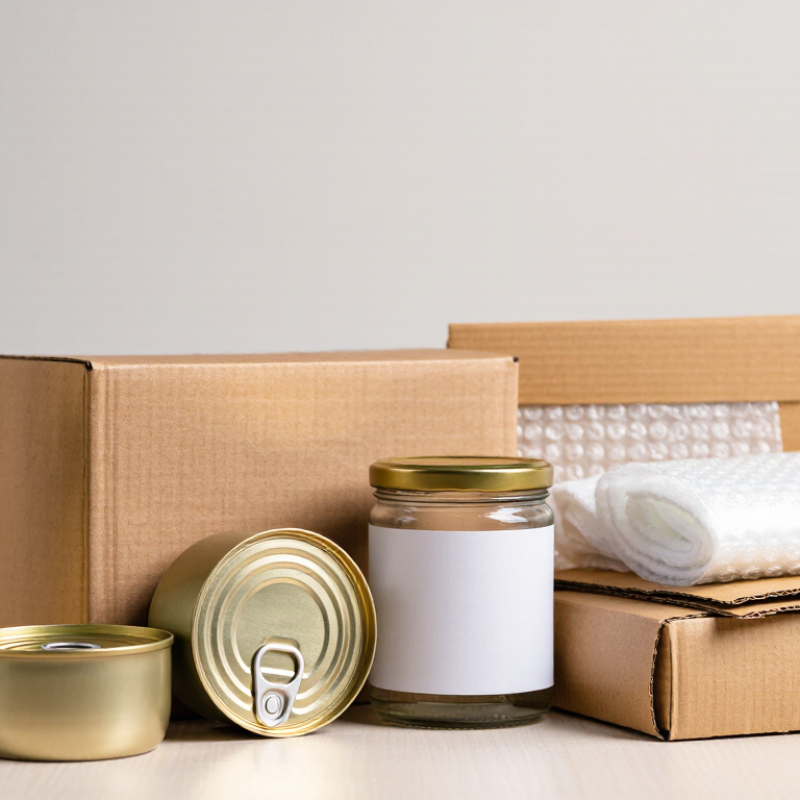
Packaging is the set of materials and design choices that contain, protect, identify, and help move a product. It is more than a box. A glass jar, its lid, a paper label, and the cushioning around it can all be part of the packaging system.
The main components often work in layers. Primary packaging touches or directly holds the product, such as a bottle, pouch, or tray. Secondary packaging groups or protects primary units, perhaps with a carton or sleeve. Tertiary packaging supports storage and transport, using items such as a shipping case or pallet wrap. Not every product needs all three layers.
Materials and structure shape how well each layer performs. A closure must fit securely; a label should remain readable after handling; cushioning should limit movement without adding needless bulk. Small details count. A loose cap or damp carton can turn a sound design into a frustrating experience. Packaging also communicates practical information, including quantity, handling instructions, and product details. These elements should be clear and easy to check.
The right definition depends on the product and its journey. A fragile item may need a fitted insert, while a sturdy item might travel safely in a simpler pack. More material does not always mean better protection, and less is not automatically better. That balance is easy to misjudge. A useful assessment considers product needs, handling conditions, and what happens to each component after use.
What Is Our Packaging and Why Does It Matter?
Packaging combines materials and components to contain, protect, and communicate information about a product.
Typical material density, in grams per cubic centimeter. Packaging may include a primary container, protective or secondary layers, and components such as closures and labels. Density is one design consideration; the actual value varies by material grade and construction.
Tracing the Evolution of Packaging Materials and Methods
Packaging has changed alongside the ways people store, move, and protect goods. Early containers used materials close at hand: woven plant fibers, wood, clay, and animal skins. They could be repaired or reused, but their weight, fragility, and uneven shapes made transport difficult. Paper brought lighter wrapping and folding options. A quiet shift.
Glass and metal later offered stronger barriers against moisture, air, and contamination. Their shape and durability suited repeated use, though weight and production demands mattered. In the twentieth century, plastics enabled lightweight films, squeeze bottles, and tightly sealed pouches. These formats reduced breakage and helped protect products during long journeys. But convenience left a complicated legacy.
Packaging methods evolved too. Hand wrapping gave way to molds, filling lines, heat seals, and printed labels. Today, designers test package strength, shelf life, and how easily materials can be sorted after use. A paper box may seem simple, yet coatings or mixed layers can complicate recycling. Better design starts with the real journey: a damp loading area, a crowded shelf, a parcel dropped on its corner. No material is perfect. Even reusable containers need washing, transport, and enough return trips to make reuse practical. Some choices still deserve a second look.
Explaining How Packaging Protects and Presents Products
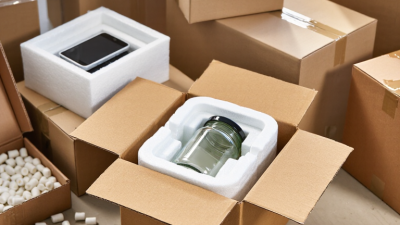
Packaging protects products from impact, moisture, light, and contamination during storage and transit. A firm carton can absorb a drop; a well-fitted insert can stop a glass jar from knocking against its neighbors. For food, a barrier film may slow exposure to oxygen and moisture. Protection is practical, not decorative. Yet it must suit the product: excess material can add cost and waste without adding useful protection.
Packaging also helps people judge and use what they buy. Clear labels, readable dates, and easy-open closures can make a shelf item easier to identify and handle. Small details count. FAO’s 2023 food security report estimated that 13.2% of food was lost after harvest and before retail in 2021. Packaging alone cannot prevent those losses, but suitable formats can help limit damage along parts of the supply chain. The trade-off deserves attention: the US EPA reported that containers and packaging generated 82.2 million tons of municipal solid waste in 2018, or 28.1% of the total. That figure is a reminder to weigh protection against material use. The right choice is not always obvious, and a package that works well in transit may still be difficult to sort or recycle.
Examining Packaging’s Effects on Consumers and the Environment
Packaging is the container, wrapper, or cushioning that protects a product and helps people handle it. It also shapes what consumers notice before they buy. A clear label can make ingredients or care instructions easier to find, while a tight seal can reassure someone carrying food home. Small design choices matter.
But packaging can also frustrate. A box inside a box, padded around a small item, uses material without always adding useful protection. It may take extra effort to open or sort for recycling. That matters. Packaging waste depends not only on the material, but also on local collection systems and whether items are clean and accepted. Paper can seem like an obvious choice, yet coatings or mixed layers may complicate recycling. Not always.
For the environment, reducing unnecessary material is often a practical starting point. Lightweight designs can cut material use, but they still need to protect products during storage and delivery. Damage can mean a product is wasted too. There is no perfect package for every product, and “recyclable” does not guarantee that a package will actually be recycled. I sometimes find that trade-off less tidy than the label suggests. A useful design balances protection, clear information, ease of opening, and realistic disposal options.
Identifying Principles of Safer and More Sustainable Packaging
What Is Our Packaging and Why Does It Matter?
Identifying Principles of Safer and More Sustainable Packaging
Packaging should protect its contents without creating avoidable risks for people or the environment. That starts with choosing materials suited to the product, rather than adding layers by habit. A sturdy seal can help prevent leaks, while clear handling instructions can reduce confusion. Small details matter. Yet “more packaging” does not always mean “safer”; unnecessary parts may complicate opening, sorting, and disposal.
Safer design also considers how people actually use a package. Can someone open it without a sharp tool? Could a loose cap or small component create a hazard for a child? These questions belong in the design process, alongside protection from moisture, impact, or contamination. In practice, trade-offs are easy to miss. A material that works well in one setting may be difficult to separate or recycle in another.
Sustainable packaging uses resources thoughtfully across its life cycle. Reducing excess space can mean fewer materials and more efficient transport, but the package must still protect its contents. Reusable or recyclable options can help where collection and processing systems support them. Clear disposal guidance is useful, though labels cannot fix gaps in local services. There is no perfect choice. Better decisions come from testing real packages, checking local waste options, and revisiting designs when they cause avoidable waste or confusion.