How to Choose Flow Wrappers for Global Sourcing in 2026?
Choosing flow wrappers for global sourcing in 2026 requires more than comparing machine prices. It demands a careful review of product shape, film behavior, production speed, and supplier reliability. A bakery may need clean seals around soft pastries. A hardware producer may require stronger film control for irregular parts. These differences quickly change the right equipment choice.
Experienced buyers usually begin with real samples, not brochures. Ask suppliers to run your product through a monitored factory trial. Record seal temperature, cutting accuracy, film waste, changeover time, and operator access. A wrapper that runs smoothly for ten minutes may struggle during an eight-hour shift. That detail matters.
Reliable sourcing also depends on documented quality systems, transparent specifications, and responsive technical support. Check electrical standards, spare-part availability, installation procedures, and remote troubleshooting options before signing a contract. Confirm whether the supplier can provide test records and relevant certifications for your target markets. Requirements can vary widely.
Total cost matters more than the purchase quote. Include freight, import handling, training, maintenance, energy use, and expected downtime. A low-cost machine may become expensive when one sensor takes weeks to replace. Still, even a detailed checklist has limits. Production conditions change, and supplier claims may not match factory performance. Keep assumptions visible. Recheck them.
The strongest decision combines measurable tests with practical judgment. In 2026, global sourcing teams should select flow wrappers that protect product quality, support responsible compliance, and remain serviceable across borders. The best option is not always the fastest machine. It is the one that performs consistently when real production becomes inconvenient.
Understanding Flow Wrappers in Global Sourcing
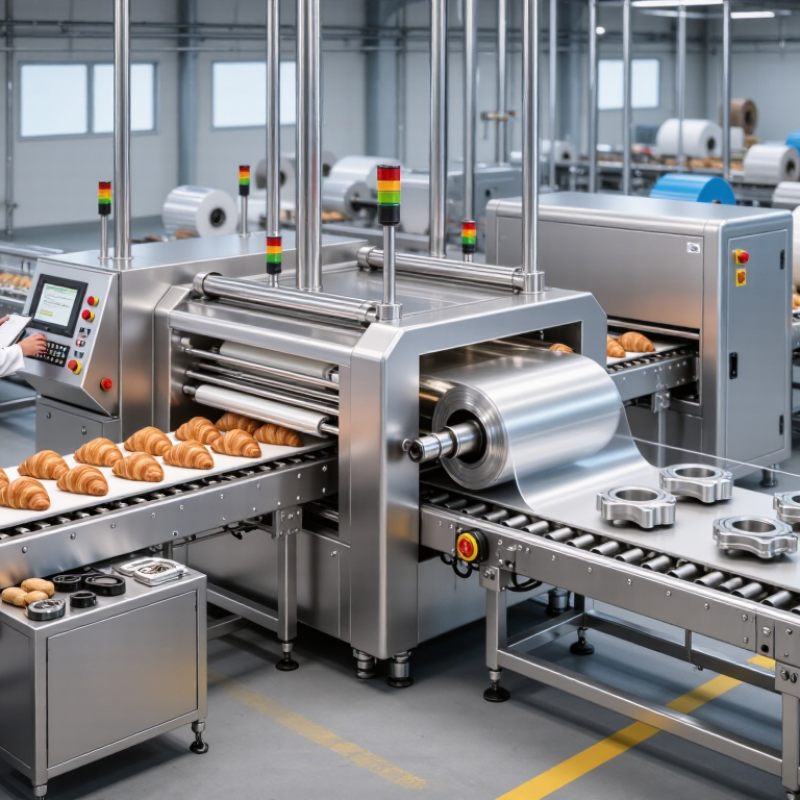
Flow wrappers are horizontal packaging machines that form film around products, seal the edges, and cut individual packs. Their value depends on product shape, film type, output speed, and sealing accuracy. A suitable machine should handle your real products, not only a polished sample.
In global sourcing, request a trial using your product, planned film, and target pack dimensions. Check seal strength, film waste, changeover time, noise, and access to wear parts. Ask for electrical drawings, operating manuals, maintenance schedules, and documented safety testing. Confirm whether the machine supports your destination’s packaging and workplace requirements. Requirements differ across markets.
Small details matter. Measure the factory floor before ordering. Check voltage, compressed-air quality, shipping dimensions, and operator training. A remote video test can reveal unstable feeding or uneven seals. It is useful, but not enough. A physical acceptance test offers stronger evidence. One recurring mistake is choosing the fastest wrapper. High speed means little when products jam every hour. A slower machine may deliver better uptime and lower waste. I would also question unclear promises about service response. Written spare-parts lists and support terms are safer than friendly assurances. Some sourcing decisions still feel uncertain, especially when future product sizes are unknown. Leave adjustment capacity where possible, but avoid paying for features you cannot verify.
How to Choose Flow Wrappers for Global Sourcing in 2026?
Understanding Flow Wrappers in Global Sourcing
Throughput requirements vary by product type and package format. Confectionery and snack applications generally require higher speeds, while fresh produce and medical products typically prioritize gentle handling, hygiene, and controlled sealing. When sourcing globally, compare speed together with film compatibility, sealing temperature, changeover time, electrical standards, spare-parts availability, and after-sales support.
Indicative industry planning ranges in packs per minute; actual performance depends on product dimensions, film material, package configuration, and machine setup.
Evaluating Suppliers, Costs, Quality, and Production Capacity
Choosing flow wrappers for global sourcing in 2026 requires more than comparing machine prices. A capable supplier should explain sealing methods, film compatibility, changeover time, and maintenance access. Request recent production records, factory references, and a live demonstration using your actual product size. A wrapper that performs well with empty test packs may struggle with soft, uneven, or fragile products. Ask for evidence.
Cost evaluation should include tooling, spare parts, freight, installation, training, energy use, and potential downtime. A low quotation can become expensive when replacement heaters or custom guides arrive slowly. I recommend comparing total ownership costs over three years, not only the initial invoice. Currency changes and shipping delays also deserve a realistic allowance. Numbers can mislead.
Quality checks should cover seal strength, film tracking, cutting accuracy, code placement, and safety controls. Request sample packs from a normal production run, then test them after transport and temperature changes. Production capacity matters equally. Confirm monthly output, current orders, staffing, and backup equipment rather than trusting a factory’s maximum figure. A supplier should provide a clear capacity plan for peak periods. I still leave room for uncertainty because forecasts are rarely perfect, and an impressive audit cannot replace consistent delivery.
How to Choose Flow Wrappers for Global Sourcing in 2026? — Evaluating Suppliers, Costs, Quality, and Production Capacity
| Supplier Profile |
Manufacturing Region |
Recommended Application |
Machine Configuration |
Typical Output |
Maximum Film Width |
Indicative FOB Cost |
Typical Lead Time |
Quality and Compliance Documentation |
Annual Production Capacity |
Warranty |
Service Capability |
Evaluation Score |
| Supplier Profile 01 |
East Asia |
Bakery products, snack bars, biscuits |
Horizontal flow wrapper; intermittent motion; stainless-steel product-contact areas |
60–120 packs/minute |
350 mm |
US$18,000–32,000 |
45–70 days |
Factory acceptance test; electrical conformity file; ISO 9001 available on request |
80–140 machines |
12 months for major components |
Remote commissioning; spare parts shipment within 7–14 days |
82/100 |
| Supplier Profile 02 |
South Asia |
Confectionery, small consumer goods, private-label products |
Servo-driven horizontal wrapper; intermittent motion; touchscreen control |
40–90 packs/minute |
300 mm |
US$14,000–25,000 |
50–80 days |
Machine drawings; material certificates; pre-shipment inspection report |
50–100 machines |
12 months for manufacturing defects |
Video training; regional distributor support varies by market |
75/100 |
| Supplier Profile 03 |
Western Europe |
High-speed food production and regulated packaging lines |
Continuous-motion flow wrapper; multi-axis servo system; automatic film tracking |
150–300 packs/minute |
450 mm |
US$95,000–180,000 |
120–210 days |
CE technical file; risk assessment; electrical schematics; FAT and SAT protocols |
30–70 machines |
12–24 months, depending on contract |
Local field engineers; preventive-maintenance programs; validated spare-parts systems |
94/100 |
| Supplier Profile 04 |
Central Europe |
Frozen foods, meat products, and demanding retail applications |
Continuous-motion wrapper; gas-flush option; washdown-ready construction |
100–220 packs/minute |
500 mm |
US$70,000–145,000 |
100–180 days |
CE documentation; hygienic-design declaration; IP-rated component list; FAT report |
25–60 machines |
12 months standard; extended coverage available |
On-site installation; operator training; planned service contracts |
91/100 |
| Supplier Profile 05 |
North America |
Retail-ready products and integrated automated lines |
Servo flow wrapper; automatic feeding; line-integration and inspection interfaces |
100–250 packs/minute |
400 mm |
US$80,000–160,000 |
90–180 days |
Electrical compliance package; FAT/SAT documentation; documented change-control process |
35–75 machines |
12 months standard |
North American service network; telephone support; application engineering |
89/100 |
| Supplier Profile 06 |
Türkiye and Eastern Europe |
Mid-volume bakery, produce, and general food packaging |
Intermittent or continuous flow wrapper; modular feeding options |
70–160 packs/minute |
400 mm |
US$28,000–58,000 |
60–100 days |
CE declaration; factory test checklist; component traceability available by project |
45–90 machines |
12 months |
Remote support; installation assistance available for major export orders |
80/100 |
| Supplier Profile 07 |
Southeast Asia |
Flexible packaging for small and medium production plants |
Compact intermittent wrapper; quick-change forming box; basic servo controls |
40–100 packs/minute |
320 mm |
US$16,000–30,000 |
55–90 days |
Factory inspection report; electrical drawings; food-contact material declarations where applicable |
35–80 machines |
12 months |
Remote troubleshooting; standard spare-parts kits; limited local service coverage |
76/100 |
| Supplier Profile 08 |
Latin America |
Regional food producers requiring local integration support |
Intermittent flow wrapper; manual or automatic infeed; configurable sealing jaws |
50–110 packs/minute |
350 mm |
US$22,000–45,000 |
70–120 days |
Local conformity documents; factory test record; installation and training checklist |
20–50 machines |
12 months |
Local-language support; faster on-site response within the regional market |
78/100 |
| Benchmark note: Prices are indicative 2026 FOB ranges for complete flow-wrapper systems and may change with film width, feeding equipment, gas flushing, vision inspection, coding, automation level, shipping terms, and validation requirements. Output figures are typical rated ranges and should be confirmed through a product trial and factory acceptance test. |
Selecting, Testing, and Managing the Best Flow Wrapper Partner
In 2026, choosing a flow wrapper partner means testing more than sealing speed. Global sourcing teams need evidence from the factory floor, not polished promises. Request production samples using your actual film, product size, and target pack weight. Measure seal strength, film waste, changeover time, and unplanned stops. Record results under normal humidity and temperature conditions. Small variations often reveal larger process weaknesses.
Evaluate the partner’s engineering depth before signing a long contract. Ask for maintenance schedules, spare-part access, operator training, and documented quality controls. Review how quickly technical staff respond during a simulated fault. A useful test is a timed video call from the line. Can they identify a crooked seal from one image? Maybe not. That hesitation matters. Inspect certifications and traceability records, but verify their scope and expiry dates. Documents can be current while daily practices remain inconsistent.
Management begins with measurable service terms. Set targets for uptime, response time, reject rates, installation milestones, and training completion. Use a shared monthly scorecard with named owners and corrective-action deadlines. Keep one escalation route for urgent failures across time zones. Quarterly business reviews should examine data, not friendly impressions. However, scorecards are not perfect. A supplier may meet uptime targets while quietly increasing film consumption. Recheck total cost after each design change. That extra review can prevent a cheap machine from becoming an expensive lesson.