How to Use Flow Wrappers for Effective Packaging Solutions?
In today's competitive market, the choice of packaging significantly influences product success. Flow wrappers offer a unique solution, combining efficiency and versatility. According to recent industry reports, the global flow wrapping market is projected to reach $4 billion by 2026, highlighting its growing impact on packaging strategies.
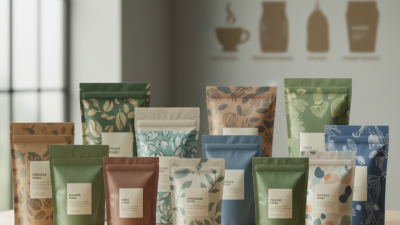
Flow wrappers enhance product presentation and extend shelf life. They are widely used for various products, including snacks, baked goods, and even medical supplies. A notable finding from a 2021 packaging study indicates that 62% of consumers prefer products with attractive packaging. This trend underscores the importance of investing in effective packaging solutions.
While flow wrappers provide many advantages, there are challenges to consider. Equipment costs and maintenance can be a concern for smaller businesses. Additionally, the selection of packing materials must balance sustainability with functionality. A thoughtful approach is essential to optimize the use of flow wrappers in creating packaging that meets both consumer expectations and operational goals.
Understanding Flow Wrappers and Their Benefits in Packaging
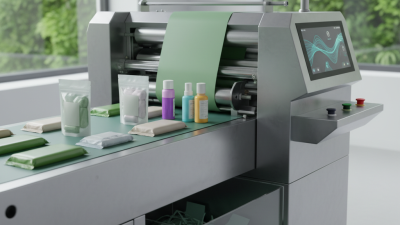
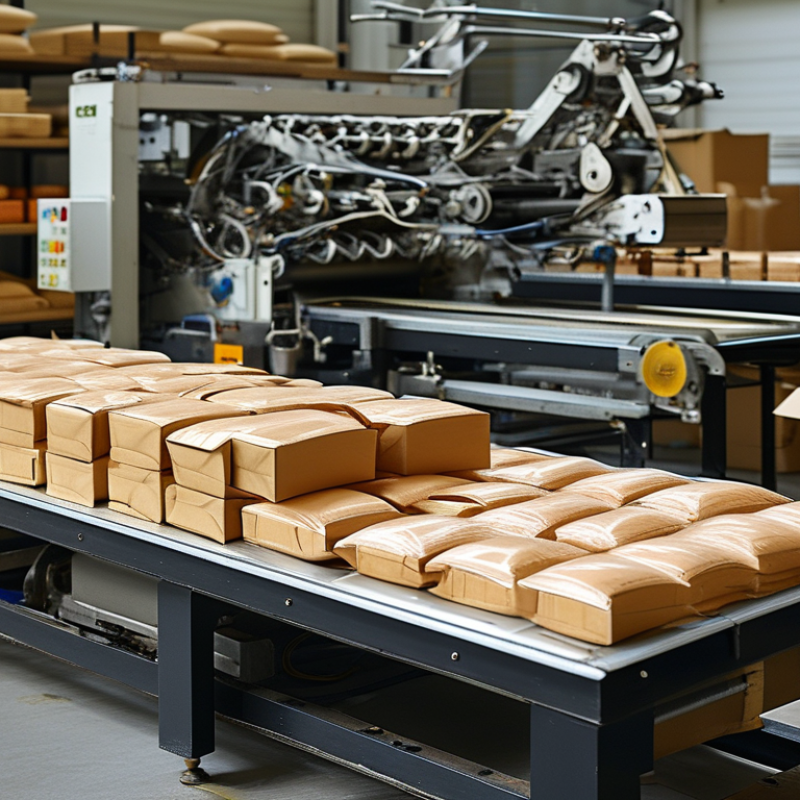
Flow wrappers are gaining popularity in the packaging industry. Understanding their benefits is key for businesses looking to enhance their efficiency. These machines package products in a continuous flow, reducing manual labor and time. They work well for various items, from snacks to pharmaceuticals. The speed of flow wrappers can significantly boost production rates.
One key advantage is the tight seal they provide. This seal helps protect products from external elements. A well-sealed package can extend shelf life and maintain freshness. However, not every product suits this method. Some items may require specific packaging to ensure quality. Companies need to evaluate their products carefully.
While flow wrappers offer many benefits, there are limitations. The initial setup cost might be high for smaller businesses. Additionally, training personnel to operate these machines can be time-consuming. Companies should weigh these factors before investing. They must analyze their unique requirements and objectives. This way, they can achieve optimal results in their packaging solutions.
Types of Flow Wrappers Used in Packaging Solutions
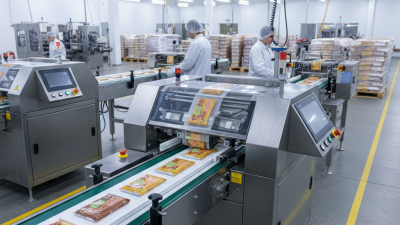
Flow wrappers are essential in the packaging industry. Various types cater to different products and needs. Each type has its unique features that enhance efficiency and product protection. For instance, horizontal flow wrappers are widely used for packaging fragile items like snacks and baked goods. They provide a tight seal, ensuring freshness while allowing for high-speed packaging. According to the Flexible Packaging Association, the flexible packaging market is projected to grow by 5% annually, indicating a strong demand for flow-wrapped solutions.
Vertical flow wrappers are also gaining popularity. They are ideal for packaging bulkier products such as poultry and dairy. This type of wrapper optimizes space and can accommodate varying package sizes. A study by Smithers Pira emphasizes that the efficiency of vertical flow wrappers can increase productivity by 30% compared to traditional methods. However, companies often need to reassess their operations to truly harness these benefits.
**Tip:** Regular maintenance of flow wrap machines can prevent breakdowns. Keep your equipment clean and updated for optimal performance.
*It's important to note that not all packaging solutions suit every product. Certain items may require specialized materials for better protection.* Evaluating the specific needs of products can guide the choice of the right flow wrapper type. A well-informed selection can significantly improve shelf life and customer satisfaction.
Flow Wrapper Types and Their Usage in Packaging Solutions
Key Features to Consider When Choosing Flow Wrappers
When selecting flow wrappers for packaging solutions, several key features are vital. One major consideration is the machine's versatility. According to industry reports, about 70% of packaging needs vary significantly across products. A good flow wrapper can accommodate different sizes and shapes, ensuring efficiency.
Another important feature is the sealing technology. High-quality seals are crucial for product freshness and shelf life. Statistics indicate that nearly 60% of consumer complaints arise from poor packaging integrity. A reliable sealing mechanism minimizes these risks, helping maintain product quality over time.
**Tips:** Consider the automation level. Systems that integrate easily with existing production lines can enhance productivity. Look for models that offer easy maintenance. Some wrappers require extensive servicing, which can disrupt operations. Evaluate your workflow and choose a wrapper that fits seamlessly into it.
Incorporating user-friendly controls is another aspect to examine. Digital interfaces allow for quicker adjustments and setup, streamlining the packaging process. A study shows that over 50% of companies benefit from intuitive designs that minimize operator error. Always weigh the long-term benefits against initial costs to ensure a valuable investment.
How to Use Flow Wrappers for Effective Packaging Solutions? - Key Features to Consider When Choosing Flow Wrappers
| Feature |
Description |
Importance |
| Speed |
Refers to the wrapping speed in products per minute. |
High speed is crucial for increasing production efficiency. |
| Flexibility |
Ability to accommodate different sizes and shapes of products. |
Essential for diverse product lines and market adaptability. |
| Film Compatibility |
Types of films that the wrapper can use (plastic, biodegradable, etc.). |
Important for environmental considerations and product safety. |
| Ease of Use |
How user-friendly the machine is for operators. |
Reduces training time and operational errors. |
| Cost-Effectiveness |
Overall expenses involved in purchasing and maintaining the wrapper. |
Maximizes ROI for packaging solutions. |
| Maintenance Requirements |
Frequency and ease of required servicing and upkeep. |
Lower maintenance can lead to higher operational uptime. |
| Safety Features |
Built-in mechanisms to protect operators and products. |
Crucial for workplace safety and compliance. |
Step-by-Step Guide to Implementing Flow Wrappers in Your Process
Flow wrappers can significantly enhance your packaging efficiency when implemented correctly. Start by assessing your current packaging process. Identify areas that could benefit from automation and improved aesthetics. Flow wrappers are versatile; they can handle various products, providing a tight seal and attractive presentation. Ensure the machine you select matches your output needs and product dimensions.
Next, prepare your workspace. A clean, organized area promotes efficiency. Make sure all necessary materials are readily available. This includes film, product, and any additional tools for setup. Training your staff on operating the flow wrapper is essential. Encourage them to share feedback about the operation. They might notice aspects that could be optimized or suggest improvements.
As you begin the implementation, don't ignore potential challenges. Unexpected machine malfunctions can occur. Be open to adjustments in your approach. Regular maintenance is key to preventing issues. Monitor the performance of your flow wrapper closely. It’s important to analyze its impact on your overall production. Continuous improvement should be the goal.
Best Practices for Maintaining and Optimizing Flow Wrappers
When using flow wrappers, maintaining efficiency is key. Regular maintenance checks can prevent downtime.
Inspect mechanical components often. Lubrication of moving parts can enhance performance. Sticky residues from products may build up,
so consistent cleaning is essential. This can save time and money in the long run.
Optimizing flow wrappers involves setting the right speed and temperature. High speeds can lead to errors,
while low speeds may hinder productivity. Monitoring the sealing process is crucial.
Improper seals can lead to product spoilage. Adjusting parameters based on material types can deliver better results.
Training staff on flow wrapper operation is also beneficial. Knowledgeable employees can troubleshoot issues swiftly. However,
new operators may struggle with complex machinery. It's important to provide ongoing training. Reflection on past mistakes can improve future practices.
Emphasizing the importance of precision in packaging always pays off.