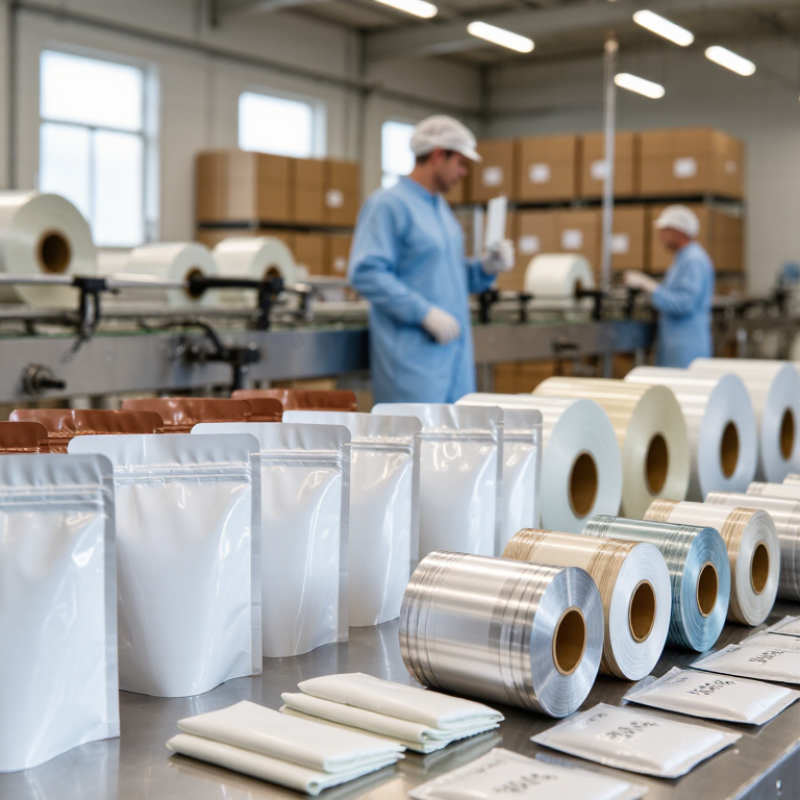
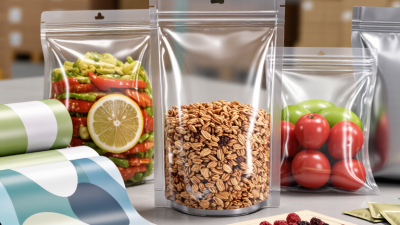
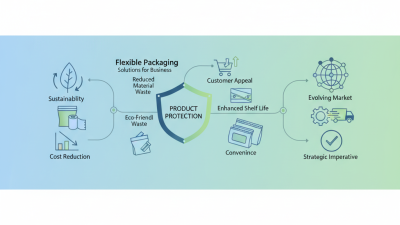
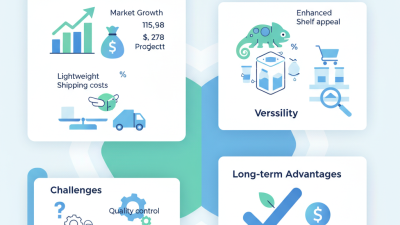
Global buyers increasingly seek flexible packaging solutions that protect products, reduce shipping weight, and support practical brand presentation. China has become a major sourcing hub for pouches, rolls, sachets, and laminated films. Its strength is not limited to factory scale. Experienced manufacturers also combine material knowledge, printing control, and responsive customization. A coffee pouch may need high barrier protection, while a frozen food bag needs dependable sealing after temperature changes. These details matter.
Selecting a supplier requires more than comparing quoted prices. Buyers should review film structures, ink systems, seal performance, production records, and sampling procedures. A reliable partner can explain why PET, PE, BOPP, EVOH, or aluminum foil fits a specific application. They should also provide test data where appropriate, including seal strength, oxygen transmission, and drop resistance. Clear communication helps prevent costly assumptions. Still, no supplier is perfect. Samples can perform differently from mass production when controls are weak. The market is not flawless.
This guide examines China’s flexible packaging capabilities from a buyer’s perspective. It considers customization, quality assurance, sustainability claims, lead times, and export coordination. Practical questions receive attention. Does the package run smoothly on existing equipment? Can color remain consistent across repeat orders? Are specifications documented and traceable? Buyers should verify certifications independently and confirm requirements in their destination markets. Good packaging protects products. Better packaging also protects trust. The strongest sourcing decision balances price, evidence, performance, and long-term service.
Flexible packaging uses films, foils, papers, or laminates that bend around products. Unlike rigid containers, it changes shape during filling, transport, and storage. Common structures include polyethylene, polypropylene, polyester, aluminum foil, and barrier coatings.
Core product categories include stand-up pouches, flat sachets, rollstock film, flexible bags, lidding film, and vacuum packs. Each serves a different protection need. High-barrier laminates help resist oxygen, moisture, light, and aroma loss. The Flexible Packaging Association reported U.S. industry sales of about $39.8 billion in 2023. Smithers also expects continued global growth through 2028, driven by lightweight formats and portion control. These figures show demand, but they do not remove design compromises. More layers can improve protection, yet they may complicate recycling.
China-based flexible packaging suppliers often support global buyers with custom sizes, gravure or digital printing, resealable zippers, spouts, and multiple sealing options. Experienced buyers should review seal strength, coefficient of friction, migration testing, and shelf-life evidence. A pouch that looks excellent may still fail on a fast filling line. That is an easy mistake.
Tips: Request a complete technical data sheet, migration documents, and a production sample. Test the sample with your actual product and filling equipment. Specify the target market, storage temperature, barrier level, and end-of-life requirements before approving artwork. A lower price is not always a lower total cost.
China Top Flexible Packaging Solutions for Global Buyers
Key Materials Used in Chinese Flexible Packaging Manufacturing
Chinese flexible packaging manufacturers commonly combine polymers, paper, foil, adhesives, and printing inks. Each material serves a specific purpose during converting, filling, transport, and storage.
Polyethylene, or PE, provides heat sealing and useful moisture resistance. Polypropylene, including cast and biaxially oriented grades, adds stiffness and clarity. Polyester film, known as PET, supports dimensional stability and high-quality surface printing. Polyamide film, often called nylon, improves puncture resistance for demanding applications. However, it can absorb moisture, so designers must evaluate humidity carefully.
Aluminum foil delivers strong protection against light, oxygen, and water vapor. It suits products that need extended barrier performance. Paper offers a natural appearance and good printability, but it usually needs a coating or laminated layer for stronger moisture resistance. Multilayer structures may use solvent-free or water-based adhesives. Ink selection also matters because rub resistance and migration control affect packaging reliability.
In production audits, buyers should examine film thickness, seal strength, coefficient of friction, and bond performance. Requesting material specifications and test reports improves traceability. Samples should face realistic conditions, including heat, pressure, and transportation movement. A perfect structure does not exist. Some designs still require compromise between cost, recyclability, barrier protection, and machine speed. That assumption deserves review before mass production.
Flexible packaging commonly combines several substrates to balance sealability, strength, printability, moisture resistance, oxygen protection, and cost. The chart shows typical commercial thickness ranges used for major packaging materials; actual specifications vary by application and laminate structure.
China’s flexible packaging manufacturers support varied product formats, from stand-up pouches to rollstock and sachets. Custom dimensions help reduce empty space and improve shelf presentation. Buyers can select laminate structures based on moisture, oxygen, light, and aroma protection needs. Material choices may include PET, PE, BOPP, aluminum foil, and mono-material films. Each option requires practical testing.
Rotogravure, flexographic, and digital printing serve different order sizes and artwork requirements. Color proofs should be checked under consistent lighting before mass production. Ink adhesion, barcode clarity, and fine text remain important quality points. A glossy finish may look premium, but fingerprints can reduce its appeal.
Zippers support repeated use, while tear notches improve opening control. Spouts suit liquid products, and hang holes help smaller packs stand out. High-barrier structures can protect sensitive contents during long-distance shipping. However, stronger protection may increase cost or complicate recycling. Local collection systems also affect sustainability claims. A recyclable structure in one market may lack suitable infrastructure elsewhere.
Packaging dimensions should be checked with the filling machine, not only on paper. We have seen attractive designs fail because the seal area was too narrow. Small revisions can prevent larger production problems.
Global buyers need more than attractive film and low quotations. Quality begins with a controlled production system. The ISO Survey 2023 recorded over 1.26 million valid ISO 9001 certificates worldwide. This figure shows how widely quality management has become expected, not exceptional. A capable Chinese packaging producer should provide current ISO 9001 and ISO 14001 certificates. Food-contact projects may also require recognized packaging hygiene certification and migration testing.
Production capability must match the application. Ask whether the factory controls resin drying, ink viscosity, lamination pressure, curing time, and sealing strength. Modern lines may include multi-layer extrusion, solventless lamination, gravure printing, and 100% online defect inspection. Test reports should cover tensile strength, coefficient of friction, seal integrity, oxygen transmission, and moisture transmission. The 2024 Flexible Packaging Association industry report valued the United States flexible packaging market at approximately 39.5 billion dollars. Large demand increases the need for stable capacity and documented traceability.
Tips: Request a recent audit report, batch certificate, and sample test results. Confirm calibration dates for laboratory instruments. Check whether production records identify operators, materials, and inspection times. A certificate alone is not proof. I have seen impressive samples hide weak process control. Ask for a pilot order and compare results across three batches. Perfect consistency is difficult, but unexplained variation should never be accepted.
| Packaging Solution | Typical Materials and Structures | Common Specifications | Production Capabilities | Quality Standards and Tests | Global Buyer Considerations |
|---|---|---|---|---|---|
| Stand-Up Pouches | PE, PET/PE, PET/MPET/PE, PET/AL/PE, or recyclable mono-PE structures, selected according to barrier and recycling requirements. | Typical film thickness: 70–180 microns. Common formats include zipper, spout, corner-spout, and shaped pouches. | Rotogravure or digital printing; heat sealing; zipper insertion; spout welding; laser or mechanical tear notches; rounded or custom die-cut corners. | Seal strength testing; drop testing; visual inspection; dimensions; zipper or spout functionality; ASTM F88/F88M where applicable. | Suitable for snacks, pet food, liquid refills, powders, personal-care products, and household products. Confirm filling temperature and product compatibility. |
| Flat Pouches and Three-Side-Seal Bags | PE, PET/PE, OPP/CPP, PET/CPP, metallized laminates, and high-barrier foil laminates. | Typical film thickness: 60–150 microns. Available with tear notches, hang holes, windows, and easy-open features. | High-speed forming and sealing; multi-lane pouch production; customized dimensions; cold-seal or heat-seal options when compatible with the product. | Seal integrity, burst resistance, coefficient of friction, print registration, and barrier testing according to agreed specifications. | Commonly used for single-serve food, healthcare samples, wipes, detergents, and promotional packs. Define the required filling and sealing equipment interface. |
| Rollstock and Forming Film | Printed or unprinted PET/PE, OPP/CPP, PA/PE, EVOH-containing films, metallized films, and aluminum foil laminates. | Typical web width: 100–1,600 mm. Typical thickness: 40–200 microns, depending on structure and application. | Surface or reverse printing; solvent-based or solvent-free lamination; slitting; corona treatment; registration control; custom winding direction. | Film thickness, tensile strength, elongation, seal initiation temperature, coefficient of friction, oxygen transmission rate, and water-vapor transmission rate. | Confirm roll diameter, core size, unwind direction, sealing window, web tension, and compatibility with vertical or horizontal form-fill-seal equipment. |
| Vacuum and Retort Pouches | PA/PE for vacuum packaging; PET/PA/CPP or PET/AL/PA/CPP structures for retort applications, subject to validated processing conditions. | Typical thickness: 80–200 microns. Retort capability commonly requires validated exposure at approximately 121°C, depending on the specification. | High-strength sealing; puncture-resistant structures; vacuum pouch production; retort-compatible adhesive and ink systems where required. | Puncture resistance; seal strength; delamination inspection; retort testing; vacuum leak testing; ASTM F88/F88M and relevant buyer protocols. | Used for meat, seafood, ready meals, and sauces. The buyer should provide sterilization temperature, time, pressure, filling weight, and shelf-life targets. |
| High-Barrier Packaging | Aluminum foil laminates, metallized PET or BOPP, transparent oxide-coated films, and EVOH-containing structures. | Typical oxygen transmission rate: selected from below 0.1 to several cm³/m²/day. Typical water-vapor transmission rate: selected from below 0.1 to several g/m²/day, depending on structure and test conditions. | Barrier film lamination; controlled curing; pinhole inspection for foil structures; customized barrier levels for oxygen, moisture, aroma, and light protection. | OTR testing commonly referenced to ASTM D3985 or ISO 15105-1; WVTR testing commonly referenced to ASTM F1249 or ISO 15106-2. | Barrier values must always include test temperature, relative humidity, film thickness, and test method because results vary significantly with conditions. |
| Recyclable Mono-Material Films | PE-based or PP-based structures designed to reduce material diversity while maintaining printability, machinability, and sealing performance. | Typical thickness: 70–180 microns. Barrier performance depends on coatings, metallization, EVOH content, and the applicable recycling design rules. | Mono-material extrusion or lamination; compatible sealant layers; digital or gravure printing; zipper and spout integration subject to design validation. | Seal strength, tensile properties, puncture resistance, recyclability assessment, migration testing, and compatibility with the target recycling stream. | Recyclability claims should be supported by the destination market’s current guidelines and, where required, third-party assessment or certification. |
| Printed Film and Decorative Finish | OPP, PET, PE, CPP, metallized films, foil laminates, and coated films with solvent-based, water-based, or low-migration ink systems. | Rotogravure printing commonly supports up to 8–10 colors; digital printing is suitable for short runs, variable data, and multiple designs. | Color management; barcode and QR-code verification; matte, gloss, soft-touch, spot-varnish, and tactile effects; surface or reverse printing. | Color difference control using agreed references; rub and scuff resistance; ink adhesion; print registration; barcode readability; migration review for food contact. | Buyers should approve a color standard, proofing method, tolerances, artwork files, and barcode requirements before mass production. |
| Food-Contact Compliance | Material selection depends on the destination market, food type, temperature, contact time, and packaging structure. | Compliance documentation is normally structure-specific rather than based only on an individual film layer. | Supplier documentation may include declarations of compliance, raw-material statements, migration reports, and batch traceability records. | Common frameworks include EU food-contact requirements, U.S. FDA regulations where applicable, and China GB standards such as GB 4806 series requirements. | The importer remains responsible for confirming the applicable legal requirements in the destination country and for ensuring that the final structure is covered. |
| Management Certifications | Certification scope may cover quality management, environmental management, occupational health and safety, or food-safety packaging production. | Commonly requested systems include ISO 9001, ISO 14001, ISO 45001, and BRCGS Packaging Materials, depending on the buyer’s risk assessment. | Documented procedures may include incoming inspection, process controls, corrective actions, complaint handling, traceability, and internal audits. | Certification validity, scope, issuing body, site address, and covered product categories should be checked in the current certificate. | Certifications are site- and scope-specific. Buyers should request current copies and verify that the certificate covers the actual production location. |
| Quality Control and Traceability | Quality plans can cover raw films, inks, adhesives, laminates, finished rolls, pouches, and shipping cartons. | Typical controls include sampling plans, approved specifications, retained samples, lot coding, and batch-level production records. | Online thickness monitoring, visual inspection, seal testing, laboratory barrier testing, roll-length verification, and foreign-material control may be available. | Recommended records include certificate of analysis, inspection report, production lot, material batch, operator identification, and nonconformance disposition. | Agree on acceptable quality limits, sampling levels, inspection methods, claim windows, and document formats before purchase-order approval. |
| Typical Commercial Parameters | Pricing depends on material structure, film gauge, print colors, pouch dimensions, order volume, special components, and testing requirements. | Indicative minimum order quantities often range from several thousand to tens of thousands of pieces for customized pouches; rollstock quantities vary by width and material. | Prototype or digital-print samples may be available before gravure-cylinder production. Mass production schedules depend on artwork approval and material availability. | Pre-production approval, first-article inspection, inline checks, and final inspection can be incorporated into the quality agreement. | Request a complete quotation with Incoterms, pallet configuration, carton details, lead time, tooling or cylinder charges, and validity period. |
| Export Packing and Logistics | Finished pouches and rolls are commonly packed in moisture-resistant inner packaging with protective cartons or pallets. | Carton and pallet dimensions should be optimized for container loading, warehouse handling, and the buyer’s distribution system. | Export labeling can include product code, lot number, quantity, net weight, gross weight, production date, and handling instructions. | Pre-shipment checks may include carton count, roll direction, label accuracy, pallet stability, moisture protection, and container condition. | Define destination-country marking, pallet material requirements, fumigation documentation, shipping marks, and required export documents in advance. |
Global buyers now evaluate Chinese flexible packaging suppliers beyond quoted price. Smithers’ 2024 industry analysis expects the global market to grow by roughly 3% annually through 2028. That growth increases supplier choice and verification pressure. Buyers should request machine lists, monthly capacity, substrate specifications, and recent production samples. A clear sample trail matters.
Audit the details behind every claim. Check migration testing, ink and adhesive declarations, traceability records, and change-control procedures. For food-contact packaging, request current laboratory reports linked to the exact structure and production site. ISO 9001 certification helps, but it does not replace a site audit. Request batch codes on sample rolls. Compare seal strength, coefficient of friction, gauge variation, and print registration. These small checks expose large risks. No spreadsheet catches everything.
Sustainability needs harder evidence. The OECD Global Plastics Outlook reports that only 9% of plastic waste was recycled globally in 2019. Buyers should challenge vague “recyclable” claims. Ask whether the structure meets a defined recycling pathway. Request test methods, recycled-content evidence, and disposal guidance. Delivery reliability also deserves numbers, including on-time performance and corrective-action closure. Price still matters. It should not be the first filter. A supplier may present polished samples yet show weak process discipline. That uncomfortable possibility deserves a pilot order, measured inspection, and documented review before scale-up.