

Global shipping turns a simple parcel into a test of planning. A carton may face rain in Singapore, dry air in Dubai, and rough transfers in Rotterdam. The right package materials must protect the product without creating unnecessary weight, cost, or waste.
This guide examines seven practical choices used across international supply chains. Corrugated cardboard suits many everyday goods. Kraft paper adds cushioning for lighter items. Molded pulp can support fragile products while offering a more responsible option. Foam protects sensitive surfaces, but its disposal concerns deserve honest attention. Bubble cushioning remains useful for glass and electronics, although it can consume more space. Wooden crates provide strength for heavy equipment, yet they require careful preparation and documentation. Reusable plastic containers may reduce repeat-shipping waste, but their value depends on return logistics.
Real shipping decisions are rarely perfect. A thicker box is not always safer. It may increase dimensional weight and invite higher freight charges. Material performance also changes with humidity, temperature, stacking pressure, and handling time. Testing matters. A small drop test, a vibration check, and a realistic seal inspection can reveal weaknesses before departure.
Recommendations in this article draw on packaging practice, transport risks, and widely recognized sustainability principles. They are not universal rules. Product fragility, route conditions, budget, and destination requirements still shape the final choice. Strong packaging protects more than merchandise. It protects customer trust.
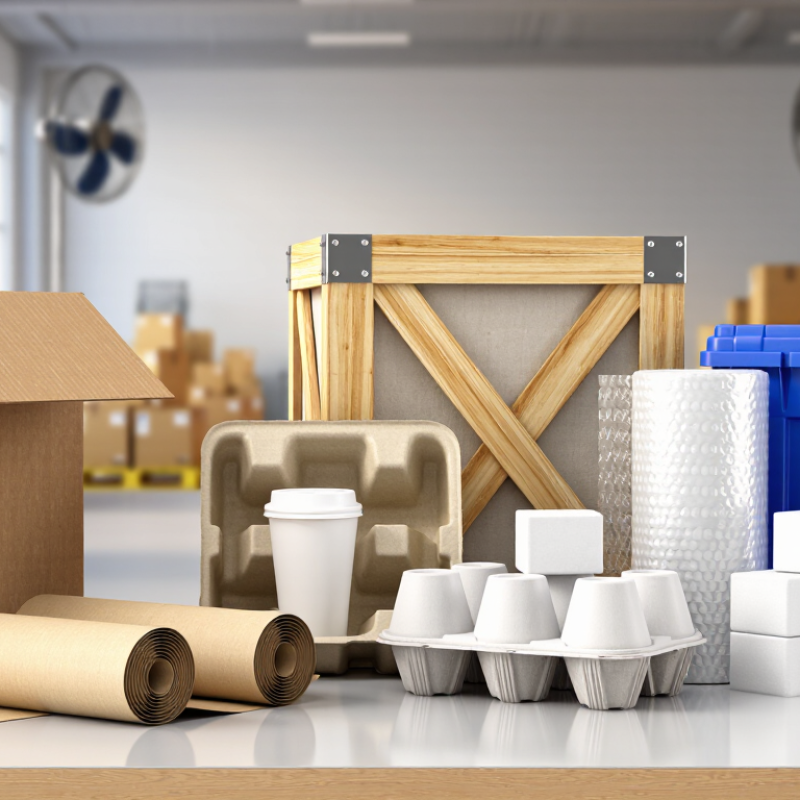
Choosing among corrugated cardboard, molded pulp, paperboard, honeycomb board, foam, reusable plastic, and wooden crates requires evidence, not appearance. I evaluate each material against product weight, dimensions, fragility, route length, and handling points. A thin paperboard carton may suit light goods, while reinforced corrugated cardboard handles greater compression. Foam protects delicate corners, but it can increase volume and disposal concerns. Wooden crates provide strength for heavy equipment, yet moisture control remains essential during long journeys.
I begin with a practical trial using the actual product, accessories, and labels. Drop it. Then measure. I check corner damage, crushed panels, shifting contents, and seal failure after repeated handling. Compression testing matters when cartons may be stacked in warehouses or vehicles. I also expose samples to humidity and temperature changes. A package that survives a dry indoor test may soften after days in a damp port environment.
Cost alone gives a misleading answer. I compare protection per shipment, material weight, storage space, and packing labor. Supplier consistency matters too; small thickness changes can affect performance. I once approved a lightweight design because it reduced freight costs. It failed during a rough transfer. That mistake reminded me to test the complete packaging system, not just the material sample. Better decisions come from recorded results, route-specific risks, and honest review of failures.
| Package Material | Typical Global-Shipping Applications | Protection Performance | Moisture Resistance | Relative Weight | Recyclability / End-of-Life | Main Advantages | Main Limitations | Evaluation Priority |
|---|---|---|---|---|---|---|---|---|
| Corrugated Fiberboard | Shipping cartons, mailer boxes, inner partitions and protective inserts for general merchandise. | Good compression and stacking performance when the board grade and box design are correctly selected. |
Low to moderate unless treated; humidity can reduce compression strength. | Light | Widely recyclable through paper and cardboard recycling systems when clean and dry; recycling access varies by destination. | Good strength-to-weight ratio, printable, widely available, flat-packable and easy to customize. | Can soften in high humidity; excessive void space may increase dimensional weight and transport cost. | Best general-purpose option for most non-fragile and moderately fragile products. |
| Molded Pulp | Protective trays, corner supports, end caps and fitted cushioning for electronics, glassware and household products. | Effective for shape-specific cushioning and vibration control when properly engineered. |
Low to moderate; untreated fiber can absorb moisture and lose rigidity. | Light to medium | Usually recyclable with paper fibers and often compostable under suitable local conditions; coatings and additives can affect disposal. | Fiber-based, formable, nestable and suitable for replacing some plastic cushioning components. | Less suitable for prolonged wet conditions; tooling may be required for custom shapes. | Best when sustainability, product fit and cushioning geometry are important. |
| Honeycomb Paperboard | Edge protection, load-spreading panels, pallet-layer separators, book wraps and large flat-product protection. | Strong in compression and useful for absorbing distributed impact across broad surfaces. |
Low to moderate unless covered or treated; paper cells can weaken when saturated. | Light | Generally recyclable with paper products if free from incompatible laminates, adhesives or contamination. | High stiffness at low weight, renewable fiber content and efficient use as a void filler or separator. | Provides limited protection against concentrated impacts and may require a facing layer. | Best for flat, broad or heavy items that need separation and load distribution. |
| Expanded Polyethylene Foam | Reusable sleeves, corner blocks, cushioning pads and protection for precision parts, furniture and sensitive surfaces. | Good resilience, abrasion protection and repeated-impact performance. |
High; closed-cell structure resists water absorption better than open-cell foams. | Light | Recycling availability is limited and depends on local collection systems; should not be placed in paper recycling. | Reusable, flexible, moisture-resistant and effective for protecting finished surfaces from scratches. | Higher material cost than basic paper cushioning; bulky and not accepted in all recycling programs. | Best for moisture-sensitive, reusable or high-value products requiring resilient cushioning. |
| Expanded Polystyrene Foam | Custom-fit end caps, insulated shipping containers and cushioning for fragile or temperature-sensitive goods. | Very effective for impact absorption and lightweight thermal insulation. |
High; closed-cell construction provides good resistance to water absorption. | Very light | Technically recyclable, but collection infrastructure is limited in many regions; local regulations may restrict disposal or use. | Excellent cushioning-to-weight ratio, low moisture uptake and useful thermal insulation. | Brittle under some impacts, bulky for storage and difficult to recycle in many markets. | Best where impact protection or thermal insulation outweighs end-of-life and storage concerns. |
| Plastic Air Pillows | Void filling and lightweight cushioning inside corrugated shipping cartons. | Useful for preventing movement, but less suitable for heavy items, sharp edges or high compression loads. |
High | Very light | Usually made from polyethylene film; recycling depends on local flexible-plastic collection and clean-film processing. | Very low shipping weight, compact storage before inflation and efficient void filling. | Can puncture easily; may shift during transport and generally provides less structural support than foam or molded inserts. | Best for lightweight products that need economical void fill rather than heavy-duty cushioning. |
| Wooden Crates and Pallets | Heavy machinery, industrial components, oversized cargo and consolidated freight moving through sea, air or land networks. | Provides strong structural support, stacking capability and protection against rough handling. |
Moderate; wood can absorb moisture, swell or develop mold unless protected and properly dried. | Heavy | Reusable and repairable; disposal and reuse depend on condition and local wood-waste systems. | High load capacity, strong impact resistance and suitability for irregular or very heavy products. | Increases shipment weight and volume; international shipments may require compliant wood packaging treatment and marking. | Best for heavy, oversized or high-value cargo requiring rigid structural protection. |