Top 10 Sustainable Packaging Solutions for a Greener Future?
As the world confronts the pressing issues of climate change and environmental degradation, the call for sustainable packaging solutions has never been more critical. Traditional packaging materials contribute significantly to pollution and waste. Many consumers now seek brands that prioritize eco-friendly practices. In response, businesses are exploring innovative ways to reduce their environmental footprint.
This article highlights the top 10 sustainable packaging solutions reshaping industries today. These solutions vary from biodegradable materials to reusable formats. Each option presents unique benefits and challenges. For instance, while some materials break down quickly, others require specific conditions for degradation. There remains much to learn and improve.
Companies may face obstacles when implementing these solutions. Not every product can seamlessly transition to greener options. Cost and availability often pose significant hurdles. However, moving towards sustainable packaging solutions is not just a trend; it’s a necessity for a healthier planet. Let’s explore these exciting possibilities and the realities they bring.

Overview of Sustainable Packaging and Its Importance
Sustainable packaging is crucial for protecting our environment. With increasing waste, traditional packaging materials harm ecosystems. Plastics and non-recyclable materials linger for centuries, polluting land and sea. This reality drives the need for alternatives that prioritize environmental health.
Biodegradable materials, such as plant-based plastics, offer a promising solution. They break down naturally, reducing landfill contributions. However, not all biodegradable options are created equal. Some still rely on specific conditions for decomposition, which can complicate efforts. Recyclable packaging is another key player, allowing for reuse of materials. Still, only a small percentage gets recycled effectively.
Consumer habits can also hinder progress. Many individuals are unaware of proper recycling practices. Education is essential for fostering a mindset towards sustainability. As we explore new packaging solutions, we must remain mindful of their lifecycle. Each choice we make impacts the planet significantly.
Top 10 Sustainable Packaging Solutions for a Greener Future
| Packaging Solution |
Material Type |
Recyclability |
Carbon Footprint Reduction (%) |
Usage Examples |
| Biodegradable Plastics |
PLA, PHA |
Yes |
30% |
Food Packaging |
| Recycled Cardboard |
Cardboard |
Yes |
50% |
Shipping Boxes |
| Mushroom Packaging |
Mycelium |
Yes |
75% |
Electronics Packaging |
| Compostable Films |
PBAT, PLA |
Yes |
40% |
Grocery Bags |
| Glass Containers |
Glass |
Yes |
20% |
Beverage Bottles |
| Bamboo Packaging |
Bamboo |
Yes |
60% |
Cosmetic Packaging |
| Plant-Based Inks |
Soy, Linseed |
Yes |
15% |
Labels and Prints |
| Edible Packaging |
Gelatin, Seaweed |
Yes |
90% |
Food Wraps |
| Returnable Transport Packaging |
Plastic, Wood |
Yes |
25% |
Industrial Use |
| Sealed Cellulose Packaging |
Cellulose |
Yes |
50% |
Food Items |
Biodegradable Materials: A Key Component of Eco-Friendly Packaging
Biodegradable materials are vital for eco-friendly packaging. They break down naturally and reduce landfill waste. Unlike traditional plastics, these materials can decompose quickly and minimize environmental impact. Examples include plant-based plastics and compostable papers. These alternatives power the movement towards sustainability.
Despite the promise of biodegradable materials, not all are perfect. Some still require specific conditions to break down fully. This poses challenges in recycling systems. Many consumers are unaware of these limitations, leading to confusion. A shift in awareness is crucial for effective implementation.
Furthermore, adopting biodegradable solutions can be costly for manufacturers. This may deter companies from switching away from conventional packaging. It raises questions about affordability and accessibility. Companies must evaluate the trade-offs between cost and environmental responsibility. Balancing these factors is essential for a greener future.
Top 10 Sustainable Packaging Solutions for a Greener Future
This chart displays the top biodegradable materials used in sustainable packaging solutions, showcasing their growing importance in the eco-friendly packaging landscape.
Innovative Reusable Packaging Solutions Reducing Waste
Innovative reusable packaging solutions are changing the way we think about waste. Many companies are now focusing on materials like plant-based plastics and recycled textiles. These materials help reduce environmental impact while still providing functionality. They can be used multiple times, cutting down on single-use waste.
Some reusable packaging designs are quite clever. For instance, collapsible containers save space and can be easily transported. Additionally, some packaging options are designed to be returned to retailers. This creates a circular economy, benefiting both consumers and businesses. However, challenges remain. Not all consumers embrace these alternatives yet. Education and awareness are key in encouraging a widespread change.
Another interesting idea involves smart packaging. Certain designs include QR codes or chips, allowing users to track the lifecycle of the product. This promotes accountability and recycling. Yet, practicality can be an issue. Not every solution works seamlessly in everyday life. As innovations continue, it is essential to assess their real impact on sustainability efforts. The journey toward a greener future is ongoing and requires collective effort.
Plant-Based Packaging: Harnessing Nature for Sustainability
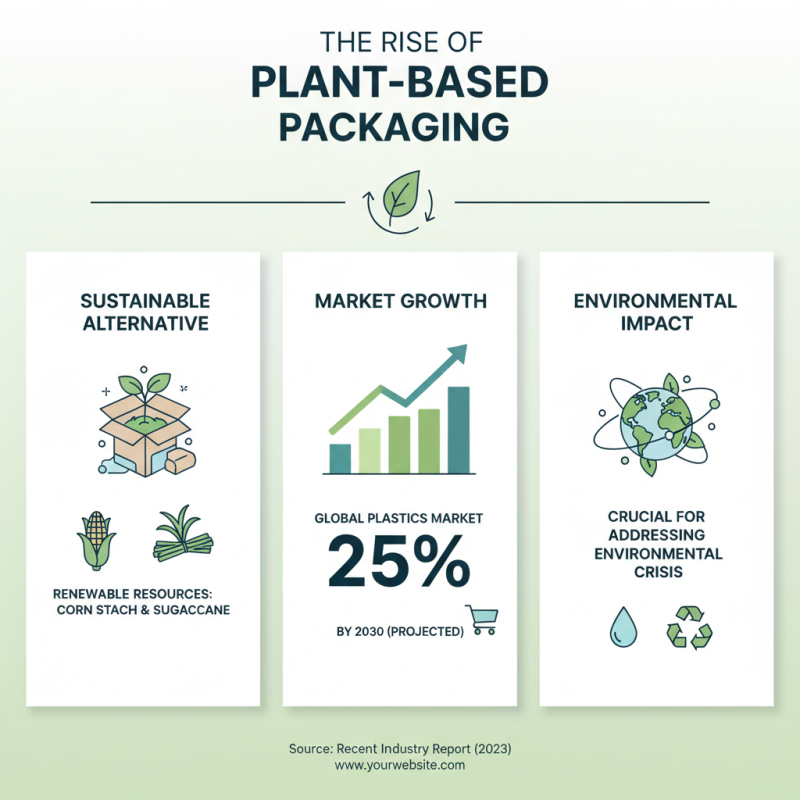
Plant-based packaging is gaining traction as a sustainable alternative to traditional materials. This innovative approach harnesses renewable resources, like corn starch and sugarcane. According to a recent industry report, bioplastics could account for 25% of the global plastic market by 2030. This shift towards greener solutions is crucial for addressing the environmental crisis we face today.
Many consumers are unaware of the environmental impact of their packaging choices. Traditional plastic takes centuries to degrade. In contrast, plant-based packaging is compostable and can break down within months under the right conditions. This means less waste in landfills and oceans. It's a promising step in reducing our carbon footprint.
**Tip:** Consider switching to products with plant-based packaging. Look for certifications that guarantee compostability.
Still, challenges remain in the production processes. Some plant-derived materials may require significant water and energy to produce. This creates a dilemma about resource use versus environmental benefits. Not all plant-based options are equally sustainable, and that's an area needing reflection.
**Tip:** Research the lifecycle of packaging materials before purchasing. Understanding their impact can guide better choices.
The Role of Recyclable Materials in Sustainable Packaging Practices
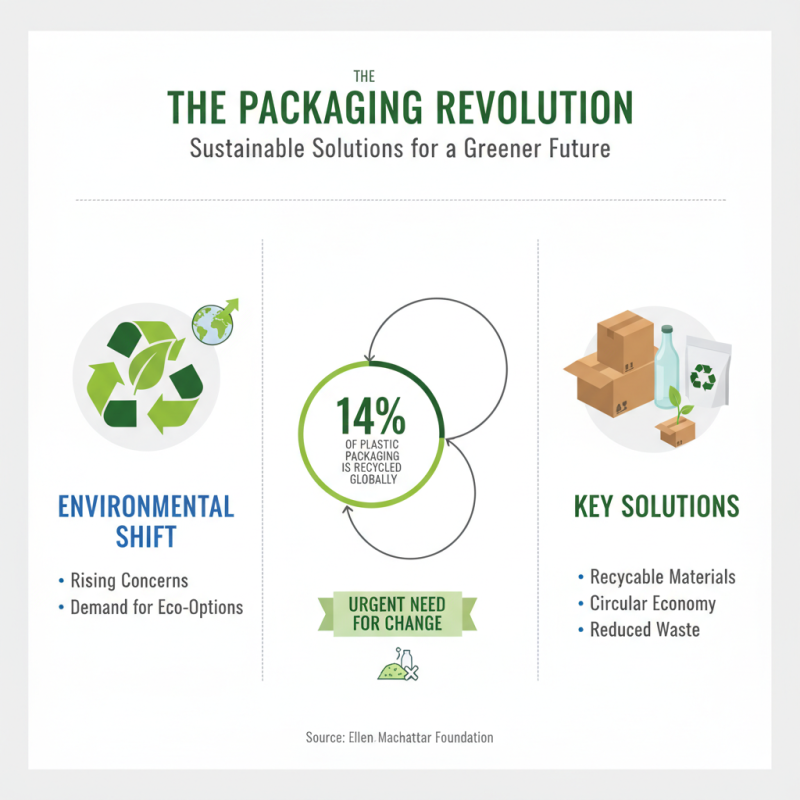
Sustainable packaging is gaining traction as environmental concerns rise. Recyclable materials play a significant role in this shift. According to the Ellen MacArthur Foundation, only 14% of plastic packaging is recycled globally. This stark figure highlights the urgent need for better practices.
Using recyclable materials can dramatically reduce waste. For instance, paper and cardboard packaging can be recycled up to seven times before they lose quality. However, many consumers still struggle with recycling. Education is key. Simple tips, like rinsing containers before recycling, can improve recycling rates.
It's important to recognize that not all recyclable materials are created equal. Contamination often leads to entire batches being discarded. Implementing clear labeling can guide consumers effectively. On the manufacturing side, companies need to prioritize sourcing materials that can be recycled easily. This may require revisiting supply chains and production methods.