10 Tips to Help Packaging Stand Out in a Competitive Market?

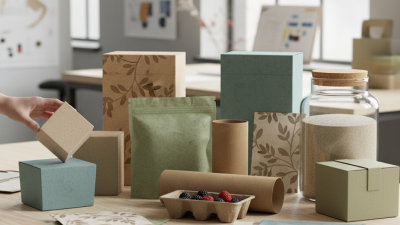
In today’s competitive market, businesses need to stand out. Studies show that 72% of consumers judge products by their packaging. This statistic emphasizes the importance of how we present our goods. Packaging is not just a protective layer; it is a critical aspect of branding. To effectively help packaging make an impact, companies must embrace innovative designs.

Data also reveals that a striking package can increase sales by up to 30%. However, many brands fail to use this potential. They often overlook consumer preferences or rely on outdated styles. This disconnect could lead to missed opportunities. We need to rethink how we engage the customer with packaging. Colors, textures, and sustainability can all play key roles.

Moreover, understanding target demographics is essential. Different age groups respond to varied aesthetics. Some might prefer eco-friendly materials, while others might be drawn to luxurious finishes. It’s a constant learning process. Businesses must continue to adapt and refine their strategies. Only then can they truly help packaging shine in a crowded marketplace.
10 Tips to Help Packaging Stand Out in a Competitive Market?

The Importance of Unique Packaging Design in Consumer Decision-Making

10 Tips to Help Packaging Stand Out in a Competitive Market?

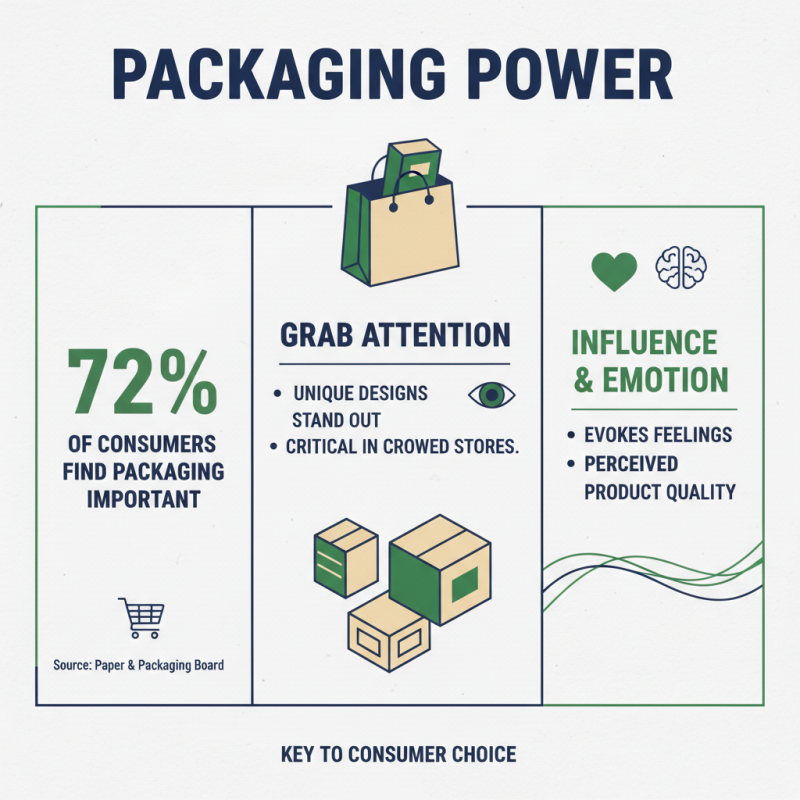
In today’s competitive market, packaging design plays a critical role in consumer decision-making. A study by the Paper and Packaging Board revealed that 72% of consumers find product packaging important when making a purchase. Unique packaging grabs attention, especially in crowded retail spaces. It can evoke emotions and influence perceptions about the product's quality.

Consider the psychological aspect of color and shape. For instance, studies suggest that colors can affect purchasing behavior by up to 85%. People associate certain colors with feelings, which can inspire trust or excitement. Yet, not every design choice hits the mark. Designers must reflect and analyze their audience's preferences and trends. The right packaging can be a game-changer, while poor choices may lead to product invisibility.

Additionally, sustainability is becoming increasingly significant. A survey from Nielsen found that 66% of consumers are willing to pay more for sustainable brands. However, some companies struggle to balance eco-friendliness with aesthetic appeal. It's a complex challenge that requires creativity and insight. Consumers today expect innovation in packaging, but not all companies rise to meet these expectations.


Leveraging Color Psychology to Enhance Product Visibility on Shelves

Color psychology plays a vital role in packaging design. Research shows that 85% of consumers make purchases based on color. It's a powerful tool for brands looking to stand out in crowded marketplaces. For instance, red often evokes excitement and urgency. It can drive immediate action, making it popular among food brands.

On the other hand, blue is associated with trust and calmness. It's frequently used in banking and healthcare packaging. Understanding these emotional triggers can enhance product visibility on shelves. Yet, using color effectively is not always easy. An overly saturated design may overwhelm consumers, leading to negative perceptions. Balancing colors with brand identity is crucial.

Data from a recent industry report revealed that products with consistent color usage across packaging see an increase in brand recognition by 80%. However, relying solely on trendy colors may not ensure long-term success. Trendy shades might fade, leaving brands disconnected from their audience. It's essential to find a balance.

Sustainable Packaging Solutions: Meeting Consumer Demand for Eco-friendliness

Consumers increasingly prioritize eco-friendly products. Sustainable packaging meets this demand. Brands can benefit from innovative designs that reduce environmental impact. Consider biodegradable materials or plant-based plastics. They offer a fresh, green alternative.

Design is crucial. Packaging must be functional yet appealing. Colors and shapes can attract attention. However, if packaging is too complex, it may confuse consumers. Simplicity can sometimes enhance the message. Authenticity counts, so transparency about materials is vital.

Sustainable packaging does not mean compromising on quality. Some materials may lack durability. Testing is essential to ensure they protect the product. It’s a balancing act. Brands should continually seek improvements. Customer feedback can guide better choices. Each step taken encourages a more eco-conscious mindset in the market.

10 Tips to Help Packaging Stand Out in a Competitive Market

Tip No. Strategy Description Benefits
1 Use Eco-friendly Materials Opt for biodegradable or recyclable materials. Appeals to eco-conscious consumers and reduces environmental impact.
2 Innovative Design Create unique shapes or packaging that stands out on shelves. Increases visibility and attractiveness to buyers.
3 Clear Information Ensure that labels provide essential product information clearly. Builds trust and ensures compliance with regulations.
4 Minimalist Design Use simple, clean designs that convey messages effectively. Can attract a modern audience and emphasize product quality.
5 Storytelling Packaging Incorporate narratives that connect consumers to the brand. Enhances emotional connection with consumers.
6 Personalization Allow customers to customize packaging for a personal touch. Encourages customer loyalty and enhances user experience.
7 Sustainable Supply Chain Source materials from sustainable suppliers to ensure eco-friendliness. Promotes corporate responsibility and attracts eco-aware consumers.
8 Voucher and Incentives Include discount vouchers or QR codes for promotions. Drives sales and encourages repeat purchases.
9 Transparent Packaging Showcase product inside packaging to entice customers. Builds trust and encourages impulse buying.
10 Feedback Loop Engage customers for feedback on packaging effectiveness. Helps improve future packaging designs based on real user input.

Utilizing Innovative Materials to Differentiate Products in the Market

In today’s competitive market, utilizing innovative materials can be a game-changer for packaging. Reports show that 73% of consumers prefer sustainable packaging. This presents a huge opportunity for brands to stand out. For instance, biodegradable materials are gaining traction. They not only reduce waste but also appeal to eco-conscious consumers. Brands can explore options like mushroom-based packaging or seaweed wraps. These choices are not only attractive but also provide a unique selling proposition.

Furthermore, the tactile experience of packaging plays a significant role. Textures such as soft-touch finishes or embossed elements can elevate a product. According to a study, 56% of consumers are willing to pay more for products with premium packaging. This highlights the importance of making packaging memorable. However, there's a challenge: balancing cost and innovation. Some companies struggle with higher production costs for innovative materials. It requires careful planning and creativity to make the budget work. Not every attempt at unique packaging yields success. It’s crucial to test and gather feedback.

10 Tips to Help Packaging Stand Out in a Competitive Market

This chart illustrates various innovative packaging strategies that can help products stand out in a competitive market. Each strategy is rated on its importance level from 1 to 10, showcasing the emphasis on eco-friendly materials, unique designs, and vibrant colors.

Creating a Memorable Brand Story Through Packaging Elements and Graphics

10 Tips to Help Packaging Stand Out in a Competitive Market?

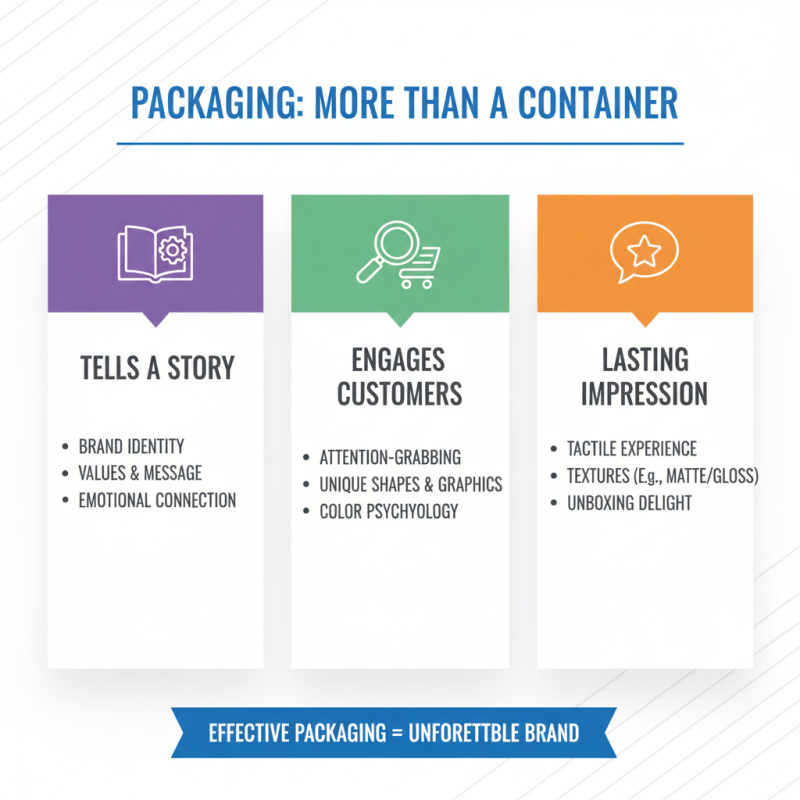
Packaging does more than just hold a product; it tells a brand's story. Effective packaging engages customers and leaves a lasting impression. Bold colors, unique shapes, and innovative graphics can instantly capture attention. Consider the impact of tactile materials. Textures can draw consumers in and create an emotional connection. For instance, a matte finish may evoke elegance, while a vibrant gloss can suggest energy.

Imagery is also crucial. An image can convey meaning quickly. It can reflect the essence of a brand, making it relatable. Think of storytelling through visuals. Every element, from fonts to colors, should align with the brand’s voice. Mistakes are common during the design process. Sometimes ideas don't work as expected. This requires reflection and adaptation. Collaboration with diverse creatives can spark new concepts. When a brand embraces imperfections, it can lead to genuine connections with the audience. Authenticity shines through, creating a memorable narrative.