What is Sustainable Packaging and Why Does It Matter for the Environment
In today's rapidly evolving consumer landscape, the concept of sustainable packaging has emerged as a pivotal focus for businesses and environmental advocates alike. As we face the dual challenges of climate change and resource depletion, the packaging industry is under increasing scrutiny to adopt practices that are not only environmentally friendly but also economically viable. Expert in sustainable practices, Dr. Jane Thompson, emphasizes the urgency of this transition, stating, "Sustainable packaging is not just a trend; it is a necessity for the health of our planet and future generations."
The significance of sustainable packaging goes beyond mere aesthetics; it encompasses an entire paradigm shift towards reducing waste, conserving resources, and minimizing the impact on ecosystems. With plastic pollution threatening marine life and landfills overflowing at an alarming rate, understanding the implications of our packaging choices becomes crucial. By exploring innovative materials and design practices, the industry is poised to redefine how products are packaged and perceived by consumers.
In this article, we will delve into the principles of sustainable packaging, its benefits for the environment, and the reasons why it is imperative for companies to embrace this change. By examining the latest trends and technologies, we aim to highlight the importance of sustainable packaging in fostering a more sustainable future.

What is Sustainable Packaging? A Comprehensive Definition and Overview
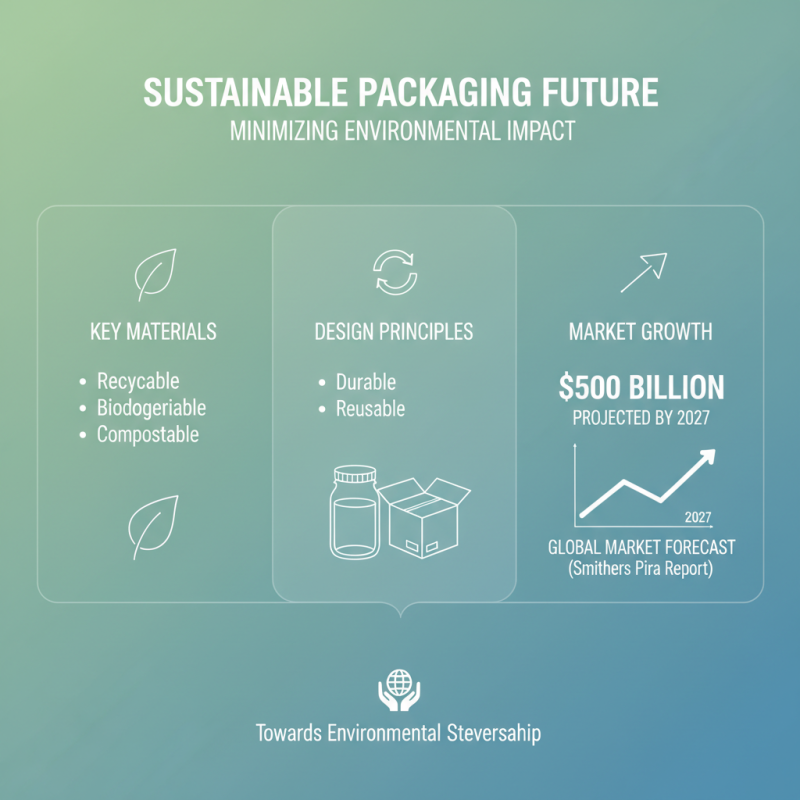
Sustainable packaging refers to the use of packaging solutions that have a minimal environmental impact and are designed to reduce waste. This concept encompasses materials that are recyclable, biodegradable, and compostable, as well as the development of packaging that is durable and reusable. According to a report by Smithers Pira, the global sustainable packaging market is projected to reach $500 billion by 2027, indicating a significant shift in consumer behavior and brand responsibility towards environmental stewardship.
One of the driving factors behind the adoption of sustainable packaging is the increasing awareness of the detrimental effects of traditional packaging materials, particularly single-use plastics. The World Economic Forum estimates that more than 300 million tons of plastic are produced each year, with a substantial portion ending up in oceans and landfills, where they can take centuries to decompose. Industries are responding by innovating sustainable alternatives, such as plant-based materials, which can significantly reduce carbon footprints. The Circular Economy Institute highlights that transitioning to sustainable packaging could lead to a reduction of up to 70% in packaging waste, presenting a vital opportunity for businesses to contribute positively to the environment while meeting the growing demands of eco-conscious consumers.
The Environmental Impact of Traditional Packaging: Key Statistics and Facts
Traditional packaging has a significant environmental footprint that cannot be ignored. According to recent statistics, approximately 30% of all solid waste in landfills is produced by packaging materials. In the United States alone, it is estimated that around 78% of plastic packaging is discarded after single-use. This overwhelming amount of waste contributes not only to the pollution of our land and waterways but also poses a threat to wildlife and marine ecosystems, which often mistake plastic debris for food.
The impact of traditional packaging extends beyond waste management. Production processes for materials like plastic and paper consume vast amounts of natural resources, including energy, water, and raw materials. For example, the manufacturing of plastic requires oil extraction and refining, contributing to greenhouse gas emissions. Furthermore, the deforestation associated with paper production disrupts habitats and negatively affects biodiversity. Given these stark statistics and facts, the shift towards sustainable packaging options has never been more critical, as it represents a crucial step toward mitigating these environmental challenges.
Types of Sustainable Packaging Materials: Comparisons and Benefits
Sustainable packaging encompasses a variety of materials and approaches that aim to minimize environmental impact throughout the packaging lifecycle. Some common types of sustainable packaging materials include biodegradable plastics, recycled paper, and plant-based packaging. Each of these materials has its own set of benefits and comparisons, making them suitable for different applications.
Biodegradable plastics decompose more quickly than traditional plastics, reducing landfill waste and marine pollution. They are often derived from renewable resources, which contributes to a lower carbon footprint. On the other hand, recycled paper is a widely used sustainable option that not only reduces the need for new raw materials but also consumes less energy to produce compared to virgin paper. Plant-based packaging, made from materials like corn starch or hemp, provides an eco-friendly alternative that is both compostable and renewable.
Tip: When choosing sustainable packaging, consider the entire product lifecycle, from production to disposal, to ensure that the materials you select truly benefit the environment. Additionally, always look for certifications or labels indicating that the packaging is made from recycled or biodegradable materials to make informed choices.
What is Sustainable Packaging and Why Does It Matter for the Environment
| Type of Material |
Description |
Environmental Benefits |
Common Uses |
| Recycled Paper |
Paper made from post-consumer waste. |
Reduces deforestation and landfill waste. |
Boxes, bags, and wrapping paper. |
| Bioplastics |
Plastics derived from renewable resources like corn or sugarcane. |
Decomposes quicker than traditional plastics and reduces fossil fuel use. |
Containers, bags, and food packaging. |
| Glass |
A recyclable material that can be reused indefinitely. |
Saves energy and resources through recycling. |
Bottles, jars, and food storage. |
| Metal |
Aluminium and steel are infinitely recyclable. |
Reduces the need for new raw materials and energy use. |
Cans, closures, and containers. |
| Mushroom Packaging |
Made from mycelium and agricultural waste. |
Biodegradable and compostable, reducing landfill impact. |
Protective packaging for fragile items. |
The Role of Consumer Demand in Driving Sustainable Packaging Practices
Consumer demand plays a crucial role in driving sustainable packaging practices within various industries. According to a 2021 report from McKinsey & Company, 60% of consumers are willing to change their shopping behavior to reduce environmental impact, illustrating a clear shift towards eco-conscious purchasing. This growing awareness has prompted brands to reassess their packaging strategies, opting for materials that minimize waste and carbon emissions. The shift from traditional plastics to biodegradable materials or those that are easily recyclable is not just a trend; it’s rapidly becoming a requirement as consumers increasingly seek products that align with their values.
In addition, a survey conducted by GlobeScan found that 79% of consumers believe companies should be responsible for reducing packaging waste. This emphasizes the responsibility that brands have in responding to consumer expectations. Moreover, the global sustainable packaging market is projected to reach $600 billion by 2027, growing at a CAGR of 5.7%, according to Allied Market Research. This surge indicates that businesses are not just acknowledging consumer demand, but are also investing significantly in innovations that promote sustainability. As consumers continue to prioritize environmental impact, businesses must adapt to these demands or risk losing relevance in a competitive market.
Sustainable Packaging Preferences Among Consumers
This bar chart illustrates consumer preferences for different types of sustainable packaging. As shown, recyclable packaging is the most favored, followed by biodegradable options, while reusable and compostable materials have a smaller share of preference. Minimalistic packaging also shows limited demand, highlighting the growing importance of sustainable practices among consumers.
Future Trends in Sustainable Packaging: Innovations and Industry Insights
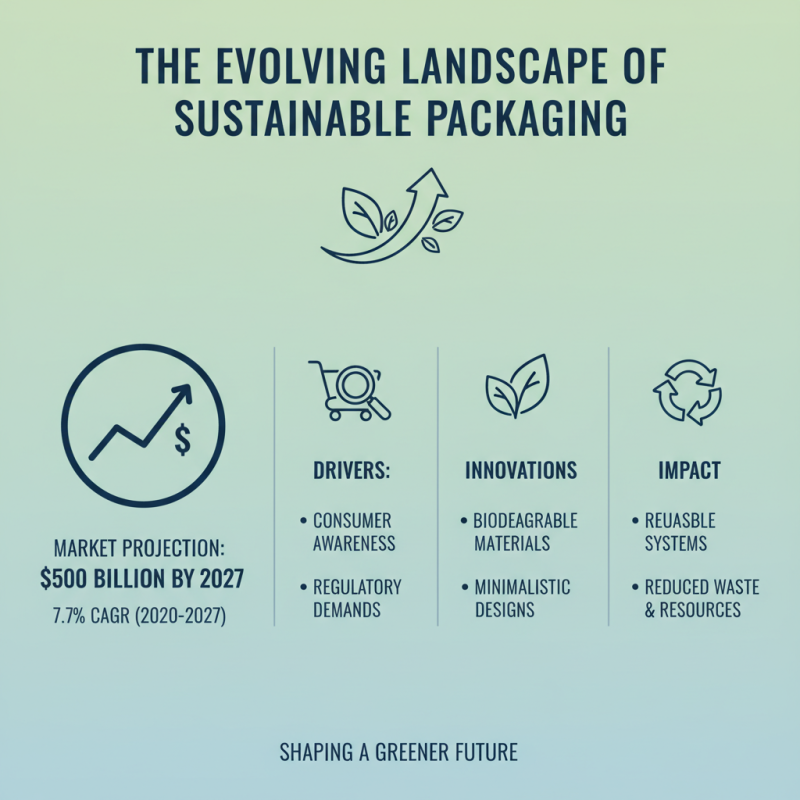
The landscape of sustainable packaging is rapidly evolving, driven by increasing consumer awareness and regulatory demands for environmentally-friendly solutions. Recent industry reports indicate that the global sustainable packaging market is projected to reach $500 billion by 2027, growing at a compound annual growth rate (CAGR) of 7.7% from 2020. This growth is fueled by innovations such as biodegradable materials, minimalistic designs, and reusable packaging systems that significantly reduce waste and resource consumption.
One notable trend is the rise of bioplastics, derived from renewable biomass sources, which are becoming increasingly popular in the market. According to a report by Smithers Pira, the use of bioplastics in packaging is expected to increase by over 20% annually, reflecting a shift in consumer preferences towards products that minimize environmental impact. Furthermore, advancements in technology are enabling more effective recycling processes, which reduce the costs and logistical challenges associated with recycling traditional materials. Industry experts emphasize that these innovations not only help brands meet sustainability goals but also enhance corporate responsibility and customer loyalty in an eco-conscious market.
Sustainable packaging is not just a trend but a necessary evolution in the way products are delivered to consumers. As companies continue to embrace eco-friendly materials and streamline their packaging processes, the sustainable packaging sector will likely see continued growth and innovation. Reports predict that by 2025, nearly 75% of all packaging will be recyclable, reusable, or compostable, showcasing the industry’s commitment to sustainability and the environment.