Why Choose Pulp Molding at the 139th Canton Fair 2026?
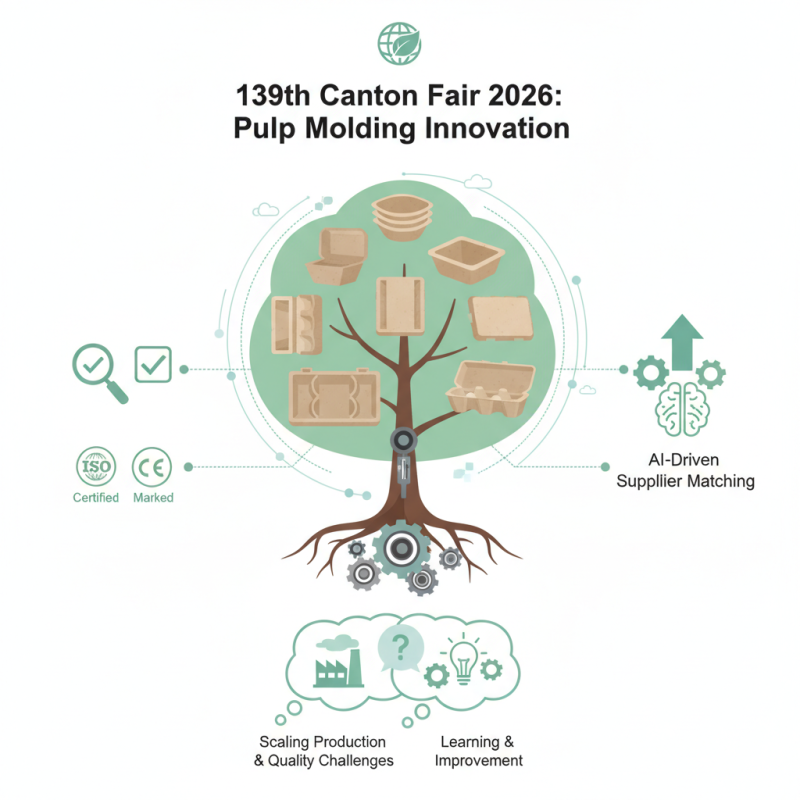
The 139th Canton Fair in 2026 presents an excellent opportunity to explore pulp-molding as an innovative solution. With its focus on advanced manufacturing and sustainable materials, attending the fair is ideal for those interested in eco-friendly alternatives. Pulp-molding, a process that transforms waste paper into valuable packaging and products, aligns perfectly with these themes.
This year’s fair introduces AI-driven features, enhancing the experience for buyers. Attendees can efficiently find suppliers with required certifications, such as ISO and CE. This advancement streamlines the vast exhibition space, making it easier for businesses to connect over pulp-molding innovations.
While pulp-molding holds great promise, it also requires thoughtful implementation. Challenges in scaling production and ensuring consistent quality call for critical reflection among manufacturers. As we explore its potential at the fair, there will be much to learn and improve within this sustainable sector.
Overview of Pulp Molding Technology and Its Benefits
Pulp molding technology is gaining traction in various industries. This process involves recycling paper pulp to create biodegradable products. The outcome is sustainable packaging that can replace plastic. Many companies are adopting this method due to its environmental benefits.
One significant advantage of pulp molding is its versatility. It can be shaped into various forms, catering to different needs. For instance, it is used to create trays, containers, and even protective packaging for fragile items. The texture and design options are appealing to eco-conscious consumers. However, challenges remain in production consistency and scaling up operations.
High costs and material sourcing are also points of concern. While recycled paper is abundant, processing costs can be high. This might deter smaller businesses from making the switch. Nonetheless, as technology advances, efficiencies in production may improve. The potential is there, but it requires further exploration and thoughtful implementation.
Why Choose Pulp Molding at the 139th Canton Fair 2026? - Overview of Pulp Molding Technology and Its Benefits
| Aspect | Details |
| Technology Type | Pulp Molding |
| Material Used | Recycled Paper and Plant Fibers |
| Main Benefits | Eco-friendly, biodegradable, and recyclable |
| Manufacturing Process | Formation, drying, and shaping |
| Applications | Packaging, food trays, and protective casing |
| Cost Efficiency | Low production cost due to raw material sourcing |
| Market Growth | Expanding due to increased demand for sustainable packaging |
| Technological Innovations | Advancements in molding techniques and automation |
Significance of the Canton Fair for Pulp Molding Businesses
The Canton Fair offers a unique platform for pulp molding businesses. It gathers professionals from various sectors, fostering networking and collaboration. Many companies aim to showcase their innovative designs and techniques. Participation in this event can elevate visibility and attract potential partners.
When attending the fair, consider setting clear goals. Understand what you want to achieve: new contacts, insights, or market trends. Be prepared for adaptation. Conversations might lead to unexpected opportunities, like collaborations or adjustments in your production methods.
Tips: Engage actively with exhibitors. Ask questions and seek demonstrations. Take notes on emerging technologies in pulp molding. This information can shape your next business strategy. Acknowledge that not all discussions will lead to immediate results. Some ideas may require further reflection and exploration.
Key Pulp Molding Innovations Showcased at the 139th Canton Fair
The 139th Canton Fair in 2026 will be a vital platform for showcasing innovations in pulp molding. This environmentally friendly manufacturing process replaces traditional materials with biodegradable options. As the global push for sustainability continues, the pulp molding market is expected to witness significant growth. According to industry reports, it is projected to expand at a compound annual growth rate (CAGR) of 7.3% from 2021 to 2027.
Innovative designs will take center stage at the fair, featuring advanced molding techniques. Exhibitors will display state-of-the-art machines that enhance production efficiency. For instance, recent technological advancements have reduced waste by up to 30%, appealing to manufacturers focused on eco-friendliness. Attendees can expect to see products ranging from biodegradable packaging to sustainable tableware, highlighting versatility in the application of pulp molding.
Despite these advancements, challenges persist in the industry. The quality of raw materials may vary, affecting the end-product's durability. Some companies still grapple with high initial investment costs for machinery. These factors can deter smaller businesses from entering the market. Discussions at the fair may address these issues, sparking a conversation on the future of pulp molding and its potential challenges.
Networking Opportunities for Pulp Molding Industry Professionals
The 139th Canton Fair in 2026 will be a hotspot for pulp molding professionals. It’s not just about showcasing products; it’s a unique opportunity to connect. Attendees can exchange ideas, explore trends, and discuss innovations in the field. Networking is crucial in such a rapidly evolving industry.
Many professionals come to look for partnerships. But it can be challenging to find the right connections. Creating meaningful relationships takes effort. Attendees need to approach conversations with openness. Engaging with peers provides invaluable insights. You might find a mentor or a collaborator.
Each conversation can lead to transformative opportunities. Perhaps you’ll learn about new technologies. There is always something to reflect on after discussions. Mistakes can be stepping stones. They guide us in future endeavors. Embrace the imperfections; they can lead to growth. The fair is not only about business; it’s about community.
Insights on Market Trends and Consumer Preferences in Pulp Molding
The demand for eco-friendly packaging continues to rise. Pulp molding offers an innovative solution to this trend. According to a recent report by Smithers, the global pulp molding market is expected to grow at a CAGR of 6.3% from 2021 to 2026. This growth aligns with consumer preferences for sustainable products.
Consumers increasingly favor biodegradable options. Research shows that 65% of buyers consider packaging materials when making a purchase. The shift toward sustainability isn't just a fad; it's a fundamental change in market dynamics. Pulp molding fulfills this need, providing a compostable alternative to plastic.
Despite these trends, some challenges remain. The production processes can be energy-intensive, which raises questions about their overall sustainability. Additionally, quality control during manufacturing is crucial to meet market expectations. Adapting to consumer preferences will require continuous innovation. There’s a clear opportunity, but clearer pathways to efficiency are needed.