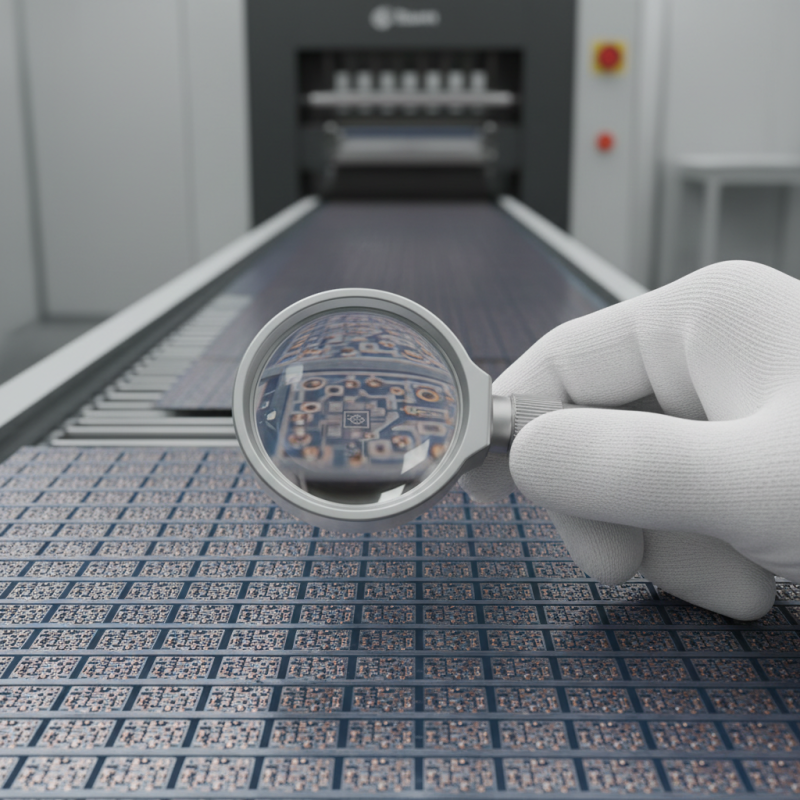
What is Print Inspection and Why is it Important?
Print Inspection plays a vital role in the printing industry. It ensures the quality and accuracy of printed materials. This process helps detect errors before products reach consumers. A single mistake can lead to poor customer satisfaction and wasted resources.
Many companies overlook the importance of Print Inspection. They may think that automated systems are enough. However, human oversight is necessary for optimal results. Small defects in print quality can go unnoticed, resulting in significant financial losses.
Investing in Print Inspection can prevent these issues. It fosters trust and credibility with clients. Regular inspections can improve overall production quality. Companies must reflect on their current practices. They need to understand that effective Print Inspection is essential for long-term success.
What is Print Inspection?
Print inspection refers to the systematic process of evaluating printed materials for quality. It involves checking colors, alignment, and overall appearance. This process is vital in ensuring that the final product meets standards and customer expectations. Without proper inspection, a small error can lead to significant discrepancies.
Common issues include color mismatches and blurry images. These flaws can diminish the product's appeal. Inspecting prints also helps identify misalignments, which can occur during production. Even slight shifts can affect the readability of packaging or promotional materials. Ignoring these defects may lead to wasted resources and unhappy clients.
Many companies still overlook print inspection. They may rush to meet deadlines or cut costs. However, this can backfire. A poorly inspected product can lead to returns and damaged reputations. Implementing a thorough inspection process is necessary. It not only enhances quality but also builds trust with customers.
The Technologies Behind Print Inspection
Print inspection is a critical process in ensuring the quality of printed materials. Various technologies enhance print inspection, making it more reliable and efficient. Machine vision systems are among the most prevalent technologies used. These systems leverage cameras and advanced algorithms to detect defects in real-time, meeting quality standards. According to a recent industry report, 75% of manufacturers reported improved quality control using such systems.
Another significant technology in print inspection is spectral analysis. This method evaluates color accuracy and consistency. Studies indicate that discrepancies in color can lead to consumer dissatisfaction. By employing spectral analysis, companies reduce color-related errors by up to 30%. It's essential to recognize, however, that no technology is foolproof. Often, human intervention is necessary to address the nuances that machines might overlook.
Incorporating artificial intelligence (AI) into print inspection systems is an emerging trend. AI can predict potential issues based on historical data. Reports show that integrating AI can enhance defect detection rates by up to 40%. Yet, reliance on AI introduces challenges. Faulty programming or incomplete datasets can skew results, leading to critical oversights. Continuous evaluation of both technology and processes is vital to maintain high standards in print inspection.
Key Benefits of Print Inspection in Quality Control
Print inspection plays a critical role in quality control for many industries. It ensures that printed materials meet desired standards. This process helps in identifying defects early. Early detection reduces waste and unnecessary costs.
Implementing print inspection enhances efficiency. It helps maintain consistent quality across production runs. This leads to higher customer satisfaction. Clients expect flawless products, and print inspection addresses these expectations. Regular checks can uncover recurring issues. Identifying problems early stops them from escalating.
Tip: Use a checklist for inspection. This keeps you organized and focused. Include key areas like
color accuracy, clarity, and alignment.
Another
benefit of print inspection is traceability. It allows manufacturers to track quality over time. By maintaining records, businesses can identify patterns. Patterns enable proactive adjustments. This minimizes the risk of defects.
Tip: Regularly review your inspection data. Look for trends that signal an underlying issue. Stay vigilant, as complacency can lead to mistakes.
Common Challenges in Print Inspection Processes
Print inspection plays a critical role in maintaining quality across various industries. However, it faces significant challenges that can lead to costly errors. One common issue is misalignment in inspection processes. If the technology used is not calibrated correctly, it may miss defects. This leads to wasted materials and time. Inspectors must be vigilant, yet human error can occur.
Another challenge is the variability of print quality. Factors such as ink consistency and substrate conditions can change. This unpredictability makes it hard to maintain a standard inspection routine. Regular adjustments and re-evaluations are necessary, yet these can slow down production. Many companies struggle to keep up with these demands effectively.
Additionally, integrating new technologies into existing workflows can be daunting. In some cases, staff may resist change. This reluctance can hinder improvements in inspection methods. Training is essential but requires time and resources. Without proper support, organizations may find themselves stuck in outdated practices, compromising quality.
Print Inspection Quality Metrics
This bar chart illustrates the key quality metrics in print inspection processes, highlighting areas such as print clarity, color accuracy, image alignment, material quality, and waste rate. Maintaining high standards in these metrics is crucial for ensuring product quality and minimizing costs in the printing industry.
The Future of Print Inspection Technology
Print inspection technology is evolving rapidly, driven by the need for quality control in various industries. As businesses realize the importance of consistent print quality, innovative solutions are emerging. From basic visual checks to advanced automation, the landscape is transforming. Utilizing high-resolution cameras and machine learning algorithms, state-of-the-art systems can detect even the smallest discrepancies in printed materials.
However, this technological shift also presents challenges. The accuracy of these systems is crucial, as false positives can disrupt production. Adjusting to these new tools requires training and adaptation. In some cases, human oversight remains essential. The balance between automation and manual checks is still a topic of discussion. As companies embrace these advancements, they must also address potential flaws and areas for improvement. Embracing the future of print inspection means investing in both technology and workforce training.
The journey toward seamless print inspection isn’t without its hurdles. Even the most advanced systems can struggle with certain patterns or conditions. Maintaining quality while using these technologies can expose gaps in processes. It’s essential to reflect on these challenges while moving forward. Companies must be open to feedback and continuously enhance their print inspection protocols. A commitment to constant improvement will be key in navigating the future of print quality assurance.