Flexible Packaging Innovations at China Import and Export Fair?
Flexible packaging has emerged as a crucial trend in the packaging industry, highlighted by the increasing demand for sustainable solutions. According to a recent market report, the global flexible packaging market is projected to reach $300 billion by 2025. This growth is driven by the rising need for convenience, product preservation, and cost efficiency. As consumers become more environmentally conscious, the shift towards recyclable and biodegradable materials is evident.
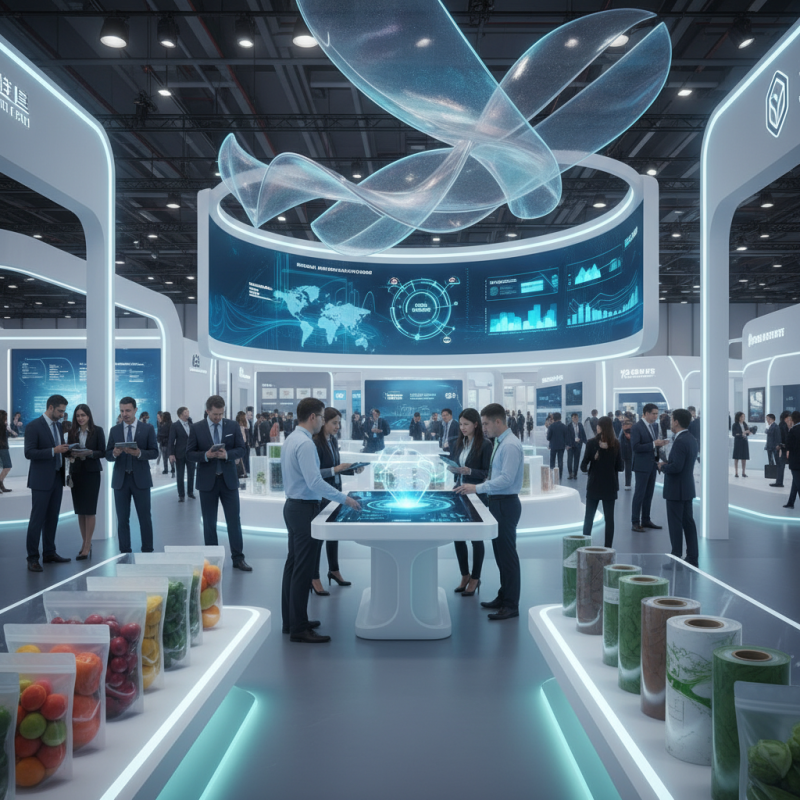
At the upcoming 139th China Import and Export Fair, flexible packaging innovations will take center stage. This event will showcase cutting-edge technologies that enhance both product shelf life and environmental sustainability. Innovations such as multi-layer films and smart packaging solutions will be featured prominently. However, the industry still faces challenges, including adequate recycling infrastructure and consumer education on proper disposal methods.
The integration of AI in trade shows, such as the introduction of intelligent search and navigation tools at this fair, marks a significant advancement. Buyers can efficiently identify suppliers meeting specific qualifications, including those focusing on sustainable flexible packaging solutions. Yet, with these innovations, the industry must reflect on its impact and responsibilities. Balancing technological advancement with genuine sustainability remains a critical topic for discussion.
Flexible Packaging Market Trends and Growth Projections in 2023
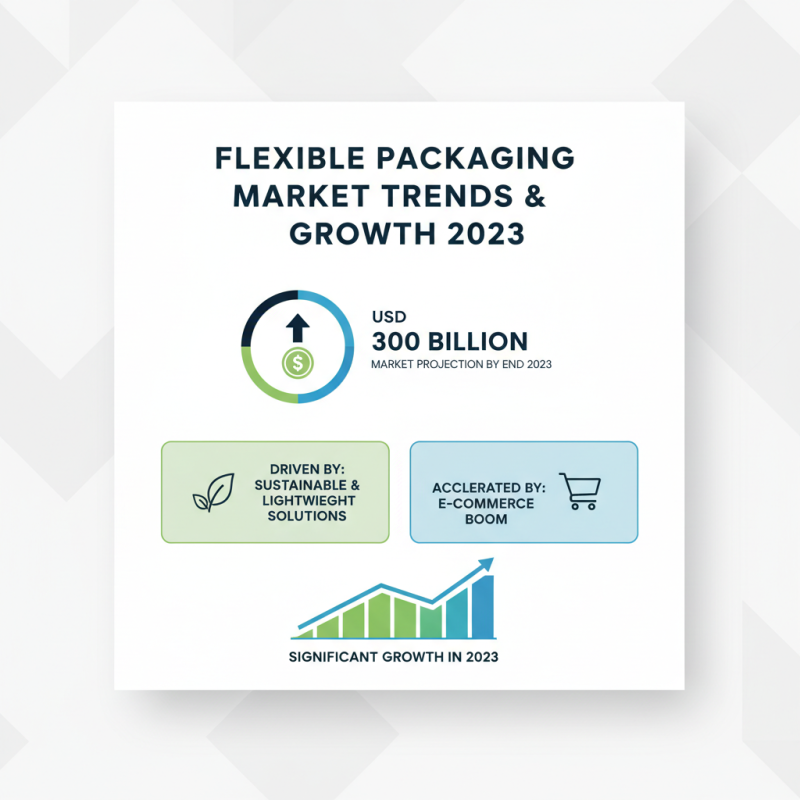
The flexible packaging market is witnessing significant growth in 2023. According to a recent report, the market is projected to reach USD 300 billion by the end of this year. This increase is driven by a surge in demand for sustainable and lightweight packaging solutions. The rise of e-commerce has further accelerated the need for efficient packaging options.
Innovations in materials and design are paving the way for this growth. Biodegradable films and recyclable structures are becoming the norm. Flexibility in packaging not only attracts consumers but also meets regulatory requirements for sustainability. Consumer preferences are shifting towards eco-friendly packaging options. This trend is reshaping the industry.
**Tip:** Explore new materials that reduce environmental impact. Seek partnerships with suppliers who prioritize sustainability.
Despite these advancements, challenges remain. Companies must navigate fluctuating raw material prices and supply chain disruptions. These factors can strain production efforts. Continuous improvement in processes is essential. Investing in technology can help manage these complexities.
**Tip:** Regularly review your supply chain strategy. Adapt to changes to stay competitive and resilient.
Key Players and Innovations Showcased at the China Import and Export Fair
The China Import and Export Fair has become a significant platform for showcasing flexible packaging innovations. Key players in the packaging industry are eager to display their latest advancements. According to industry reports, the global flexible packaging market is expected to reach $500 billion by 2026, growing at a CAGR of 4.6%. This data reflects the rising demand for sustainable options.
Innovations at the fair include biodegradable materials and smart packaging technology. These advancements aim to enhance shelf life while reducing environmental impact. Reports indicate that 70% of consumers prefer eco-friendly packaging. However, not all solutions are perfect; some biodegradable materials may take longer to decompose than expected.
Additionally, the fair highlights advancements in digital printing, allowing for personalized packaging. This technology caters to consumer preference for customization. Yet, challenges persist, such as higher production costs and potential quality issues. The balance between innovation and practicality remains a crucial discussion point among industry professionals. The fair prompts reflection on how the industry can further evolve to meet consumer demand while addressing environmental concerns.
Flexible Packaging Innovations at China Import and Export Fair
| Innovation Type |
Details |
Sustainability Level |
Market Impact |
| Biodegradable Films |
Films made from renewable resources that decompose naturally |
High |
Significant reduction in plastic waste |
| Smart Packaging |
Packaging that includes sensors to monitor freshness |
Moderate |
Enhances consumer experience and reduces food waste |
| Resealable Packaging |
Packaging that can be sealed again after opening |
Low |
Improves product longevity and convenience |
| Flexible Pouches |
Pouches that have a lower carbon footprint than rigid packaging |
Moderate |
Cost-effective and lightweight solution |
| Aluminum Foil Alternatives |
Alternative materials that mimic aluminum foil characteristics |
High |
Reduces reliance on non-renewable materials |
Sustainability Initiatives in Flexible Packaging: Industry Responses
Sustainability is becoming a central theme at trade fairs, including the China Import and Export Fair. Many companies actively embrace eco-friendly practices. They explore materials that minimize environmental impact. Innovations in flexible packaging are key. Bio-based materials are increasingly popular, reflecting a shift towards sustainability.
Tips: Consider how packaging can recycle easily. Use minimal materials without compromising quality to reduce waste.
Some brands highlight their efforts to reduce plastic use. They invest in alternative solutions like compostable films. Yet, progress is not uniform across the industry. Companies face challenges with costs and consumer perceptions. A more unified approach to education could enhance acceptance.
Tips: Engage customers with transparent communication. Highlight sustainability efforts in a relatable way to build trust.
Innovation also involves rethinking design and functionality. Packaging must be efficient, appealing, and sustainable. Balancing these aspects can be tricky. The industry is still figuring out the best pathways forward.
Sustainability Initiatives in Flexible Packaging
Technological Advances in Materials and Production Processes for 2023
Flexible packaging is evolving quickly.
Technological advances are reshaping materials and production processes. According to a recent report by Smithers Pira, the global flexible packaging market is expected to reach $300 billion by 2025. Innovations in materials, such as bio-based films and enhanced barrier coatings, play a key role in this growth.
In 2023, recycled content in flexible packaging may increase significantly. Many manufacturers are using post-consumer recycled materials to create new packaging solutions. Some studies suggest that using recycled plastics can reduce carbon emissions by up to 30%. However, challenges remain in ensuring quality and consistency across the supply chain.
Production processes are also seeing change. Automation and digital printing technologies are becoming more common. These advances help to reduce waste and increase efficiency. Yet, some companies still struggle with the initial costs of these technologies. A balance between innovation and practicality is vital for the industry's future.
Consumer Preferences Shaping the Future of Flexible Packaging Solutions
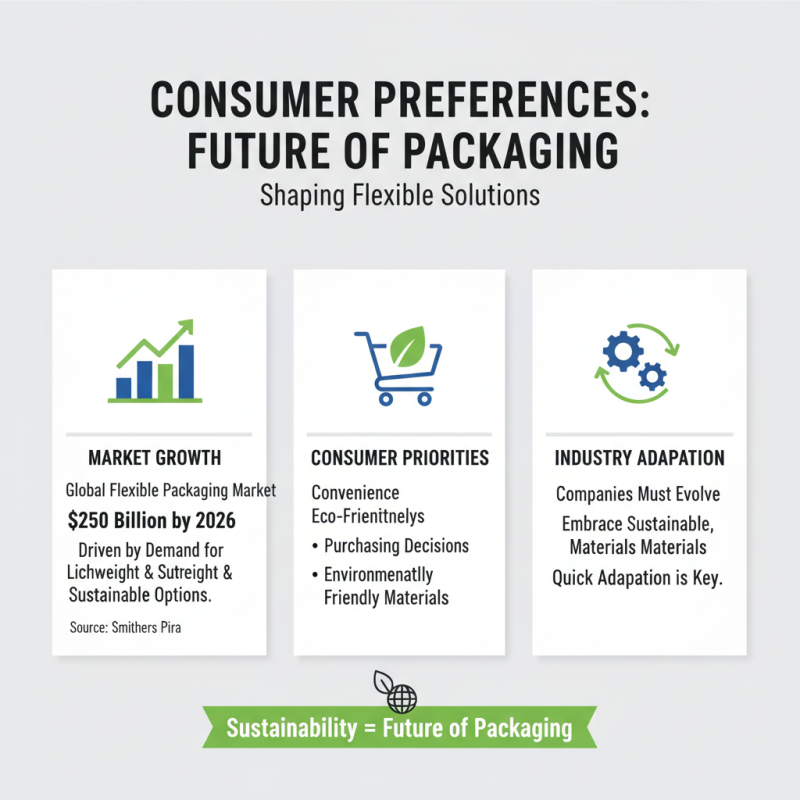
Consumer preferences are pivotal in shaping the future of flexible packaging solutions. According to a recent report by Smithers Pira, the global flexible packaging market is expected to reach $250 billion by 2026. This growth is driven by a surge in demand for lightweight and sustainable options. Today’s consumers prioritize convenience and eco-friendliness in their purchasing decisions. The trend towards environmentally friendly materials is clear, and companies must adapt quickly.
A substantial 74% of consumers express a preference for packaging that reduces waste. Traditional materials are often seen as outdated and less appealing. New innovations like biodegradable films and recyclable laminates are gaining traction. However, there are challenges. Not all materials meet performance requirements, leading to mixed reviews from brands and consumers alike. The balance between sustainability and functionality is delicate.
Understanding these preferences is crucial. Packaging designers must keep pace with changing consumer habits. Transparency in materials and processes appeals to eco-conscious shoppers. The industry needs to reflect on these dynamics. As consumer expectations evolve, companies must innovate thoughtfully, responding to the demand for both sustainability and performance.