What is FFS Packaging and Why is it the Best Choice in China?
FFS packaging, or form-fill-seal packaging, has emerged as a leading choice in China’s rapidly evolving market. This innovative packaging solution offers numerous advantages, making it a popular option for businesses. It combines efficiency and cost-effectiveness, catering to various industries. With FFS packaging, manufacturers can enhance product shelf life and preserve quality. As demands for sustainable practices rise, FFS packaging also presents eco-friendly options, appealing to environmentally conscious consumers.
The precision of FFS packaging ensures minimal waste during production. This accuracy can save companies significant costs, but not without challenges. It requires careful handling and expertise to maximize its advantages. Moreover, investing in advanced FFS machinery can be substantial, leading some companies to hesitate. However, those who adopt this technology often find improved operational efficiency and customer satisfaction.
Choosing FFS packaging involves weighing its benefits against initial investment costs. Understanding its impact on branding and customer perception is essential. Ultimately, the decision to embrace FFS packaging reflects a commitment to quality and innovation in China’s competitive landscape.
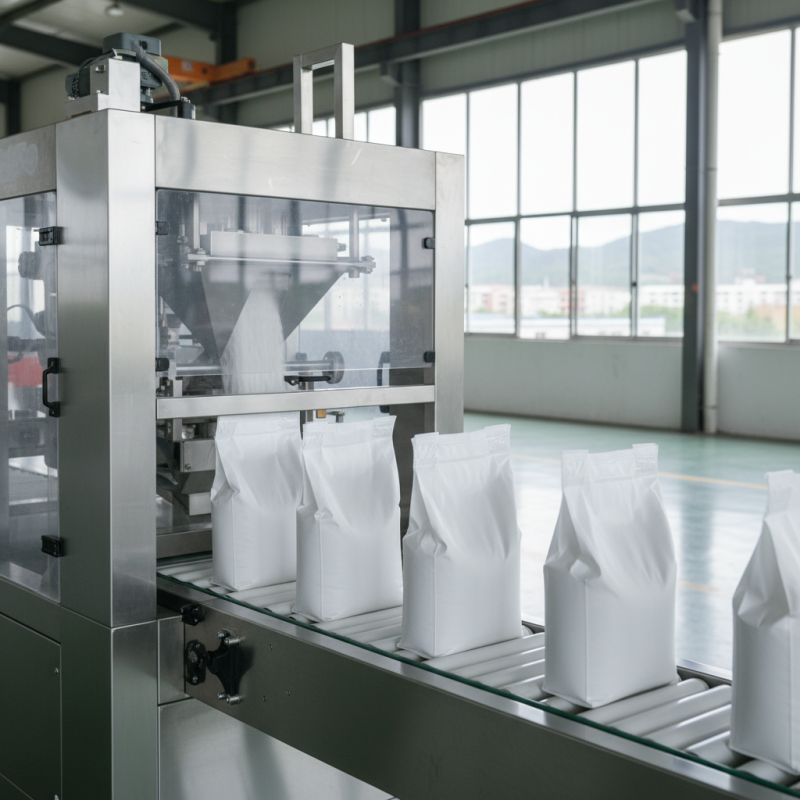
What is FFS Packaging? An Overview of the Technology and Process
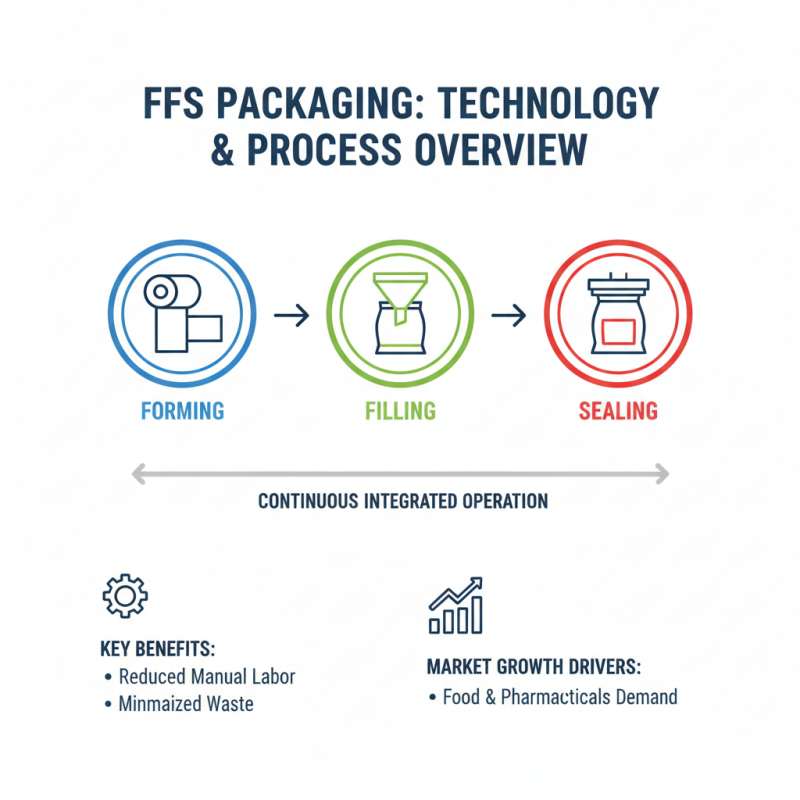
Form-fill-seal (FFS) packaging technology streamlines the packaging process for various products. It integrates forming, filling, and sealing into one continuous operation. This method reduces the need for manual labor and minimizes packaging waste. According to industry reports, the global FFS packaging market is projected to grow significantly, driven by rising demands in sectors such as food and pharmaceuticals.
The FFS process uses specialized machinery to create a pouch or container from a roll of flexible material. This method enhances efficiency and speed. For instance, FFS systems can produce up to 100 containers per minute, which is critical in high-demand industries. A study indicated that FFS packaging can decrease packaging costs by up to 20% compared to traditional methods.
**Tip:** When considering FFS packaging, assess the type of material you will use. The selection of the right film can impact shelf life and product quality.
Despite its benefits, FFS technology requires significant initial investments. Smaller companies may find it challenging to adopt this technology. However, the long-term savings can outweigh upfront costs. It's crucial to conduct a thorough analysis of production needs and costs.
**Tip:** Always evaluate your production scale. Larger operations will benefit more from FFS due to the economies of scale it provides.
Key Features and Advantages of FFS Packaging in Modern Industry
FFS (Form-Fill-Seal) packaging is rapidly gaining popularity in modern industry, especially in China. This technology simplifies the packaging process. It allows products to be formed, filled, and sealed in a continuous operation. This efficiency reduces labor and operational costs, making it attractive for manufacturers needing to streamline their processes.
One of the key advantages of FFS packaging is its versatility. It can handle various materials, including films and laminates, suitable for different products. According to a recent market report, the FFS packaging market in China is projected to grow at a CAGR of 5.2% between 2023 and 2028. This growth is driven by the rising demand for convenient and efficient packaging solutions. Moreover, FFS systems often lead to reduced product spoilage, ensuring that consumers receive fresher goods.
Tips: Consider your material options carefully. The right choice boosts efficiency. Also, integrating automation into the FFS process can further enhance your production speed. Always assess the end-user experience. A little reflection on design can yield significant improvements.
Market Trends and Growth of FFS Packaging in China: Data Analysis
The growth of FFS (Form-Fill-Seal) packaging in China has been remarkable. Recent data indicates a steady rise in its adoption across various industries. FFS packaging offers efficiency and cost effectiveness, crucial for manufacturers. However, it's essential to consider the specific needs of various sectors when implementing this technology.
As demand increases, challenges remain. Not every manufacturer can adapt quickly to FFS systems. Training and adjustments in production processes can take time. Quality control also becomes a significant factor. Ensuring the integrity of the seal is vital for product safety. These aspects must be addressed to fully harness the potential of FFS packaging.
Market trends show a push towards sustainability. More companies are exploring eco-friendly materials within FFS packaging. Yet, sourcing these materials can be difficult and costly. This highlights the importance of continuous innovation and flexibility. Embracing change while maintaining quality is a balancing act for many businesses.
Case Studies: Successful FFS Packaging Implementations in Various Sectors
The trend of using Form Fill Seal (FFS) packaging is rapidly gaining traction across various industries in China. Recent studies indicate that the FFS market is projected to grow by 6% annually. This growth can be attributed to its efficiency and cost-effectiveness. For example, in the food sector, companies like those in dairy and snacks have reported 20% reductions in packaging costs.
In pharmaceuticals, FFS technology has proven vital. According to a recent report, 80% of companies mentioned improved shelf life and reduced contamination risks with FFS systems. This is particularly important for maintaining strict hygiene standards in drug packaging. Notably, a pharmaceutical firm cut its labor costs by 30% by transitioning to FFS.
**Tip:** Always evaluate the specific needs of your product before choosing FFS solutions. Customization can enhance efficiency even more.
In the personal care industry, FFS has revolutionized packaging. Brands have noted that FFS reduces waste significantly. In one study, a cosmetic manufacturer achieved a 15% increase in output while minimizing material usage. Despite these successes, challenges exist, such as potential machinery maintenance issues. Regular checks can help mitigate these pitfalls.
**Tip:** Consider ongoing training for staff handling FFS machinery. Knowledge can prevent costly mistakes and downtime.
FFS Packaging Adoption Across Different Sectors in China
The bar chart above illustrates the adoption rate of FFS (Form-Fill-Seal) packaging across various sectors in China. As seen, the Food & Beverage industry leads with an 85% adoption rate, followed by Pharmaceuticals at 75%. Other sectors, such as Cosmetics and Household Products, show moderate adoption, while Electronics lags behind.
Comparing FFS Packaging to Other Packaging Methods: A Data-Driven Insight
Flexible packaging solutions like Form-Fill-Seal (FFS) have gained traction in China. Data shows that FFS packaging can reduce material waste by up to 30% compared to traditional methods. This efficiency not only minimizes costs but also supports sustainability efforts, a growing concern among consumers and manufacturers alike.
In a recent industry analysis, it was revealed that FFS packages often require less energy to produce. This can translate to lower operational costs, making FFS an attractive choice for businesses. Additionally, the convenience of FFS technology allows for rapid production rates, addressing the increasing demand in the fast-paced market. However, while FFS offers notable advantages, it's essential to consider the initial investment in equipment and training for staff.
Comparatively, traditional packaging methods tend to be slower and less adaptable. They often involve more labor and longer lead times, which could affect overall productivity. Even though FFS is not perfect and poses challenges in certain applications, its innovations in efficiency and sustainability make it a compelling choice for manufacturers in China. Balancing these factors requires thoughtful consideration from industry players looking to optimize their packaging strategies.
What is FFS Packaging and Why is it the Best Choice in China? - Comparing FFS Packaging to Other Packaging Methods
| Packaging Method |
Cost (USD per 1000 units) |
Speed of Production (units/hour) |
Material Utilization (%) |
Flexibility of Design |
Eco-Friendliness |
| FFS Packaging |
$300 |
1200 |
90 |
High |
Yes |
| Traditional Packaging |
$450 |
600 |
75 |
Medium |
No |
| Shrink Wrapping |
$350 |
800 |
85 |
Low |
No |
| Cartoning |
$400 |
700 |
80 |
Medium |
Yes |