Top 10 Package Materials Tips for Eco-Friendly Shipping Solutions
In an era where environmental sustainability has become a pivotal concern for businesses and consumers alike, the selection of package materials plays a critical role in shaping eco-friendly shipping practices. As we strive to reduce our carbon footprint and minimize waste, understanding the most effective and sustainable packaging solutions is essential. The way we package our products not only affects shipping efficiency but also influences customer perceptions and contributes to the overarching narrative of corporate responsibility.
This article delves into the top 10 tips for choosing eco-friendly package materials that align with sustainable shipping solutions. It offers insights into innovative alternatives to traditional packaging, highlighting materials that are biodegradable, recyclable, or that utilize post-consumer waste. By prioritizing package materials that protect the environment, businesses can enhance their brand image while also addressing the growing demand from consumers for greener choices. Exploring these options not only benefits the planet but also creates opportunities for businesses to stand out in a competitive market, ultimately paving the way towards a more sustainable future.

Understanding Eco-Friendly Packaging Materials
When it comes to eco-friendly shipping solutions, understanding packaging materials is crucial for reducing environmental impact. Eco-friendly packaging materials include those that are biodegradable, recyclable, or made from renewable resources. For instance, materials such as recycled paper and cardboard minimize waste and can be repurposed after use.
Additionally, opting for biodegradable plastics made from plant-based sources, like cornstarch, provides an alternative to traditional petroleum-based plastics that linger in landfills for centuries.
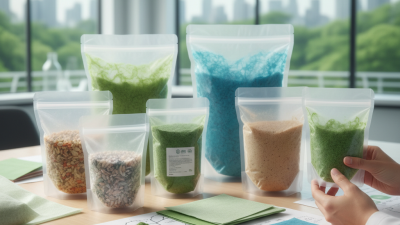
Another important aspect is the reduction of excess materials in packaging. Utilizing minimal packaging designs not only conserves resources but also reduces shipping costs and carbon footprints. Incorporating materials like mushroom-based packaging or recycled seaweed can offer innovative solutions that are both sustainable and functional. Brands that prioritize eco-friendly packaging materials not only appeal to environmentally conscious consumers but also contribute to the larger movement toward sustainability in the shipping industry.
By choosing the right materials, businesses can make a meaningful impact on the planet while still ensuring their products reach customers safely.
Benefits of Using Sustainable Packaging Solutions
Sustainable packaging solutions offer numerous benefits that extend beyond environmental impact. Firstly, using eco-friendly materials such as recycled paper, biodegradable plastics, and plant-based materials significantly reduces waste in landfills. By opting for these alternatives, companies can lower their carbon footprints and lend support to the circular economy. This shift not only protects the planet but also resonates with environmentally conscious consumers, enhancing brand loyalty and trust.
Moreover, sustainable packaging often leads to cost savings in the long run. While the initial investment in eco-friendly materials may be higher, they can be more efficient in various aspects, such as shipping and storage. Lightweight and compact packaging reduces transportation costs and allows for more efficient use of space in warehouses. Additionally, many sustainable packaging solutions are designed to be reused or easily recycled, minimizing the need for excessive materials and contributing to overall sustainability goals. This combination of environmental responsibility and economic advantage positions companies for future success in an increasingly eco-aware market.
Top Materials for Reducing Environmental Impact
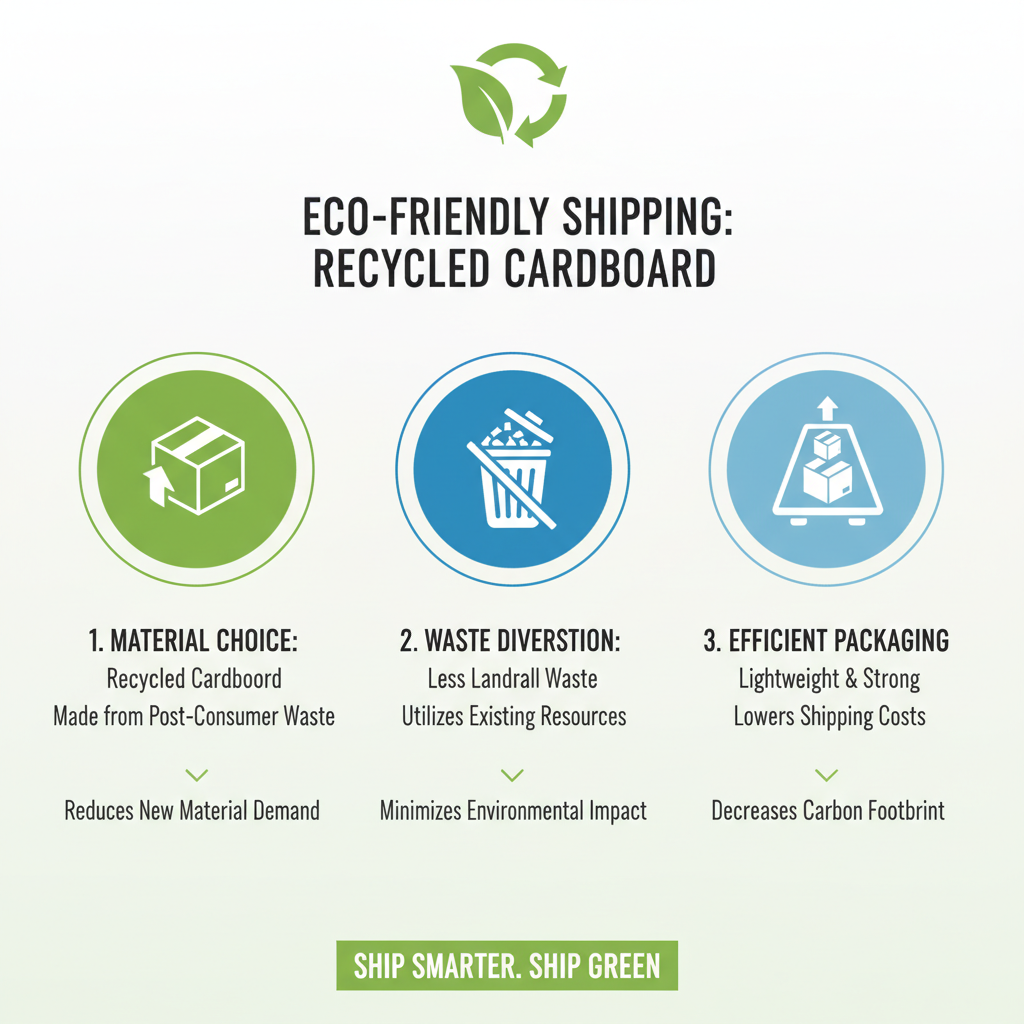
When considering eco-friendly shipping solutions, the choice of materials plays a crucial role in minimizing environmental impact. One of the top materials for this purpose is recycled cardboard. Utilizing post-consumer waste not only reduces the demand for new materials but also helps divert waste from landfills. Recycled cardboard is lightweight yet strong, making it an efficient packaging option that decreases shipping costs and carbon footprint.
Another sustainable choice is biodegradable packing peanuts, which offer protection for products while being environmentally friendly. Made from natural sources like corn starch, these peanuts break down easily in compost, eliminating the long-lasting pollution associated with traditional Styrofoam. Additionally, companies can explore the use of mushroom packaging, which leverages mycelium to create durable and biodegradable materials. By opting for these innovative materials, businesses can significantly lower their environmental impact while promoting a greener shipping practice.
Best Practices for Eco-Conscious Shipping
When considering eco-conscious shipping practices, choosing the right packaging materials is crucial. Utilizing biodegradable or recyclable materials, such as cardboard and paper, can significantly reduce the environmental impact of shipping operations. Moreover, opting for materials that are made from post-consumer waste can contribute to a circular economy, helping to minimize waste and reduce the need for new resources. This not only appeals to environmentally-aware consumers but also helps brands reinforce their commitment to sustainability.
Another best practice is to minimize the use of packaging by adopting a right-sizing approach. By ensuring that packages are tailored to the size of their contents, businesses can reduce the volume of materials needed and minimize excess space that often leads to increased transportation emissions. Additionally, encouraging customers to return used packaging for reuse or recycling can create a closed-loop system that reduces overall waste. Exploring innovative solutions such as mushroom packaging or plant-based materials can further enhance sustainability efforts, showcasing a dedication to preserving the planet while meeting shipping demands.
Innovative Technologies in Sustainable Packaging
In recent years, innovative technologies in sustainable packaging have emerged as a critical component in the drive towards eco-friendly shipping solutions. One of the most significant advancements is the development of biodegradable materials that break down naturally in the environment, reducing landfill waste. For example, bioplastics made from plant-based sources offer a sustainable alternative to traditional plastics, significantly lowering carbon footprints. Companies are increasingly adopting these materials, which not only address environmental concerns but also resonate with consumers who prioritize sustainability.
Another notable innovation is the use of smart packaging technologies that enhance the efficiency of shipping processes. These include sensors and QR codes that provide real-time data on the condition of the package during transit. Such technologies help ensure that products are stored and transported under optimal conditions, reducing spoilage and waste. Additionally, advances in printing technologies allow for eco-friendly inks and minimalistic designs that decrease material usage while still keeping packaging appealing. As these sustainable practices gain traction, businesses can significantly influence their environmental impact while meeting the growing consumer demand for responsible shipping solutions.
Top 10 Package Materials Tips for Eco-Friendly Shipping Solutions - Innovative Technologies in Sustainable Packaging
| Material |
Eco-Friendliness |
Recyclability |
Innovative Uses |
Pros |
Cons |
| Recycled Paper |
High |
Yes |
Packaging, mailers |
Sustainable, low cost |
Less durable, prone to moisture |
| Biodegradable Plastics |
Moderate |
Yes |
Bags, wraps |
Compostable, reduces plastic waste |
Higher cost, may not decompose in landfills |
| Plant-Based Materials |
High |
Yes |
Containers, fillers |
Renewable resources, compostable |
Limited strength, higher production costs |
| Mushroom Packaging |
Very High |
Yes |
Protective packaging |
Completely biodegradable, sustainable |
Fragility, limited availability |
| Glass Containers |
High |
Yes |
Bottles, jars |
Recyclable, durable |
Heavy, breakable |
| Eco-Friendly Styrofoam |
Moderate |
Limited |
Insulation, cushioning |
Lightweight, good insulation |
Not widely recyclable, environmental concerns |
| Cornstarch Packaging |
High |
Yes |
Mailers, chips |
Biodegradable, non-toxic |
Limited durability |
| Newsprint |
High |
Yes |
Packaging material |
Recycled material, lightweight |
Not waterproof, limited use |
| Cardboard |
High |
Yes |
Boxes, dividers |
Recyclable, strong |
Can be bulky, less water-resistant |
| Wooden Boxes |
High |
Yes |
Reusable shipping |
Durable, reusable |
Heavy, more expensive |