How to Choose the Best Wrappers Packaging for Your Products?
Choosing the right wrappers packaging is crucial for product success. Statistics reveal that around 73% of consumers say packaging influences their purchase decisions. This emphasizes the importance of selecting effective wrappers packaging that aligns with your brand and product values.
The market for packaging is expanding, projected to reach $1 trillion by 2024. Companies are increasingly focusing on sustainability, with 61% of consumers willing to pay more for environmentally friendly options. Therefore, wrappers packaging must not only attract buyers but also reflect a commitment to environmental responsibility.
Despite these trends, many brands struggle with packaging choices. Poorly selected wrappers can lead to product spoilage and customer dissatisfaction. It's vital to consider factors like material, design, and functionality carefully. This can often be overlooked in the rush to meet marketing deadlines. Understanding your target audience and their preferences can guide better decisions in wrappers packaging.
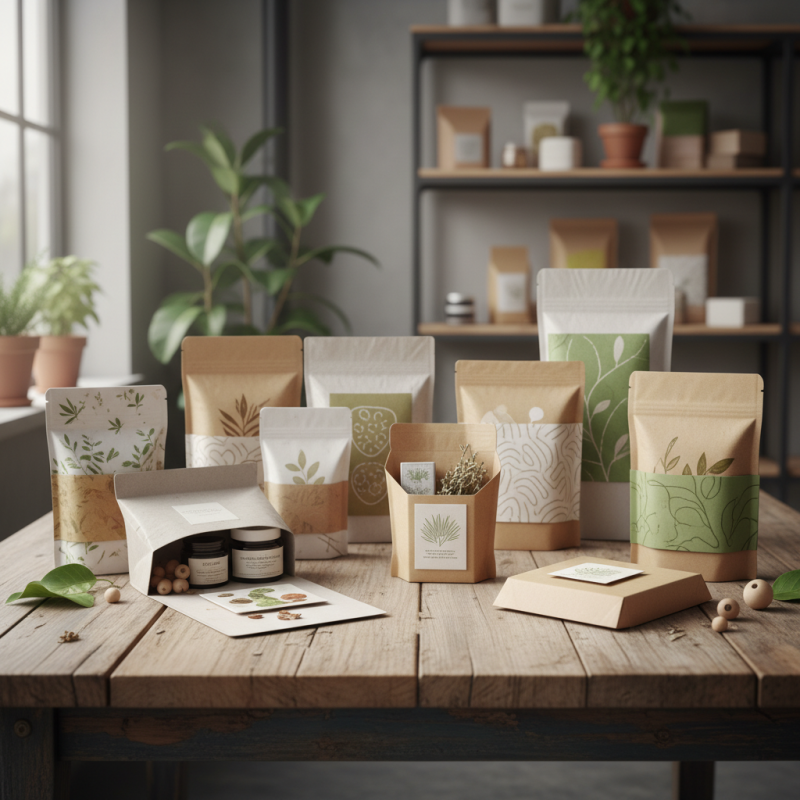
Understanding the Importance of Product Packaging in Marketing
Product packaging plays a crucial role in marketing. It is the first thing consumers notice on the shelf. Eye-catching designs attract attention and create a memorable impression. Colors, shapes, and textures can convey messages about the product. A well-designed package can even evoke emotions. For instance, earthy tones suggest natural ingredients, while vibrant colors signify energy.
However, there are pitfalls to avoid. Sometimes, designs become too complex or cluttered, losing clarity. Consumers may feel confused rather than intrigued. It’s essential to strike a balance between creativity and simplicity. Packaging should reflect a brand's identity without overwhelming potential buyers. Testing various designs with target audiences can reveal what appeals most.
Moreover, sustainability is becoming increasingly important. Many consumers actively seek eco-friendly packaging options. Brands that ignore this trend may miss out on key markets. But developing sustainable packaging can be challenging and costly. Regular evaluation and adaptation are necessary. Finding that sweet spot between functionality, aesthetic, and environmental impact often requires reflection and flexibility.
How to Choose the Best Wrappers Packaging for Your Products?
| Packaging Type |
Material |
Sustainability |
Cost Effectiveness |
Shelf Appeal |
| Plastic Wrap |
Polyethylene |
Low |
Moderate |
High |
| Paper Wrap |
Recycled Paper |
High |
Low |
Medium |
| Aluminum Foil |
Aluminum |
Medium |
High |
High |
| Biodegradable Wrap |
PLA (Polylactic Acid) |
Very High |
Moderate |
Medium |
| Shrink Wrap |
PVC/PET |
Low |
Low |
High |
Identifying Your Product's Unique Needs and Characteristics
Choosing the right packaging for your products can be challenging. It's essential to focus on your product's unique needs. For instance, consider its fragility. Delicate items require padding and strong materials to avoid damage. Similarly, perishable goods would benefit from wrappers that provide airtight seals.
Evaluate the characteristics of your products. Size, shape, and weight play crucial roles in packaging selection. A bulky item may need larger wrapping, which could lead to wasted space. Therefore, efficient design matters. Also, some products may need transparent wraps to display their features. A lack of visibility can hinder sales.
You may encounter issues when selecting eco-friendly options. While they are popular, they might not suit every product. Assess how well these materials preserve product integrity. Sometimes, a balance between sustainability and functionality is hard to achieve. If you overlook these factors, you could end up with ineffective packaging. Prioritizing your product’s specific requirements is key to creating appealing and practical wrappers.
Exploring Different Types of Wrapper Materials and Their Benefits
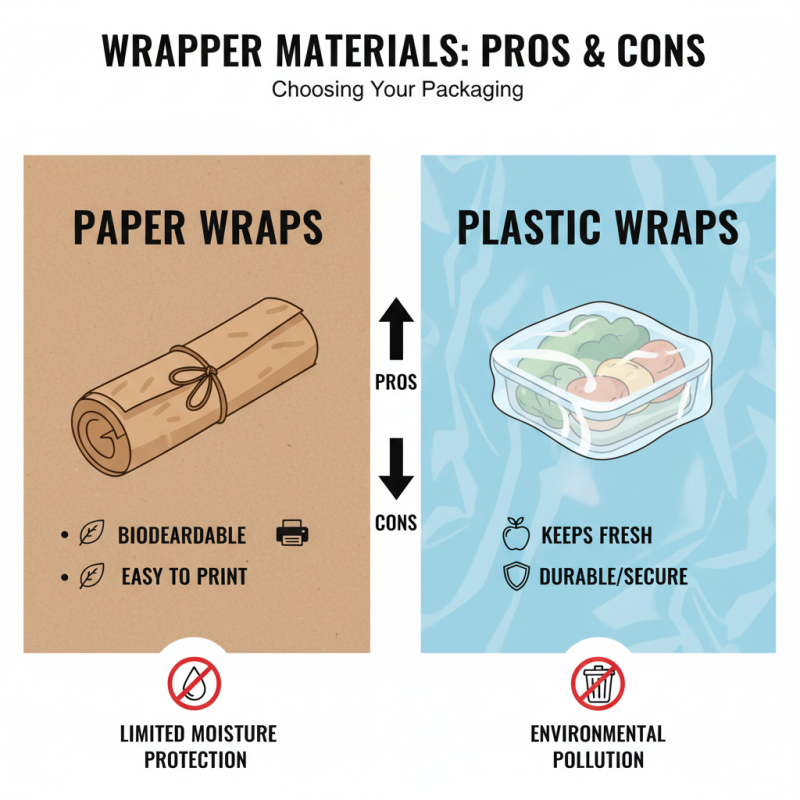
When it comes to choosing wrapper materials, various options exist. Paper wraps provide a rustic feel. They are biodegradable and can be printed on easily. However, they may not offer the best moisture protection. Plastic wraps, on the other hand, are versatile. They keep products fresh and secure. But they contribute to environmental waste, which is a significant downside.
Consider these tips when selecting wrapper materials. Think about the product's specific needs. If it's food, focus on materials that ensure safety and freshness. Look for features like tear resistance and clarity for visibility. Don't forget to factor in your brand's message. Your packaging reflects your values.
Another point to consider is cost. Some materials might seem affordable initially but incur higher costs in waste management. Always evaluate the long-term implications. Experimenting with different types could provide insights. Don't shy away from testing unconventional materials. Reflect on their benefits and challenges. Each choice shapes your product's image and sustainability message.
Evaluating Aesthetic and Functional Aspects of Wrapper Design
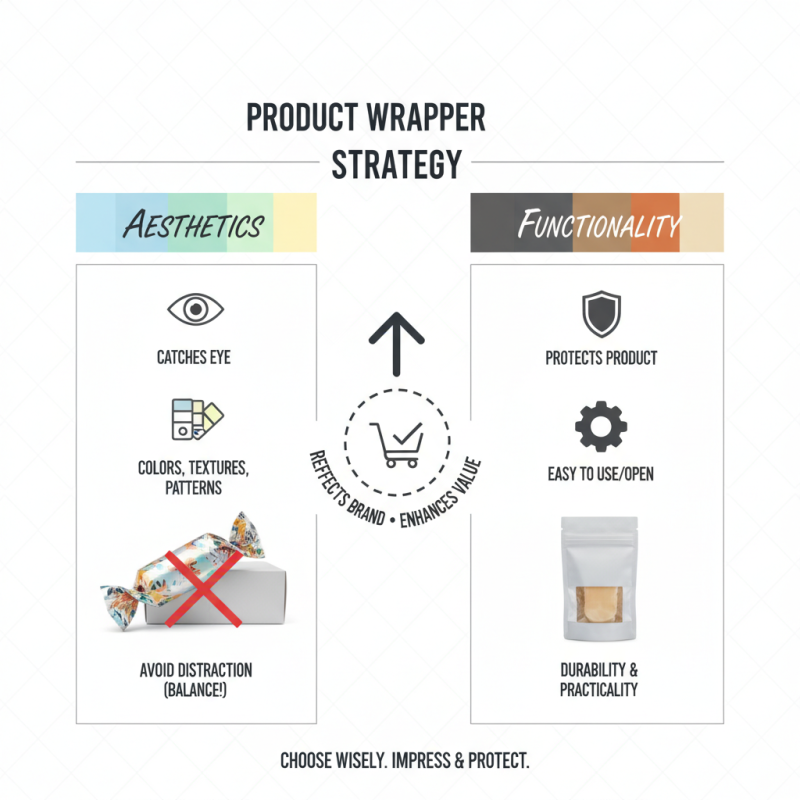
When choosing wrappers for your products, consider both aesthetics and functionality. The design should reflect your brand while catching the customer’s eye. Colors, textures, and patterns play a big role. A bright, shiny wrapper may attract attention, but it can also distract from the product itself. Balance is key.
Functionality in wrapper design is equally important. Will the wrapper protect the product? Can it keep it fresh? Take a moment to evaluate the materials. Are they durable and sustainable? Some materials look great but fail in practicality. Think about user experience. A difficult-to-open wrapper can frustrate customers. Get feedback and test different designs.
Reflect on your choices. Sometimes, the simplest designs work well, while complex wrappers can be less effective. Striking the right balance between visual appeal and functional capability can be a challenge. Stay open to revisiting your designs based on feedback and performance. Each iteration brings you closer to the ideal wrapper for your products.
Considering Sustainability and Compliance in Wrapper Selection
Selecting the right wrappers for your products involves careful consideration of sustainability and compliance. Many consumers today prioritize eco-friendly options. Using recyclable materials is one way to address this concern. However, not all materials labeled as recyclable are accepted in every local facility. Always check with local recycling guidelines to ensure compliance.
Compliance doesn't stop at recycling. It also includes safety standards. Packaging materials must meet industry regulations to protect products and consumers. For example, certain food products require wrappers that prevent contamination. Understanding these requirements can save you from costly recalls or legal issues.
It's valuable to reflect on your current wrapper choices. Are they the best option for sustainability? Sometimes, what seems eco-friendly might not be in practice. Consider sourcing biodegradable materials instead. This step demonstrates a commitment to sustainability, yet it’s essential to ensure they perform well in storage and transport. Finding a balance between functionality and eco-friendliness takes time and research.
Comparison of Packaging Materials Based on Sustainability and Compliance