How to Choose the Best Packaging Solutions for Your Business Needs?
In today's competitive market, choosing effective packaging solutions can significantly impact a business's success. According to a report by Smithers Pira, the global packaging market is projected to reach $1 trillion by 2024. This growth highlights the importance of selecting the right packaging materials and designs to attract customers and enhance brand recognition.
However, many businesses struggle with the packaging decision-making process. Often, they overlook factors like sustainability, cost efficiency, and functionality. A recent survey indicated that 70% of consumers prefer eco-friendly packaging. This trend challenges companies to rethink their packaging strategies.
It's crucial to take time when evaluating packaging solutions. Businesses must balance aesthetic appeal and practical requirements. What works for one company may not suit another. This complexity calls for thorough research and reflection. Ultimately, the right packaging can create lasting impressions and foster customer loyalty.
Understanding the Importance of Packaging Solutions in Business Operations
Packaging plays a crucial role in business operations. It is more than just a protective covering. Effective packaging can enhance brand image and customer experience. According to a report by Smithers Pira, the global packaging market is expected to reach $1 trillion by 2024. This growth highlights the rising significance of packaging in commerce.
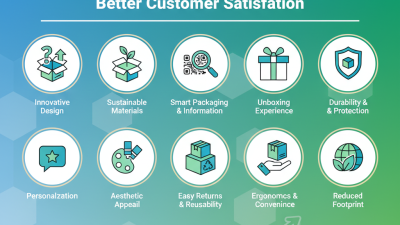
Every element of packaging influences the consumer's perception of the product. From design to sustainability, all aspects matter. For example, 72% of consumers say packaging design influences their purchasing decisions. However, many businesses overlook this factor. They focus heavily on product quality but neglect how it’s presented. This can lead to missed opportunities in attracting customers.
Sustainability is a critical issue today. With increasing environmental concerns, companies must evaluate their packaging choices. A study by Nielsen found that 66% of consumers are willing to pay more for sustainable brands. Businesses that don't adapt may fall behind competitors. Investing in innovative and eco-friendly packaging can distinguish a brand. Hence, understanding packaging's importance can significantly influence a company's success in the market.
How to Choose the Best Packaging Solutions for Your Business Needs?
| Packaging Type |
Material |
Cost Per Unit |
Sustainability Rating |
Durability |
| Corrugated Boxes |
Recycled Paper |
$0.30 |
High |
Strong |
| Plastic Bags |
Polyethylene |
$0.10 |
Medium |
Flexible |
| Glass Jars |
Glass |
$0.80 |
High |
Very Strong |
| Aluminum Cans |
Aluminum |
$0.15 |
High |
Strong |
| Biodegradable Packaging |
Plant-Based Materials |
$0.50 |
Very High |
Medium |
Identifying Your Business Needs and Customer Preferences for Packaging
Choosing the right packaging starts with understanding your business needs and customer preferences. Look closely at the products you offer. What are their dimensions and fragility? These details help in selecting the right material. For instance, fragile items may need extra cushioning. Know your customer's expectations. Are they looking for eco-friendly options, or are they drawn to eye-catching designs?
**Tips:** Engage customers directly. Use surveys or social media polls to gather feedback. This input is crucial. It helps in creating packaging that resonates with your target audience.
Take time to reflect on your packaging choices. Are they efficient and cost-effective? Consider the environmental impact too. Customers increasingly favor sustainable options. However, balancing cost and sustainability can be tricky. Not every solution may align perfectly with your brand values, but strive to make informed decisions.
**Tips:** Explore biodegradable materials. They may cost more upfront but can build loyalty. Remember, packaging isn’t just protection; it’s part of your brand story.
How to Choose the Best Packaging Solutions for Your Business Needs
This chart illustrates the importance level of various packaging features that businesses should consider when choosing the best packaging solutions. Cost-effectiveness and protection are key factors, while ease of handling ranks slightly lower.
Exploring Different Types of Packaging Materials and Their Benefits
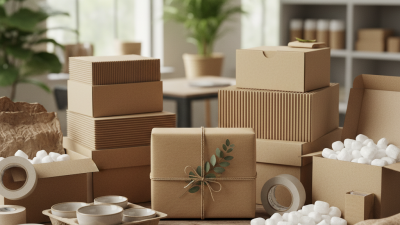
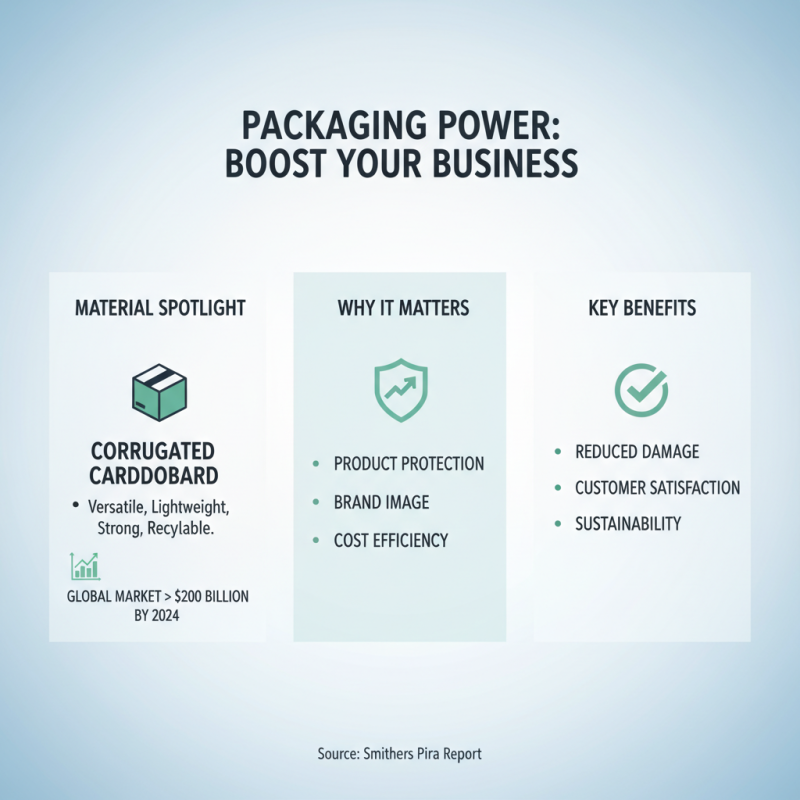
Choosing the right packaging materials can greatly influence a business's success. Each type offers distinct benefits that cater to different needs. For example, corrugated cardboard is versatile and lightweight. It's commonly used in shipping due to its strength and recyclability. According to a report by Smithers Pira, the global market for corrugated packaging is projected to reach over $200 billion by 2024, indicating its increasing popularity.
Plastic packaging is another option. It’s durable and often moisture-resistant. However, the environmental impact of plastics raises concerns. Companies face pressure to adopt sustainable alternatives. The demand for biodegradable materials has surged, with a Research and Markets report suggesting a growth rate of over 20% annually in this sector. Yet, the transition can be challenging. Many businesses struggle to find materials that are both effective and environmentally friendly.
Glass packaging is often viewed as premium. It is non-reactive and enhances product shelf life. However, it may not be cost-effective for all businesses. The weight of glass can increase shipping costs. Additionally, its fragility poses risks during transportation. Balancing cost, sustainability, and effectiveness is crucial. Companies must consider customer preferences and market trends while exploring the appropriate packaging solution for their products.
Evaluating Cost-Effectiveness and Sustainability in Packaging Choices
When choosing packaging solutions, cost-effectiveness and sustainability are key factors. Businesses often rush into decisions, only to feel regret later. A packaging option might seem cheap initially, but hidden costs add up quickly. For example, if the materials aren’t recyclable, disposal can become a significant expense. Consider how much waste your packaging generates.
Evaluate the materials used and their environmental impact. Biodegradable options may cost more upfront but save money in waste management. Companies may overlook the long-term benefits of sustainable choices. Asking suppliers about their sourcing practices could reveal valuable insights. Is the packaging made from recycled materials?
Sustainability shouldn’t sacrifice quality. Customers increasingly prefer brands that prioritize eco-friendly practices. Yet, some businesses hesitate, fearing higher costs. A well-thought-out investment can foster loyalty and positive brand reputation.
Balancing cost and sustainability is crucial. Reflect on your choices. Are they truly serving your business and the planet?
Analyzing Industry Trends and Innovations in Packaging Solutions
In the fast-evolving packaging industry, staying ahead of trends is crucial. A report by Smithers Pira indicates that the global packaging market is projected to reach $1 trillion by 2024. Sustainable packaging solutions are gaining traction, with eco-friendly materials being a significant focus. Businesses need to analyze how these trends can influence their operations.
Investing in innovative packaging technologies can offer competitive advantages. For example, smart packaging solutions, incorporating IoT elements, are on the rise. They enhance user experience and provide real-time data about product conditions. However, integrating these technologies demands careful consideration and often requires training.
Tips: Always evaluate your audience’s expectations. Understand their perception of sustainability. Test different materials and designs. Engage in pilot projects to gather feedback. Don't overlook the importance of cost efficiency. Balancing innovation with budget constraints is essential. Reflect on your packaging sources. Make choices that align with your values and customer needs. Adopting the right packaging strategy is an ongoing journey.