How to Choose Sustainable Flexible Packaging for Your Business Needs?
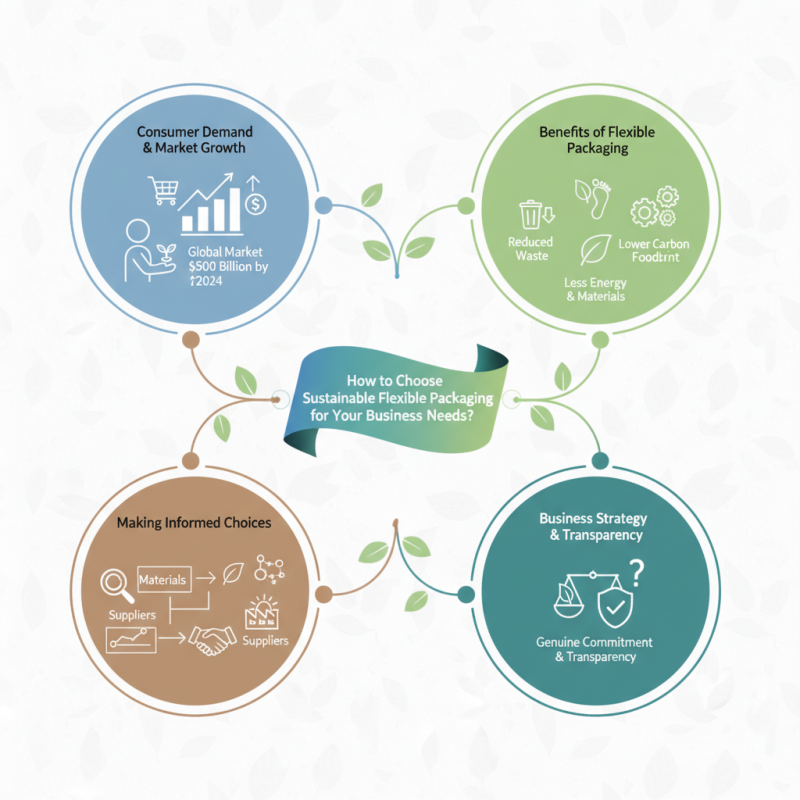
In today's rapidly evolving market, businesses face a crucial choice when it comes to packaging. The shift towards sustainable flexible packaging is not just a trend; it pivots on the growing consumer demand for eco-friendly options. According to a recent report by Smithers Pira, the global market for sustainable packaging is expected to reach $500 billion by 2024. This figure highlights a significant shift in consumer preferences and regulatory pressures.
Sustainable flexible packaging offers several benefits, from reduced waste to lower carbon footprints. Research shows that flexible packaging uses less energy and materials compared to rigid options. However, not all flexible packaging is created equal. Businesses must carefully evaluate their choices to ensure they align with sustainability goals. This requires an informed approach to selecting materials and suppliers.
As companies navigate this landscape, it's essential to reflect on their sustainability strategies. Are they truly minimizing environmental impacts? Or are they falling into greenwashing traps? Transparency in claims and genuine commitment to sustainability can set businesses apart in a competitive market. The importance of sustainable flexible packaging continues to grow, making it imperative for companies to prioritize this within their business strategies.
Understanding Sustainable Flexible Packaging Options
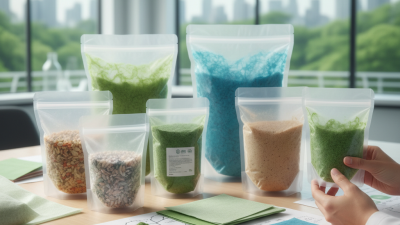
When evaluating sustainable flexible packaging options, it is vital to understand the materials involved. Many modern packaging solutions use biodegradable materials. These materials break down naturally, reducing landfill waste. Look for options made from recycled content. Recycled materials lessen the demand for new resources. They can also maintain product integrity, ensuring safety and sustainability.
Design plays a crucial role in sustainable packaging. It should minimize material use while maximizing functionality. Innovative designs may include easy-rip mechanisms or resealable features. These can improve the user experience. Consider if the packaging can be reused or repurposed. Substantial reductions in waste can occur through thoughtful design choices.
However, challenges remain. Some sustainable materials may be costlier than traditional options. Businesses must weigh the benefits against their budget. Not all consumers are aware of sustainable choices; education is essential. Clear labeling and messaging can help. Balancing costs, awareness, and environmental impact is an ongoing process. Remember, every small change contributes to larger sustainability goals.
How to Choose Sustainable Flexible Packaging for Your Business Needs
Key Factors to Consider in Sustainable Packaging Selection
When selecting sustainable flexible packaging, several key factors come into play. Firstly, material choice is crucial. Reports indicate that 43% of consumers are more likely to purchase products in sustainable packaging. Choosing materials that are recyclable or biodegradable can significantly enhance customer loyalty. For instance, bioplastics made from renewable resources are gaining traction in the industry, emphasizing a shift towards eco-friendly solutions.
Another important consideration is the carbon footprint of packaging production. According to the World Economic Forum, packaging accounts for approximately 30% of global plastic demand. Evaluating suppliers that utilize renewable energy in their manufacturing processes can mitigate environmental impacts. It is essential to consider end-of-life options too. Studies suggest that smart packaging can reduce waste significantly, inviting consumer engagement and encouraging recycling habits.
Balancing sustainability and functionality often poses challenges. Brands must ensure that their packaging not only minimizes environmental harm but also meets performance standards. Customers expect sturdy designs, which may sometimes conflict with sustainable choices. This hesitation requires careful reflection on priorities. Ultimately, understanding these dynamics helps businesses navigate the complex landscape of sustainable packaging.
Evaluating Environmental Impact and Material Efficiency
When selecting flexible packaging, understanding its environmental impact is crucial. Research shows that over 30% of global plastic waste comes from packaging. This staggering figure highlights the need for sustainable choices. A recent report found that only 9% of plastic is recycled effectively. The remaining 91% contributes to pollution and landfill overload. Choosing materials that minimize this waste is essential.
Material efficiency plays a significant role in sustainability. Lightweight packaging options can reduce transportation emissions. According to a study, lighter materials cut carbon footprints by up to 20%. Compostable materials also offer an alternative. They can break down naturally, reducing long-term environmental damage. Yet, these options sometimes require specific conditions to decompose properly. Evaluating whether these materials fit into your supply chain is vital.
Another key consideration is the lifecycle of packaging materials. A holistic analysis includes production, use, and disposal phases. Packaging with longer shelf lives can help reduce waste. However, ensuring that these materials do not harm ecosystems is equally important. Balancing efficiency with environmental integrity demands thoughtful choices.
How to Choose Sustainable Flexible Packaging for Your Business Needs?
| Material Type |
Recyclability |
Biodegradability |
Carbon Footprint (kg CO2e per kg) |
Water Usage (liters per kg) |
Source |
| Bioplastic |
Yes |
Yes |
1.5 |
70 |
Renewable Resources |
| Recycled Paper |
Yes |
No |
0.5 |
40 |
Recycled Material |
| Glass |
Yes |
Yes |
0.9 |
50 |
Natural Resources |
| Aluminum |
Yes |
No |
3.5 |
200 |
Mineral Resources |
| Compostable Film |
Yes |
Yes |
1.2 |
60 |
Organic Material |
Cost Analysis: Balancing Sustainability and Budget Constraints
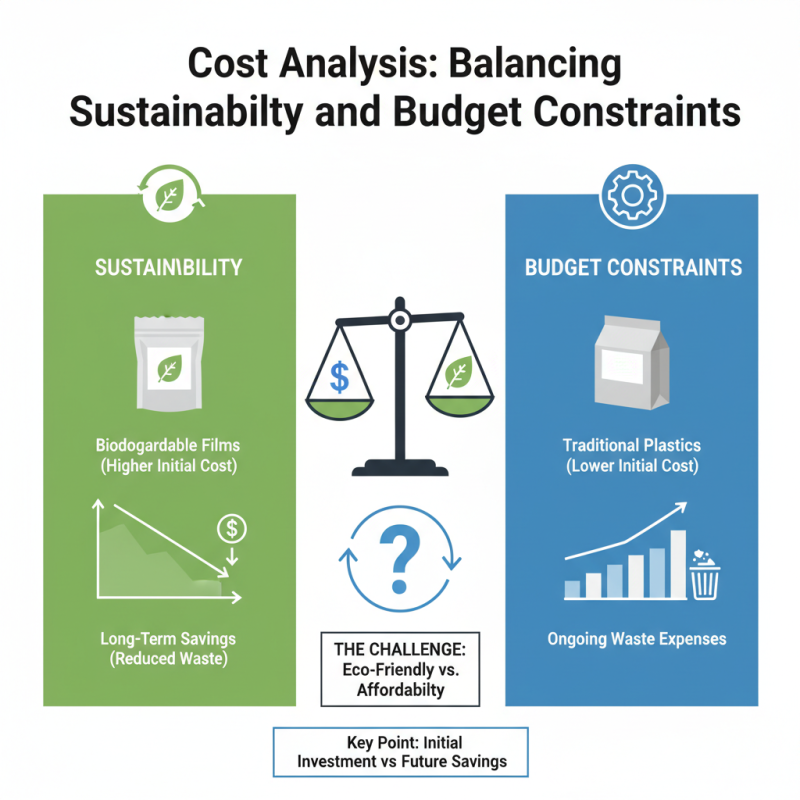
When evaluating sustainable flexible packaging, a cost analysis is crucial. Businesses often grapple with the tension between eco-friendliness and budget constraints. Pricing for materials can vary greatly. For example, biodegradable films tend to cost more than traditional plastics. Yet, the long-term savings from reduced waste may offset initial expenses.
Understanding the lifecycle of packaging can provide valuable insights. Sustainable options can reduce disposal costs and enhance brand reputation. A clear analysis of operational expenses allows businesses to see the bigger picture. However, the data can be overwhelming. Some companies hesitate, feeling unsure about the initial investment.
Consideration of consumer preferences is also essential. Many customers prioritize sustainability, potentially increasing demand. However, price sensitivity is a real barrier for some segments. Balancing these factors requires careful deliberation. In the end, finding the right sustainable packaging solution may not be straightforward. It's a journey filled with decisions that must be revisited regularly.
Innovative Trends in Sustainable Flexible Packaging Solutions
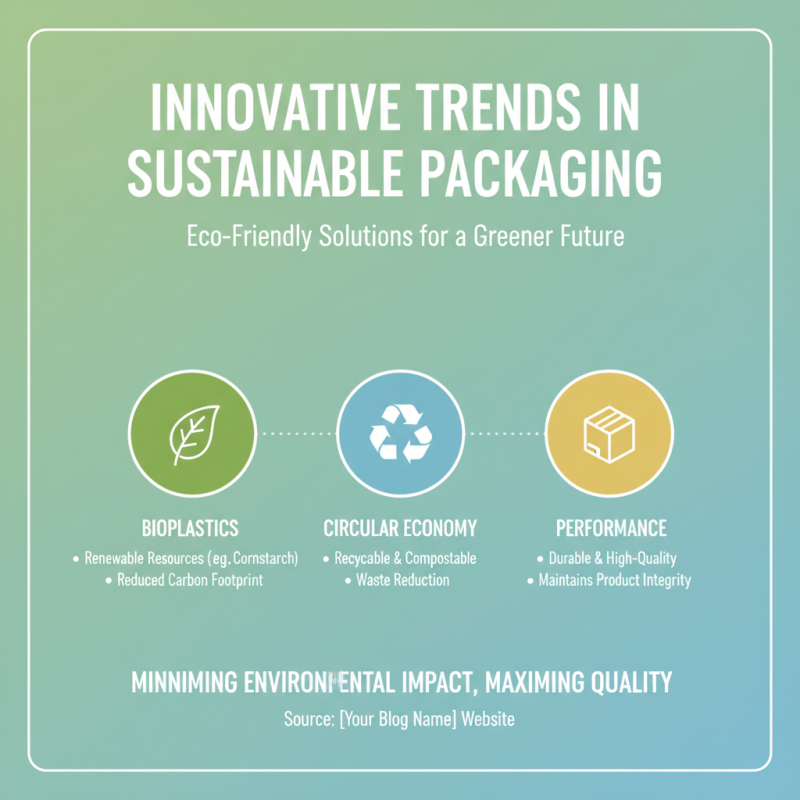
In recent years, sustainable flexible packaging has become a vital part of eco-friendly business practices. Companies are now seeking innovative materials that minimize environmental impact. Bioplastics, made from renewable resources like cornstarch, offer a promising alternative to traditional plastics. These materials can reduce carbon footprints while maintaining durability and quality.
Another trend is the rise of compostable packaging solutions. These options break down naturally in composting environments, unlike typical plastics that linger in landfills for decades. As consumers become more environmentally conscious, they gravitate toward brands that prioritize sustainability. Brands adopting sustainable packaging can enhance their reputation and appeal to a growing demographic.
However, navigating these options can be challenging. Many companies still struggle to find the right materials that balance cost, functionality, and environmental benefits. Sometimes, businesses rush into decisions without thorough research. It’s essential to evaluate various suppliers and materials. Transparency in sourcing and production processes is crucial. Engaging with experts can enhance understanding and alignment with business needs. Embracing a thoughtful approach can lead to more sustainable choices and strengthen brand integrity.