How to Choose the Right Packaging Materials for 2026?
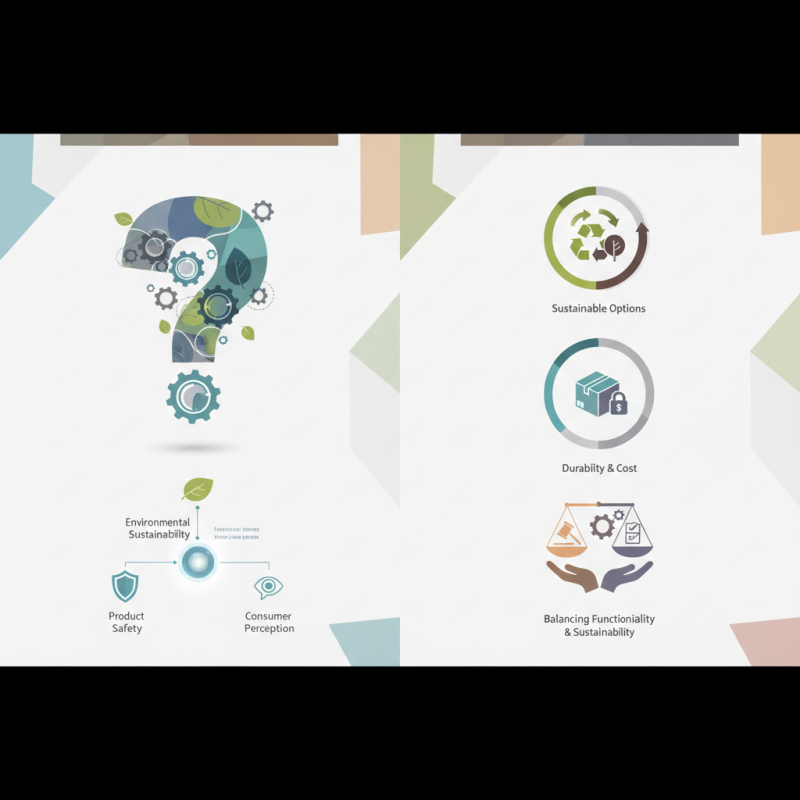
In 2026, selecting the right packaging materials is crucial for businesses. The choices you make will impact product safety, environmental sustainability, and consumer perception. Many companies overlook the importance of packaging. This can lead to costly mistakes and negative reviews.
As environmental concerns grow, the demand for eco-friendly packaging materials increases. Sustainable options can enhance brand reputation. They show commitment to responsible practices. However, not all eco-friendly materials are suitable for every product.
Understanding the specific needs of your product is vital. Factors like durability, cost, and regulatory compliance should guide your decisions. Balancing functionality with sustainability is challenging. Taking the time to evaluate your options can lead to better outcomes.
Understanding Current Trends in Sustainable Packaging Materials for 2026
In 2026, sustainable packaging materials will take center stage. The demand for eco-friendly options will shape industry practices. Consumers are increasingly discerning. They prefer products that minimize environmental impact. This trend compels brands to rethink their choices.
Tips: Use biodegradable materials. They break down naturally and reduce landfill waste. Look for recycled content in your packaging. This conserves resources and lowers carbon footprints. Consider reusable options to enhance sustainability.
Packaging will need to balance functionality and eco-friendliness. Materials should protect products while reducing harm to nature. However, this goal is not always easy to achieve. Some sustainable materials may not offer the same strength. This requires careful consideration of trade-offs.
Tips: Test various materials for durability. Perform analysis on recyclability and environmental impact. Engage with suppliers who prioritize sustainability. Collaborating with experts can guide you in making informed decisions. In this evolving landscape, staying adaptable is crucial.
Evaluating Cost-Effectiveness of Packaging Materials in the Supply Chain
Choosing the right packaging materials for 2026 involves careful consideration of cost-effectiveness. In the supply chain, materials impact budget and efficiency. Analyzing various options can uncover hidden costs. For instance, biodegradable materials may have higher upfront prices but lead to savings in waste management.
In many cases, businesses overlook the long-term benefits of sustainable packaging. While traditional materials might seem cheaper, they can incur significant disposal costs. Companies need to evaluate not just the purchase price but also shipping weight and perishability. Thinner materials often reduce transportation expenses but may compromise product protection.
Finding the right balance is challenging. Some packaging materials excel in sustainability but fail under stress tests. Others are durable but harmful to the environment. A thorough analysis of life cycle costs is essential. This helps in making informed choices that align with ethical practices and financial goals.
Assessing the Environmental Impact of Packaging Choices for 2026
In 2026, the choice of packaging materials carries significant environmental implications. As businesses seek to enhance their sustainability practices, evaluating these materials becomes crucial. Recyclable and biodegradable options are in high demand. Assess whether the materials reduce carbon footprint and whether they can be reused or repurposed.
Tips: Research local recycling programs. Ensure that your packaging aligns with their guidelines. This creates a closed-loop system, benefitting the environment.
Consider the life cycle of your packaging. Assess the resources needed for production, transportation, and disposal. Options like plant-based plastics can be more eco-friendly, but their sourcing must be verified.
Tips: Engage with suppliers who prioritize sustainable practices. Verify certifications to ensure reliability. Seek feedback from consumers on packaging choices. Their insights can guide improvements and reflect a commitment to environmental responsibility.
How to Choose the Right Packaging Materials for 2026? - Assessing the Environmental Impact of Packaging Choices for 2026
| Material Type |
Recyclability (%) |
Biodegradability (%) |
Carbon Footprint (kg CO2e per kg) |
Cost (USD per kg) |
| Plastic |
15% |
0% |
6.0 |
2.50 |
| Glass |
90% |
0% |
1.0 |
3.00 |
| Cardboard |
85% |
90% |
0.5 |
1.00 |
| Metal |
75% |
0% |
2.5 |
4.00 |
| Bioplastic |
60% |
80% |
3.0 |
3.50 |
Exploring Innovations in Biodegradable Packaging Solutions for the Future
As we look forward to 2026, biodegradable packaging solutions will take center stage.
Innovations in this field will play a crucial role in enhancing sustainability.
These materials can reduce our environmental footprint while offering protection for products. The shift from traditional plastics to bio-based packaging is gaining momentum.
When selecting biodegradable materials, consider the end-of-life scenario. Will the material degrade in a landfill, or can it be composted? It's essential to do your research.
Evaluating the biodegradability of materials using certifications can provide assurance.
Look for solutions that use renewable resources, like corn starch or sugarcane.
Engage with producers who prioritize eco-friendly practices.
Collaboration between brands and sustainable startups will foster innovation.
A balance between functionality and environmental impact is necessary.
Experiment with various options to find the best fit for your products.
Prioritizing biodegradable materials not only helps the planet but also appeals to environmentally conscious consumers.