How to Choose the Best Plastic Jar with Lid for Storage?
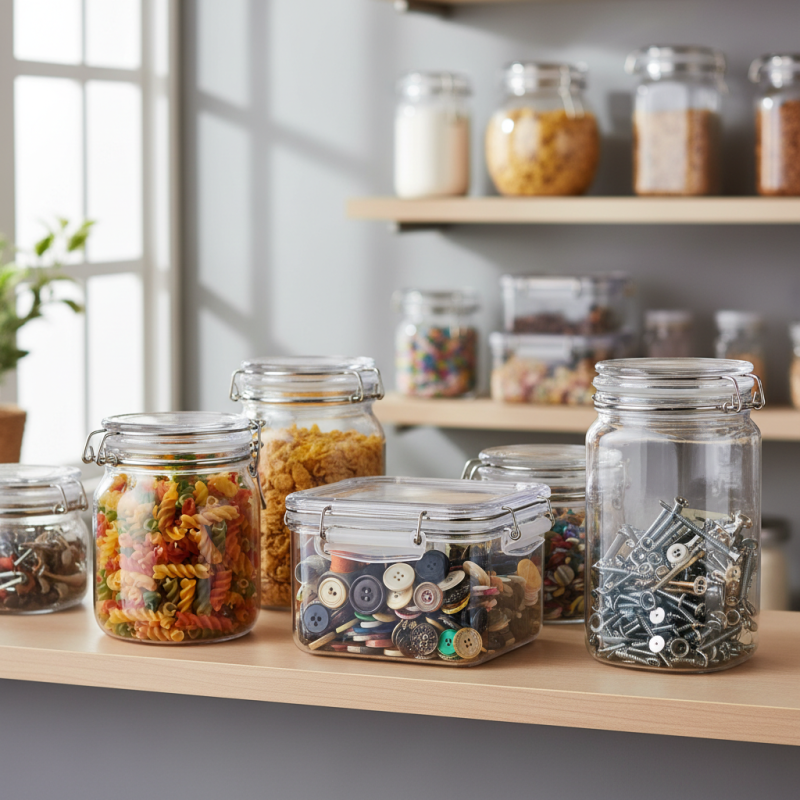
Choosing the right storage solution can be challenging. A Plastic Jar with Lid offers versatility and convenience. These jars come in various sizes and shapes, making them suitable for many purposes. Whether you need to store food items, craft supplies, or small tools, the right jar can make a difference.
When selecting a Plastic Jar with Lid, consider its capacity. A small jar may not hold enough, while a large one can take up unnecessary space. The material is also important. A durable plastic ensures longevity. However, not all plastics are created equal; some can warp or break easily. Additionally, think about the lid type. A screw-on lid provides a tight seal, while a flip-top lid allows quick access.
Imagining your ideal storage setup can help. Visualize how you will use the jars daily. Reflect on your past experiences with storage solutions. Have certain jars let you down? Embracing these details helps you choose wisely. Each decision shapes your storage system, highlighting the importance of making the right choice.
Understanding Different Types of Plastic Materials for Jars
When selecting a plastic jar with a lid, understanding the materials is essential. Many types of plastics exist, each with unique characteristics. Common options include PET, PP, and HDPE. PET is lightweight and clear, making it suitable for visibility. However, it may not be as sturdy as other options.
PP, or polypropylene, is more robust and resistant to heat. It is an excellent choice for storing food items. Yet, it might not have the same clarity as PET, which some users prefer.
HDPE is very durable but often opaque. It is ideal for heavy-duty storage, but it lacks the aesthetic appeal of clearer jars.
Choosing the right material can depend on your needs. Some people think durability is paramount. Others prioritize looks. Reflecting on the balance between these factors is crucial. Each material comes with its pros and cons, so consider your storage requirements carefully. Would you prefer a jar that looks great but might not last as long? Or a tough jar that isn’t see-through? Every choice tells a story of its own.
Key Factors to Consider When Choosing Plastic Jars with Lids
When selecting a plastic jar with a lid, several key factors come into play. First, consider the size of the jar. A jar too small may not hold enough items, while a jar too large could waste space. Think about what you plan to store. Snacks, craft supplies, or small tools? Each requires different dimensions.
The material of the jar is also crucial. Choose a BPA-free option for food storage. This ensures safety and peace of mind. Transparent jars allow you to see contents easily. Sometimes, opaque jars are better for light-sensitive items. Ensure the lid seals properly. A loose lid might not protect your items adequately.
Finally, evaluate the design and functionality. Is the jar easy to open? A well-designed jar enhances convenience. Pay attention to colors and shapes. They can brighten up any space while serving a purpose. Remember, the right jar can change your organization game. Embrace trial and error to find what truly works for you.
Industry Standards and Regulations for Food-Grade Plastic Storage
When selecting plastic jars with lids for food storage, it’s crucial to consider industry standards. The materials should be BPA-free and pass safety tests. Many manufacturers adhere to regulations defined by health authorities. These ensure the jars are safe for food contact. Checking for certifications can help you make informed choices.
Look for jars that have details on their packaging. Not all plastic is made equally. Different types serve various purposes. For instance, certain plastics can withstand heat. Others are better for cold storage. However, not all jars indicate specific uses. This may lead to improper storage and spoilage.
It’s easy to assume all plastic storage is uniform. Some jars may emit harmful substances when heated. Be cautious and do your research. If you're unsure, consulting experts may save you from costly mistakes. It’s essential to consciously select the right materials for safe food storage.
How to Choose the Best Plastic Jar with Lid for Storage? - Industry Standards and Regulations for Food-Grade Plastic Storage
| Feature | Description | Industry Standard |
| Material Type | Polyethylene Terephthalate (PET) - commonly used for food storage. | FDA Approved for food contact. |
| Lid Type | Screw-on lids are preferred for airtight storage. | Meets ASTM D1693 standards. |
| Temperature Resistance | Can withstand high and low temperatures for versatile use. | Complies with EU regulations for thermal stability. |
| BPA Free | Free from Bisphenol A to ensure safety and health standards. | Certified by relevant health organizations. |
| Recyclability | Designed for recycling to promote sustainability. | Meets ISO 14021 standards for recyclability. |
Comparative Analysis of Jar Sizes and Their Storage Capacities
When selecting a plastic jar with a lid, size matters. Different sizes cater to different storage needs. For small items, a jar with a capacity of one liter may suffice. It perfectly holds spices, buttons, or craft supplies. However, larger jars, around five liters or more, are ideal for bulk storage, like grains or pet food. Understanding the volume of your items can help avoid overpacking or underutilizing space.
Measuring the available space is another key point. A tall jar may seem like a good choice, but it might not fit in lower cabinets. Round jars can be easier to store, but they often waste corner space. Rectangular jars can stack neatly, maximizing storage efficiency. It's essential to visualize where your jars will go before purchasing. Some jars may also have narrow openings, making it difficult to retrieve contents, leading to frustration.
Reflection on storage habits is crucial. Are you prone to overstuffing? That's a common pitfall. Jars that are too big can encourage you to hold onto items longer than necessary. Aim for jars that fit your lifestyle and promote organization. Choose a few jars in varying sizes to accommodate different types of items. Balancing size and utility can lead to a more streamlined storage solution.
Comparative Analysis of Plastic Jar Sizes and Their Storage Capacities
Best Practices for Maintaining the Integrity of Plastic Storage Jars
When choosing plastic jars with lids for storage, ensuring their longevity is crucial. One key aspect is keeping them clean. Regularly wash jars with mild soap and warm water. Avoid harsh chemicals, as they can degrade plastic over time. Clean lids as well, since buildup can affect the seal.
Consider the temperature where jars will be stored. Extreme heat or cold can warp plastic. An ideal range is between 50 to 80 degrees Fahrenheit. This helps maintain the jar's structure. Store them in a cool, dry place.
Tips: Always inspect jars for cracks or wear. Small flaws can lead to leaks. Avoid overfilling them to prevent strain on the lid.
It’s also wise to check for proper sealing. A loose lid may allow air in, compromising contents. Remember to label jars clearly to prevent confusion. This simple practice can save time and hassle.