Why Choose a Vacuum Bowl Cutter for Your Culinary Needs?
In the ever-evolving culinary world, the demand for precision and quality is paramount. The vacuum bowl cutter emerges as a game-changing tool for professional kitchens. A 2022 market report indicated a 15% growth in sales for advanced food processors, reflecting a shift toward quality over quantity.
Chefs increasingly favor equipment that enhances flavor and maintains texture. The vacuum bowl cutter proves essential. It removes air during processing, which preserves color and flavor. According to industry experts, this method results in longer shelf life and reduces oxidation. Convenience and efficiency are critical, and this tool delivers both.
However, challenges remain. Some chefs find the learning curve steep. Mastering the vacuum bowl cutter requires time and experimentation. While many appreciate its benefits, a few still prefer traditional methods. These considerations highlight the importance of training. The right tool can improve culinary artistry. Yet, embracing change may take effort.
Understanding the Functionality of Vacuum Bowl Cutters
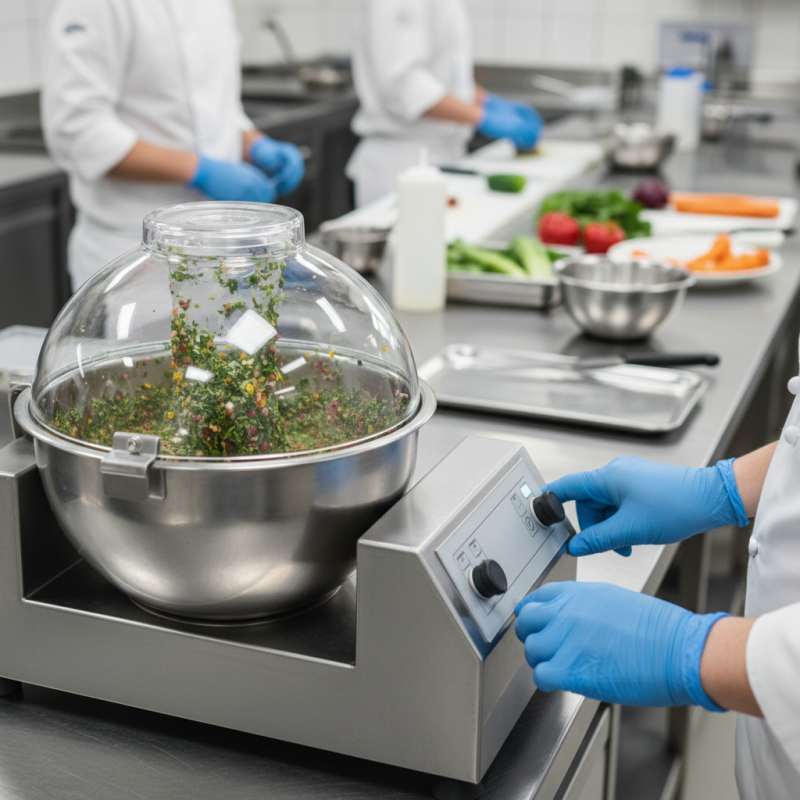
Vacuum bowl cutters are versatile tools in modern kitchens. They combine the functions of a mixer and a food processor. These devices are designed to create uniform mixtures quickly. The vacuum feature minimizes air exposure, preserving flavors. This is crucial when working with delicate ingredients like herbs or seafood.
The operation of a vacuum bowl cutter is interesting. It uses suction to remove air from the bowl during processing. This action helps maintain the freshness of the ingredients. Using a vacuum bowl cutter can enhance the texture of products. However, getting the right settings takes practice. Many users report over-processing their mixtures at first. Finding the ideal time and speed can be challenging.
The cleanup process can also be a bit cumbersome. Parts may need disassembly, and thorough washing is required. Make sure to follow the manufacturer’s guidelines for maintaining the machine. Each use should be an opportunity to learn and adjust techniques. Experimenting with different recipes can reveal unique results. It’s a tool that invites creativity but requires patience as well.
Benefits of Using Vacuum Technology in Food Processing
Vacuum bowl cutters are increasingly popular in culinary settings. They use vacuum technology to process food more effectively. This technology retains moisture and flavor in ingredients. According to industry reports, food processed in vacuum conditions has a 15% longer shelf life than traditional methods. This is crucial for today’s food industry, which prioritizes quality and longevity.
Tips: Always check for optimal pressure settings. Incorrect levels can impact food texture and quality.
Using vacuum technology also reduces oxidation. Ingredients maintain their vibrant colors, appealing aromas, and overall freshness. Reports suggest that vacuum-processed foods retain up to 90% of their natural antioxidants. This retention is essential for health-conscious consumers.
Tips: Monitor temperature closely while processing. High temperatures can compromise food integrity.
Moreover, vacuum bowl cutters enhance the overall texture of food. This leads to an improved dining experience. However, some chefs note that improper operation may lead to inconsistent mixtures. Regular training is helpful to ensure optimal results.
Comparing Vacuum Bowl Cutters to Traditional Food Preparation Tools
Vacuum bowl cutters offer several advantages over traditional food preparation tools. Unlike conventional mixers, these devices create a vacuum that minimizes air exposure. This helps preserve the color and freshness of your ingredients. Vegetables maintain their vibrant hues. Meats stay tender and juicy. This improvement can elevate the quality of your dishes.
The efficiency of vacuum bowl cutters is another key benefit. They often achieve finer cuts and quicker processing times. You can prepare sauces, marinades, or purees in a fraction of the time. However, not all recipes translate perfectly. Some may require adjustments in technique. It is crucial to experiment and understand each tool's nuances.
A downside is the initial learning curve. Novice users might struggle with settings and timings. There's a bit of a trial and error involved. Finding the right consistency can take time. But once mastered, the results can shine in your culinary creations. The process may seem complex at first, yet the rewards can be significant.
Comparison of Vacuum Bowl Cutters and Traditional Food Preparation Tools
Key Features to Look for in a Vacuum Bowl Cutter
When considering a vacuum bowl cutter, it's vital to evaluate its key features. These machines can significantly enhance culinary productivity. According to industry reports, the demand for such equipment has steadily increased by 15% annually. A well-designed vacuum bowl cutter minimizes air exposure, ensuring better ingredient preservation. This results in a fresher taste and texture in the final dishes.
One notable feature to look for is the cutter's capacity. A typical model can handle up to 20 liters, making it suitable for both small and large kitchens. Additionally, the cutting speed should be adjustable. Some users prefer slower speeds for delicate ingredients. Yet, others might need a faster option for bulk processing. It's important to reflect on your specific culinary needs here.
Another aspect to consider is the ease of cleaning. Many vacuum bowl cutters come with removable bowls. This feature simplifies maintenance but may not always guarantee thorough cleaning. Also, consider the noise level. Some high-capacity models can be quite loud, which could be disruptive in a busy kitchen. Balancing these features with your kitchen's workflow is essential for making a wise choice.
Applications of Vacuum Bowl Cutters in Culinary Arts
Vacuum bowl cutters are essential tools in modern kitchens. They offer applications that enhance culinary arts significantly. Chefs use them for various tasks such as mixing, grinding, and emulsifying. The vacuum environment helps preserve the color, flavor, and nutritional value of ingredients. According to recent industry reports, the use of vacuum technology can increase the shelf life of some products by up to 30%.
In pastry making, vacuum bowl cutters shine. They can blend doughs smoothly without introducing excess air, crucial for texture. This leads to consistent results, something every chef strives for. Notably, the cutters also minimize oxidation. This means the ingredients remain fresh longer. Utilizing these machines can reduce prep time by 40%, allowing chefs to focus on creativity while ensuring efficiency.
Tip: When using a vacuum bowl cutter, ensure all ingredients are at room temperature. This can enhance blending and emulsification. It's important to assess whether the machine's capacity is suitable for your batch sizes. Oversized loads can lead to uneven mixing. Vacuums can create a soothing sound, but don't ignore your instincts if something feels off. Always be prepared to troubleshoot.
Why Choose a Vacuum Bowl Cutter for Your Culinary Needs? - Applications of Vacuum Bowl Cutters in Culinary Arts
| Application | Advantages | Culinary Uses |
| Preparing Emulsions | Reduces air incorporation, resulting in smoother textures | Mayonnaise, dressings |
| Meat Processing | Enhances flavor infusion and moisture retention | Ground meats, sausages |
| Vegetable Purees | Preserves color and nutrients | Soups, sauces |
| Pasta and Dough Mixing | Improves consistency and gluten development | Dough for bread, pastry |
| Chocolate Processing | Reduces the risk of blooming and enhances texture | Ganaches, coatings |