What is the Best Flow Pack Packaging for 2026?
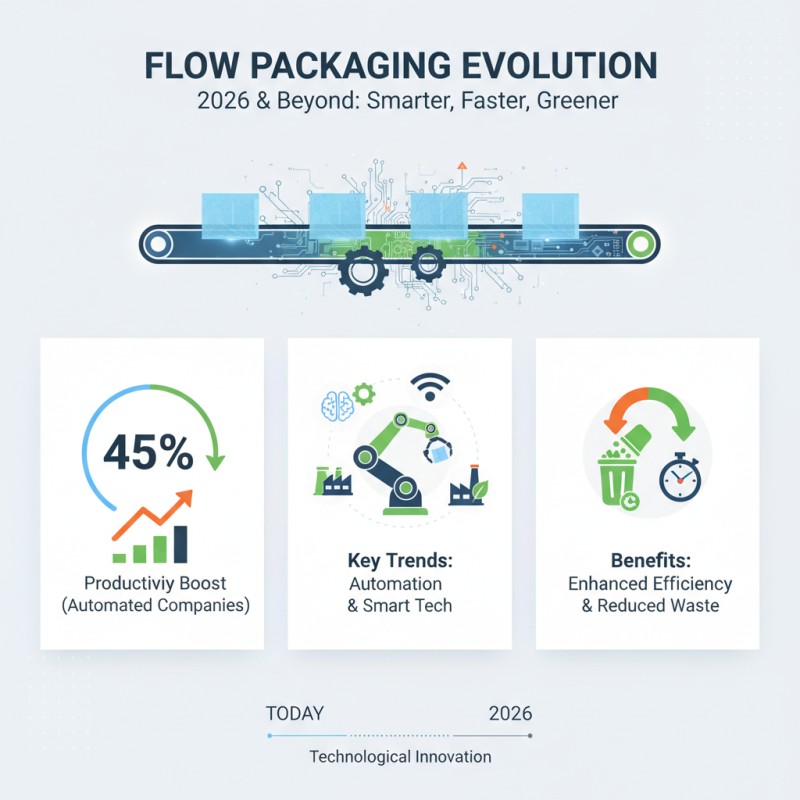
The world of packaging is evolving rapidly. Flow pack packaging is gaining popularity for its efficiency and versatility. According to recent industry reports, the flow pack market is projected to grow at a CAGR of 5.6% by 2026. This growth reflects the rising demand for quick and reliable packaging solutions in various sectors, notably food, pharmaceuticals, and consumer goods.
Technological advancements are reshaping flow pack solutions. Manufacturers are investing in smarter machinery and eco-friendly materials. These innovations aim to enhance product safety and reduce environmental footprints. However, some challenges persist. Many brands still struggle with waste management and recyclability, prompting a need for reflective practices in their packaging strategies.
As we approach 2026, the focus on flow pack packaging must also address sustainability. Brands must rethink their packaging choices. Consumers increasingly prefer eco-conscious options. Industry leaders must adapt to these changes, balancing efficiency and environmental responsibility. This challenge could define the future of flow pack packaging in the coming years.
What is Flow Pack Packaging and Its Benefits?
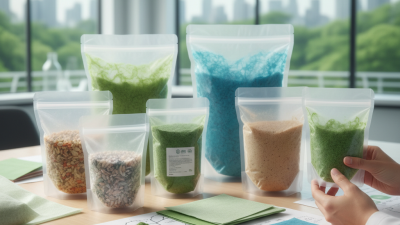
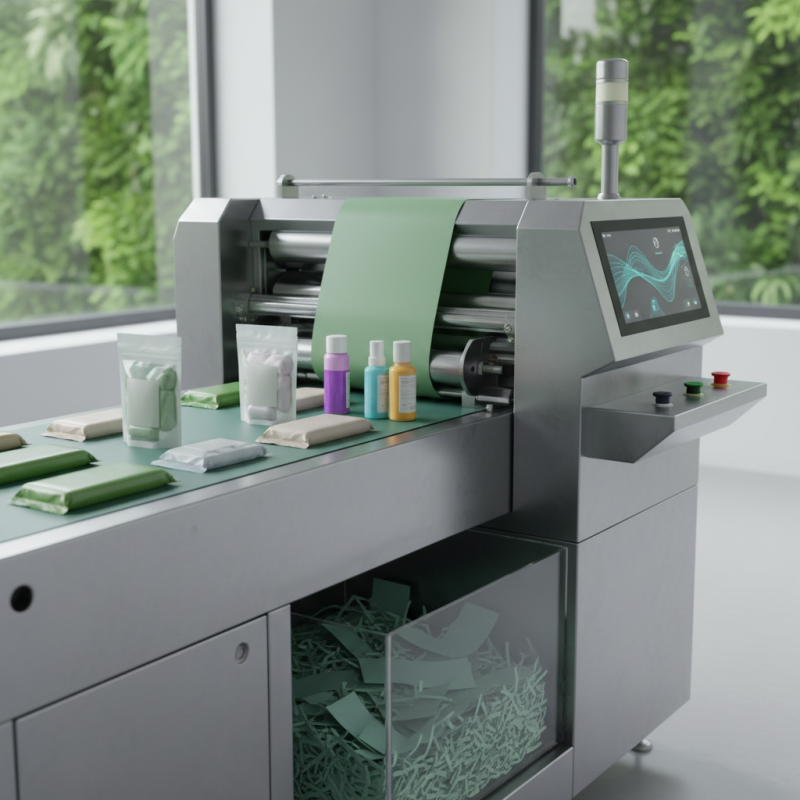
Flow pack packaging is a flexible solution that has gained popularity in various industries. This type of packaging involves wrapping products in a thin film, creating a sealed pouch. It is efficient and versatile, often used for snacks, confectionery, and even medical supplies. The process is quick, allowing for high-speed production. This characteristic is essential for companies aiming to meet consumer demands.
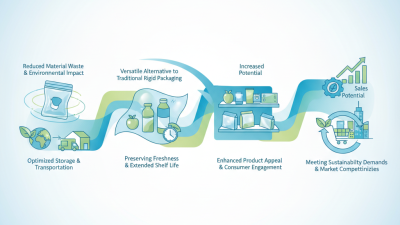
One significant benefit of flow pack packaging is its ability to preserve freshness. The airtight seal prevents moisture and oxygen from entering, extending the product's shelf life. Additionally, this type of packaging reduces waste. Unlike traditional packaging methods, flow wrap uses less material while still providing robust protection. However, challenges remain. Some materials may not be fully recyclable, raising concerns about sustainability. Manufacturers must continuously seek eco-friendly alternatives to address this issue.
Moreover, flow pack packaging enables attractive designs. Bright colors and clear windows can entice consumers. Yet, it's important to balance aesthetics with functionality. Sometimes, overly eye-catching designs can distract from critical information. Brands should aim for clarity while remaining visually appealing. Packaging is more than a cover; it is part of the consumer experience.
Emerging Trends in Flow Pack Packaging for 2026
Emerging trends in flow pack packaging are set to redefine the industry in 2026. Sustainability is at the forefront of these changes. Eco-friendly materials will replace traditional plastics. Companies are exploring biodegradable films that decompose after use. This reduces waste and addresses consumer concerns about pollution.
Additionally, technological advancements are influencing packaging designs. Smart packaging is gaining traction. Sensors embedded in the packaging can monitor freshness and quality. This innovation enhances the customer experience. However, it's important to balance tech integration with cost-effectiveness. Not every solution will be feasible for all businesses.
Flexibility in packaging sizes is another trend on the rise. Customization allows brands to cater to different market segments. However, manufacturers must avoid overproduction and wastage. The goal is to optimize resources while meeting diverse consumer needs. Maintaining efficiency can be challenging, but it is crucial for success in a competitive marketplace.
Materials Used in Modern Flow Pack Packaging Solutions
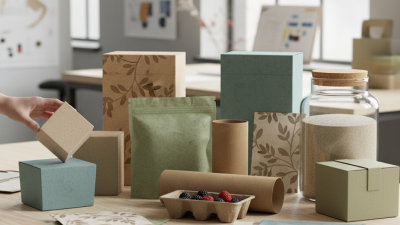
Modern flow pack packaging has evolved significantly, driven by advances in both materials and technology. Many companies are now leveraging eco-friendly films, which minimize environmental impact. These biodegradable options challenge traditional plastics, but they often struggle with durability. A balance between sustainability and functionality remains elusive.
Common materials used today include polypropylene and polyethylene. These materials offer clarity and strength while accommodating various product shapes. Some manufacturers are exploring innovative laminates that enhance barrier properties against moisture and oxygen. However, not all options are cost-effective. Companies must assess their budget constraints while keeping efficiency in mind.
Design is another critical factor. Packaging needs to be visually appealing yet practical. Consumers demand eye-catching designs, which can complicate the selection of materials. The complexity of integrating these various elements can lead to overlooked details that affect overall performance. Finding the right material requires ongoing experimentation to meet evolving consumer needs.
Sustainability Considerations for Future Flow Pack Packaging
As we look toward 2026, sustainability in flow pack packaging becomes critical. Data shows that packaging waste contributes significantly to environmental issues. The Ellen MacArthur Foundation reports that 80% of plastic waste comes from packaging. Addressing this should be a priority for the industry.
Biodegradable materials are gaining traction. Research indicates that over 54% of consumers prefer products with eco-friendly packaging. However, not every biodegradable option performs well in the supply chain. Many break down too quickly or not at all. This discrepancy requires careful consideration and innovation.
Recyclable options are essential but come with challenges. Current recycling rates for flexible packaging hover around 9%. The infrastructure for recycling these materials is limited. Without proper systems in place, efforts may fall short. This presents a clear area for growth and improvement. The industry must embrace technology to enhance recyclability, ensuring that it aligns with future sustainability goals.
What is the Best Flow Pack Packaging for 2026? - Sustainability Considerations for Future Flow Pack Packaging
| Material Type |
Biodegradable |
Recyclable |
Carbon Footprint (kg CO2e/m2) |
Renewability |
| PLA (Polylactic Acid) |
Yes |
Yes |
1.5 |
High |
| PBAT (Polybutylene Adipate Terephthalate) |
Yes |
Yes |
1.8 |
Medium |
| Recycled PET (rPET) |
No |
Yes |
2.3 |
Low |
| Compostable Film |
Yes |
No |
1.2 |
High |
| Biobased PE (Polyethylene) |
No |
Yes |
2.0 |
Medium |